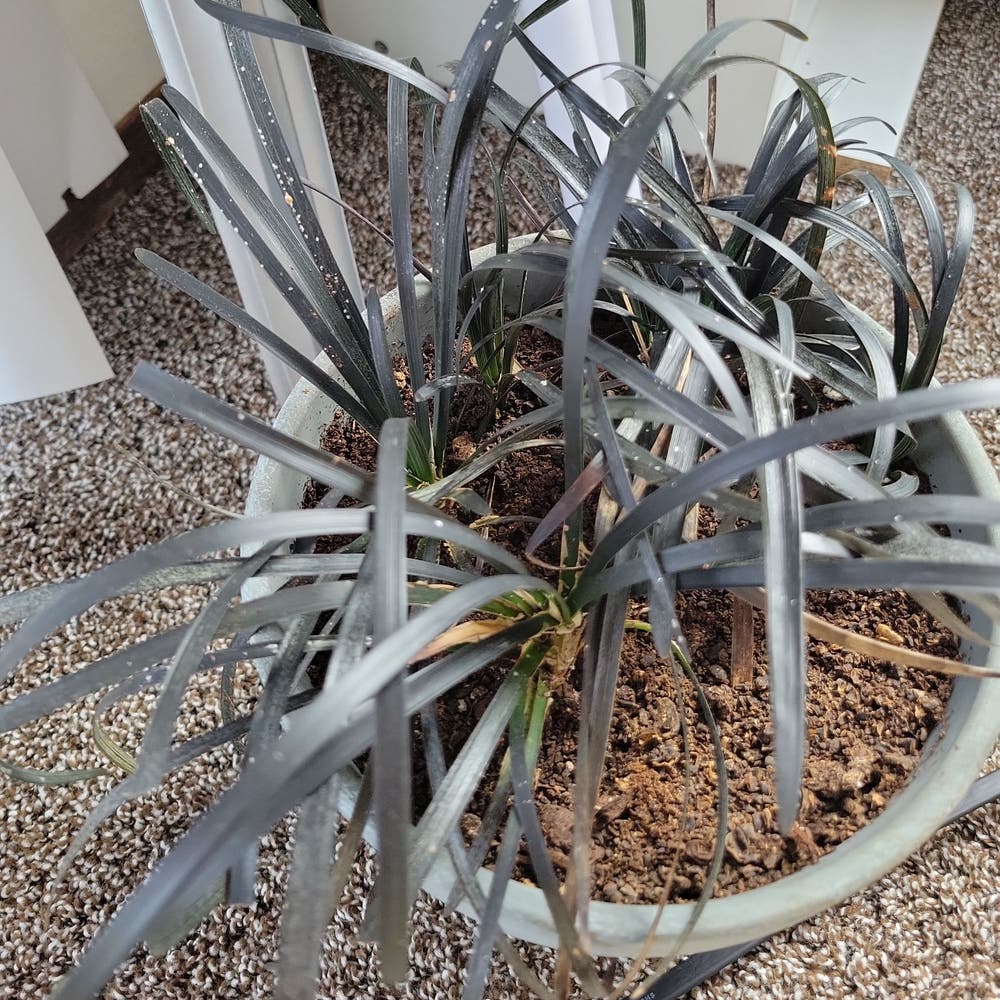
When and How to Repot Your Black Beard 🪴
Ophiopogon planiscapus 'Black Beard'
By the Greg Editorial Team
Nov 09, 2024•6 min read
This article was created with the help of AI so we can cover more plants for you. May contain errors. See one? Report it here.
Unlock your Black Beard's full potential 🌱 by mastering the signs it needs repotting for vibrant growth!
- 🌱 Repot your Black Beard when roots grow out of drainage holes or leaves yellow.
- 🏺 Choose a pot 1-2 inches larger for optimal growth and drainage.
- 🌞 Spring or early summer is the best time to repot for healthy growth.
Signs That Your Black Beard Needs Repotting
🌱 Recognizing Root Bound Conditions
Understanding when your Black Beard needs repotting is crucial for its health. A root-bound plant has roots that circle the pot, limiting their ability to absorb nutrients effectively.
Look for these signs of root-bound conditions:
- Roots growing out of drainage holes: This is a clear indication that your plant is cramped.
- Stunted growth or reduced vigor: If your Black Beard seems to be slowing down, it might be time for a new home.
- Soil drying out too quickly after watering: If the soil seems to dry up faster than usual, the roots may be taking up all the space.
🔍 Other Indicators
In addition to root-bound signs, keep an eye out for other indicators that your plant needs repotting.
- Yellowing or wilting leaves: Even with adequate watering, if the leaves are struggling, it’s a red flag.
- Increased frequency of watering needed: If you find yourself watering more often, your plant may be outgrowing its pot.
- Visible roots on the surface of the soil: This is another sign that your Black Beard is ready for a larger pot.
Recognizing these signs early can help you maintain a thriving Black Beard, ensuring it continues to flourish in your care. Next, let’s explore how to assess root health before taking the plunge into repotting.
How to Assess Root Health Before Repotting
Checking Root Condition 🌱
Before repotting your Black Beard, it's crucial to check the root condition. Start by gently removing the plant from its pot.
- Hold the base of the plant firmly and tap the pot to loosen the soil.
- Slide the plant out carefully to avoid damaging the roots.
Evaluating Root Health 🔍
Once the plant is out, take a close look at the roots. Healthy roots should be firm and exhibit a white or light tan color.
- If you notice dark, mushy roots, this indicates rot.
- Dry, brittle roots that break easily are also a sign of poor health.
What to Do with Unhealthy Roots ✂️
If you find unhealthy roots, don’t panic; there are steps you can take. Trim away any dead or rotting roots using sterilized scissors to prevent further issues.
- After trimming, consider treating any remaining roots with a fungicide if necessary. This will help protect your plant from future root problems.
By assessing root health before repotting, you set your Black Beard up for success. This careful evaluation ensures that your plant thrives in its new environment, leading to robust growth and vitality.
Next, let’s dive into the step-by-step guide for repotting your Black Beard effectively.
Step-by-Step Guide to Repotting Black Beard
Repotting your Black Beard can seem daunting, but with the right approach, it becomes a straightforward task. Here’s a simple guide to help you through the process.
🛠️ Materials Needed
Before you start, gather the following materials:
- New pot: Choose one that is 1-2 inches larger in diameter than the current pot.
- Well-draining potting soil mix: Opt for a mix designed specifically for succulents or cacti.
- Sterilized scissors or pruning shears: These will be essential for trimming any unhealthy roots.
🌱 Repotting Process
Follow these steps to ensure a successful repotting:
Prepare the new pot:
- Make sure it has drainage holes to prevent waterlogging.
- Add a layer of gravel or small stones at the bottom for extra drainage.
Fill the pot with potting soil:
- Use your succulent or cactus mix to fill the pot about halfway.
Position the plant:
- Carefully place the Black Beard in the center of the new pot.
- Fill in around the roots with soil, ensuring there are no air pockets.
Water lightly:
- Give the plant a gentle watering to help settle the soil, but avoid soaking it.
Allow the plant to acclimate:
- Move the repotted plant to a shaded area for a few days. This helps reduce stress as it adjusts to its new home.
Repotting can be a refreshing change for your Black Beard, promoting healthy growth and vitality. With these steps, you’ll ensure your plant thrives in its new environment.
Next, let’s explore the various pot material options to enhance your plant's growth even further.
Pot Material Options
Choosing the right pot material for your Black Beard is crucial for its health and growth. Let's explore the most common options: ceramic, plastic, and terracotta.
🌍 Overview of Different Pot Materials
- Ceramic
- Plastic
- Terracotta
⚖️ Pros and Cons of Each Material for Black Beard
Ceramic
Ceramic pots are visually appealing and provide good insulation for your plant. However, they can be heavy and may retain moisture, which could lead to overwatering issues.
Plastic
Plastic pots are lightweight and help retain moisture longer, making them convenient for busy plant owners. On the downside, they are less breathable, which can increase the risk of root rot.
Terracotta
Terracotta pots excel in drainage and are breathable, making them ideal for Black Beard. The trade-off is that they can dry out quickly, requiring more frequent watering.
🌱 Recommended Pot Materials for Optimal Growth
For the best results, opt for terracotta pots due to their superior drainage properties. It's wise to avoid non-breathable plastic pots if you want your Black Beard to thrive in the long run.
With the right pot material in hand, you're well on your way to ensuring your Black Beard flourishes. Next, let’s dive into common repotting mistakes to avoid for a smooth transition.
Common Repotting Mistakes
🚫 Mistakes to Avoid When Repotting Black Beard
Repotting your Black Beard can be a rewarding experience, but it’s easy to make mistakes. One common error is overwatering immediately after repotting, which can lead to root rot.
Another frequent misstep is choosing a pot that is too large. A pot that’s excessively big can hold too much moisture, making it hard for the roots to establish themselves.
🛡️ How to Prevent Transplant Shock
To minimize transplant shock, acclimatize your plant gradually to its new environment. Start by placing it in a shaded area for a few days to help it adjust.
Additionally, avoid disturbing the roots during the repotting process. This helps maintain their health and encourages a smoother transition.
⏰ Importance of Timing in the Repotting Process
Timing is crucial when repotting your Black Beard. The best time to repot is during spring or early summer, as this is when the plant is actively growing.
Avoid repotting during dormancy or extreme temperature changes. Doing so can stress the plant and hinder its recovery.
By keeping these tips in mind, you can ensure a successful repotting experience for your Black Beard. Next, let’s explore the best pot material options to enhance your plant’s growth.
⚠️ Safety First
This content is for general information and may contain errors, omissions, or outdated details. It is not medical, veterinary advice, or an endorsement of therapeutic claims.
Always consult a qualified healthcare professional before using any plant as food, medicine, or supplement.
Never eat any plant (or feed one to pets) without confirming its identity with at least two trusted sources.
If you suspect poisoning, call Poison Control (800) 222-1222, the Pet Poison Helpline (800) 213-6680, or your local emergency service immediately.
Spotted an error? Please report it here.
Repot your Black Beard like a pro 🌱 with Greg's tailored tips and reminders, ensuring your plant enjoys a thriving new home!