🏴☠️ 8 Tips for Propagating Your Black Beard
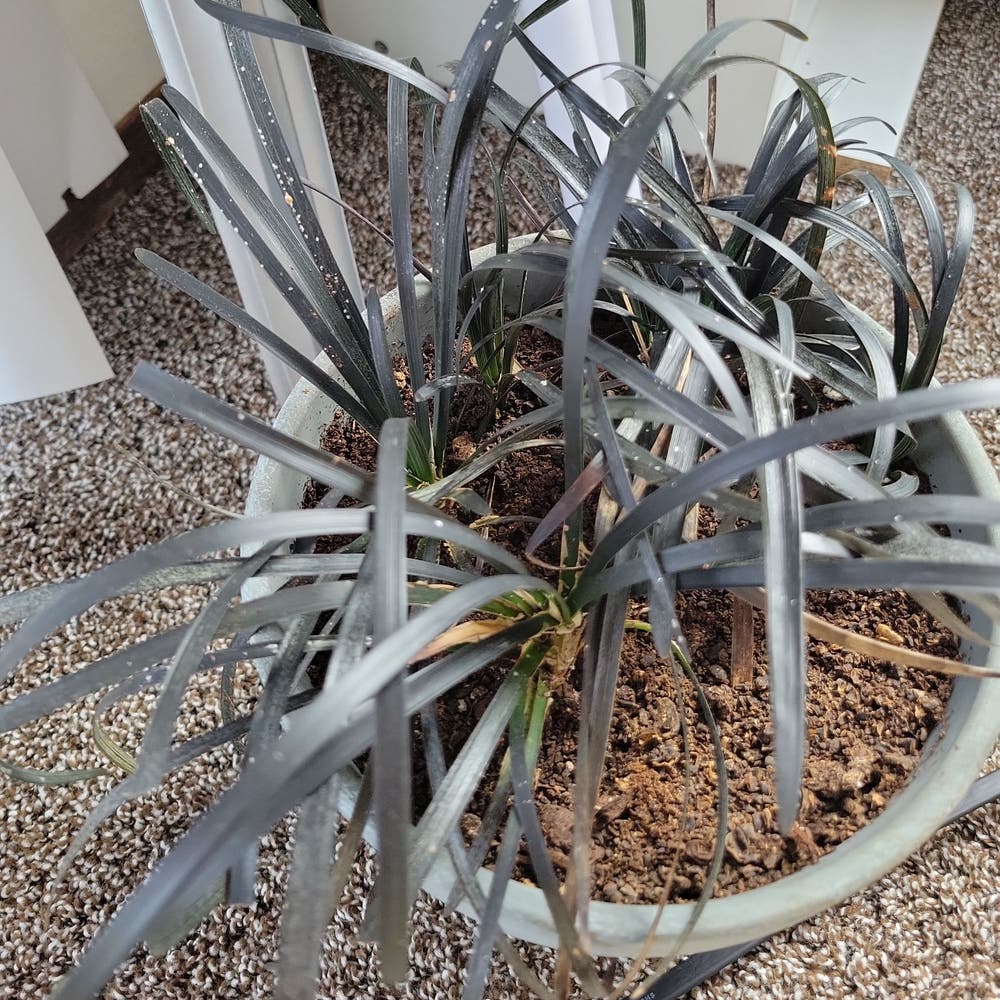
Ophiopogon planiscapus 'Black Beard'
By the Greg Editorial Team
Nov 09, 2024•3 min read
This article was created with the help of AI so we can cover more plants for you. May contain errors. See one? Report it here.
Unlock thriving Black Beard plants 🌱 with these simple propagation techniques for guaranteed success!
- ✂️ Propagate Black Beard plants using cuttings, seeds, or water for best results.
- 💡 Bright, indirect light and warm temperatures are crucial for successful rooting.
- 🌱 Monitor moisture and pests to prevent root rot and ensure healthy growth.
Propagation Techniques
🌱 Propagating from Cuttings
Step-by-step guide for taking cuttings
Taking cuttings is a straightforward way to propagate your Black Beard. Start by identifying healthy sections of the plant that are free from disease.
Next, use sterilized scissors to cut 4-6 inch sections. Each cutting should have a few healthy leaves to ensure successful rooting.
Ideal conditions for rooting cuttings
To promote optimal growth, provide bright, indirect light. This will help your cuttings thrive without the risk of scorching.
Maintain water temperature between 22°C to 28°C (72°F to 82°F) for best results. Additionally, always use dechlorinated water to prevent stress on your cuttings.
🌱 Propagating from Seeds
How to collect and prepare seeds
Timing is crucial when collecting seeds. Gather them when the algae begins to sporulate for the best quality.
To collect, gently shake the plant to release spores into a container. This method ensures you capture as many viable seeds as possible.
Germination process for seeds
Germinating seeds requires a bit more effort. Start by preparing a shallow container filled with nutrient-rich substrate.
Sprinkle the seeds evenly over the surface and mist lightly with water. Cover the container with a clear lid to maintain humidity, and place it in a warm, well-lit area. Monitor for germination, which typically takes 1-2 weeks.
💧 Water Propagation
Setting up a water propagation system
Water propagation is an exciting method to watch your plants grow. Use a clear glass or plastic container to easily monitor growth.
Fill the container with dechlorinated water and add an air stone for oxygenation. This setup helps create a healthy environment for root development.
Monitoring growth in water
Keep an eye on root development, looking for white, healthy roots within 2-4 weeks. Regularly change the water weekly to prevent stagnation and maintain quality.
🌿 Soil Propagation
Choosing the right soil mix
Selecting the right soil mix is essential for soil propagation. Use a well-draining aquarium substrate or a mix of potting soil and sand.
Ensure the soil is rich in nutrients to support growth. This will give your cuttings or seeds the best chance to thrive.
Planting and caring for soil-propagated plants
When planting, place cuttings or seeds at a depth of 1-2 inches. Water thoroughly and position them in a location with bright light.
Monitor moisture levels closely and avoid overwatering to prevent root rot. This careful attention will help your plants flourish.
⚠️ Common Challenges in Propagation
Pests and Diseases
Be vigilant about pests and diseases during propagation. Common issues include excessive dark growth and cloudiness in water, which can indicate problems.
To combat pests, regularly inspect and remove them by hand. You can also use diluted vinegar or saltwater sprays as natural deterrents.
Environmental Factors
Light and temperature play a significant role in successful propagation. Ensure your plants receive 10-12 hours of light daily and maintain stable water temperatures.
If natural light is insufficient, consider using grow lights. Additionally, monitor water parameters like pH and hardness to create the ideal environment for growth.
With these techniques and tips, you’ll be well on your way to successfully propagating your Black Beard plants!
⚠️ Safety First
This content is for general information and may contain errors, omissions, or outdated details. It is not medical, veterinary advice, or an endorsement of therapeutic claims.
Always consult a qualified healthcare professional before using any plant as food, medicine, or supplement.
Never eat any plant (or feed one to pets) without confirming its identity with at least two trusted sources.
If you suspect poisoning, call Poison Control (800) 222-1222, the Pet Poison Helpline (800) 213-6680, or your local emergency service immediately.
Spotted an error? Please report it here.
Propagating your Black Beard plants is thrilling 🌿 when you let Greg guide you with tailored reminders and tips to keep your cuttings healthy and thriving!