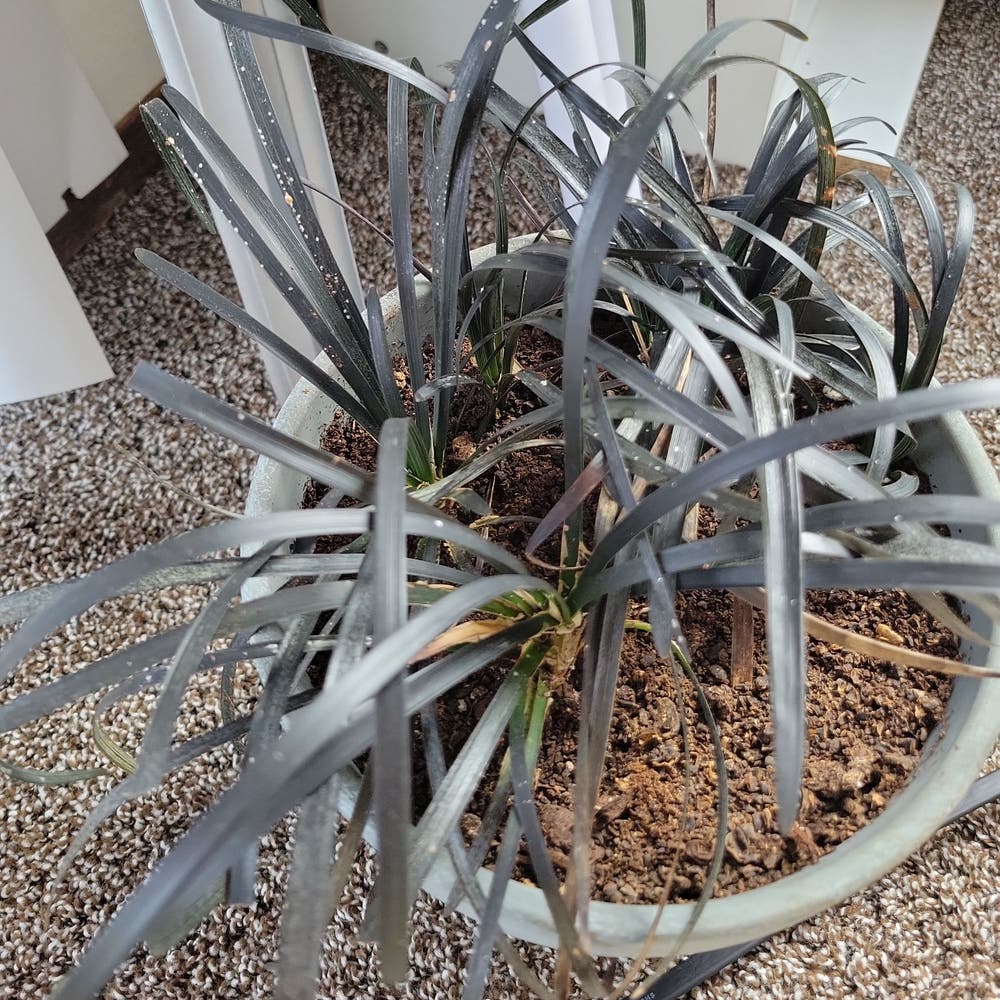
🏴☠️ Black Beard Is a Perennial
Ophiopogon planiscapus 'Black Beard'
By the Greg Editorial Team
Nov 09, 2024•5 min read
This article was created with the help of AI so we can cover more plants for you. May contain errors. See one? Report it here.
Unlock your garden's potential with Black Beard's resilient beauty and effortless perennial charm! 🌱
- 🌱 Black Beard is a resilient perennial, thriving for 5 to 10 years with proper care.
- 🌼 Seasonal cycles include spring emergence, summer growth, and fall dormancy for energy conservation.
- 🌞 Optimal growth requires well-draining soil and adequate sunlight for vibrant blooms and health.
Characteristics of Black Beard as a Perennial
🌱 Multi-Year Lifecycle
Black Beard is a remarkable perennial, thriving through a multi-year lifecycle that showcases its resilience. It begins with an initial growth phase, where it establishes robust root systems that anchor the plant and prepare it for future growth.
As it transitions into the mature phase, Black Beard reaches its full height and blooms, displaying vibrant flowers that attract pollinators. This phase is crucial for the plant's reproduction and overall health.
The regrowth phase is where Black Beard truly shines. Each season, it returns from its established roots, demonstrating an impressive ability to regenerate and flourish year after year.
📈 Growth Patterns and Regrowth from Roots
Understanding Black Beard's growth patterns reveals its adaptability. The plant follows distinct seasonal growth cycles: it emerges in spring, flourishes in summer, and prepares for dormancy in fall.
During the spring, new shoots break through the soil, signaling the start of a vibrant growth period. In summer, the plant reaches its peak, showcasing lush foliage and stunning flowers. As fall approaches, Black Beard begins to store nutrients in its roots, gearing up for the winter dormancy.
The regrowth mechanisms of Black Beard are fascinating. It utilizes its established root system to push out new growth each year, ensuring a strong comeback after the dormant months. This resilience is further enhanced by its ability to adapt to environmental changes, thanks to the strength of its roots.
In summary, Black Beard's lifecycle and growth patterns highlight its perennial nature. This adaptability not only makes it a favorite among gardeners but also a symbol of enduring beauty in any landscape. Next, we will explore the seasonal changes and dormancy periods that further define this remarkable plant.
Seasonal Changes and Dormancy in Black Beard
🌱 Description of Dormancy Periods
Dormancy in Black Beard typically occurs during the colder months. This phase is crucial for energy conservation, allowing the plant to survive harsh conditions while minimizing metabolic activity.
🌼 Seasonal Changes Throughout the Year
🌸 Spring: Emergence and Initial Growth
As temperatures rise, Black Beard bursts forth from dormancy. This season marks the beginning of its growth cycle, with fresh shoots emerging from established roots.
☀️ Summer: Peak Growth and Flowering Period
Summer is when Black Beard truly shines. The plant reaches its full height and showcases vibrant flowers, attracting pollinators and adding beauty to the garden.
🍂 Fall: Preparation for Dormancy
In the fall, Black Beard begins to prepare for dormancy. It focuses on nutrient storage in its roots, ensuring it has the resources needed to survive the winter.
❄️ Winter: Dormancy Phase
During winter, Black Beard enters a state of minimal activity. This dormancy phase is essential for its long-term health, allowing it to conserve energy until spring returns.
Understanding these seasonal changes helps gardeners appreciate the resilience of Black Beard. By recognizing its dormancy and growth cycles, you can better plan your garden for optimal beauty and health.
Advantages of Perennial Nature of Black Beard
🌱 Benefits for Gardeners
One of the standout advantages of Black Beard as a perennial is its reduced need for replanting. This characteristic makes it a long-term investment in your garden design, saving you both time and effort.
Additionally, Black Beard's established root systems enhance its resilience against drought and adverse conditions. These robust roots also improve nutrient uptake and stabilize the soil, contributing to a healthier garden ecosystem.
⏳ Expected Lifespan and Longevity Factors
Black Beard typically enjoys an average lifespan of 5 to 10 years, depending on the care it receives and the conditions in which it grows.
Several factors influence its longevity, including soil quality, climate conditions, and effective pest management. By paying attention to these elements, you can help ensure that your Black Beard thrives for years to come.
As you consider incorporating Black Beard into your garden, remember that its perennial nature not only simplifies maintenance but also enriches your landscape over time. This sets the stage for exploring how to maximize its benefits in your garden planning.
Variations Across Climate Zones
Differences in Perennial Behavior in Various Climates 🌍
Black Beard's growth and lifecycle are significantly influenced by climate zones. Temperature and precipitation play crucial roles in determining how this perennial plant thrives.
In warmer climates, Black Beard may experience longer growing seasons, allowing for more robust flowering and extended periods of active growth. Conversely, in cooler regions, the plant's lifecycle is compressed, leading to shorter flowering periods and earlier dormancy.
Impact of Growing Conditions on Black Beard's Lifecycle 🌱
Soil type and drainage are vital for Black Beard's health. Well-draining soil is essential for preventing root rot and ensuring that the plant can access necessary nutrients.
Sunlight exposure also impacts growth and flowering. Black Beard flourishes best in full sun, which promotes vigorous growth and vibrant blooms. In shaded areas, its growth may be stunted, leading to fewer flowers and weaker plants.
Understanding these variations can help gardeners tailor their care for Black Beard, ensuring it thrives in diverse environments. By considering local climate conditions and soil characteristics, you can maximize the benefits of this resilient perennial in your garden.
Maximizing Benefits in Garden Planning
Tips for Incorporating Black Beard into Garden Designs 🌱
When planning your garden, consider companion planting to enhance Black Beard's growth. Pair it with plants like lavender or echinacea, which can attract beneficial pollinators and improve overall garden health.
Placement is crucial for optimal growth. Ensure Black Beard receives plenty of sunlight and moisture by positioning it in a spot that avoids excessive shade and allows for good drainage.
Long-Term Cultivation Strategies for Black Beard 🌿
Regular maintenance is key to a thriving Black Beard. Monitor its growth patterns and seasonal changes to anticipate its needs and adjust care accordingly.
During dormancy, adapt your care routines. This means reducing watering and avoiding fertilization, allowing the plant to conserve energy and prepare for the next growth cycle.
By following these strategies, you can maximize the benefits of Black Beard in your garden, ensuring it remains a vibrant and resilient presence for years to come.
⚠️ Safety First
This content is for general information and may contain errors, omissions, or outdated details. It is not medical, veterinary advice, or an endorsement of therapeutic claims.
Always consult a qualified healthcare professional before using any plant as food, medicine, or supplement.
Never eat any plant (or feed one to pets) without confirming its identity with at least two trusted sources.
If you suspect poisoning, call Poison Control (800) 222-1222, the Pet Poison Helpline (800) 213-6680, or your local emergency service immediately.
Spotted an error? Please report it here.
Celebrate the resilience of Black Beard 🌼 by using Greg's tailored care reminders to ensure your perennial thrives beautifully through every season!