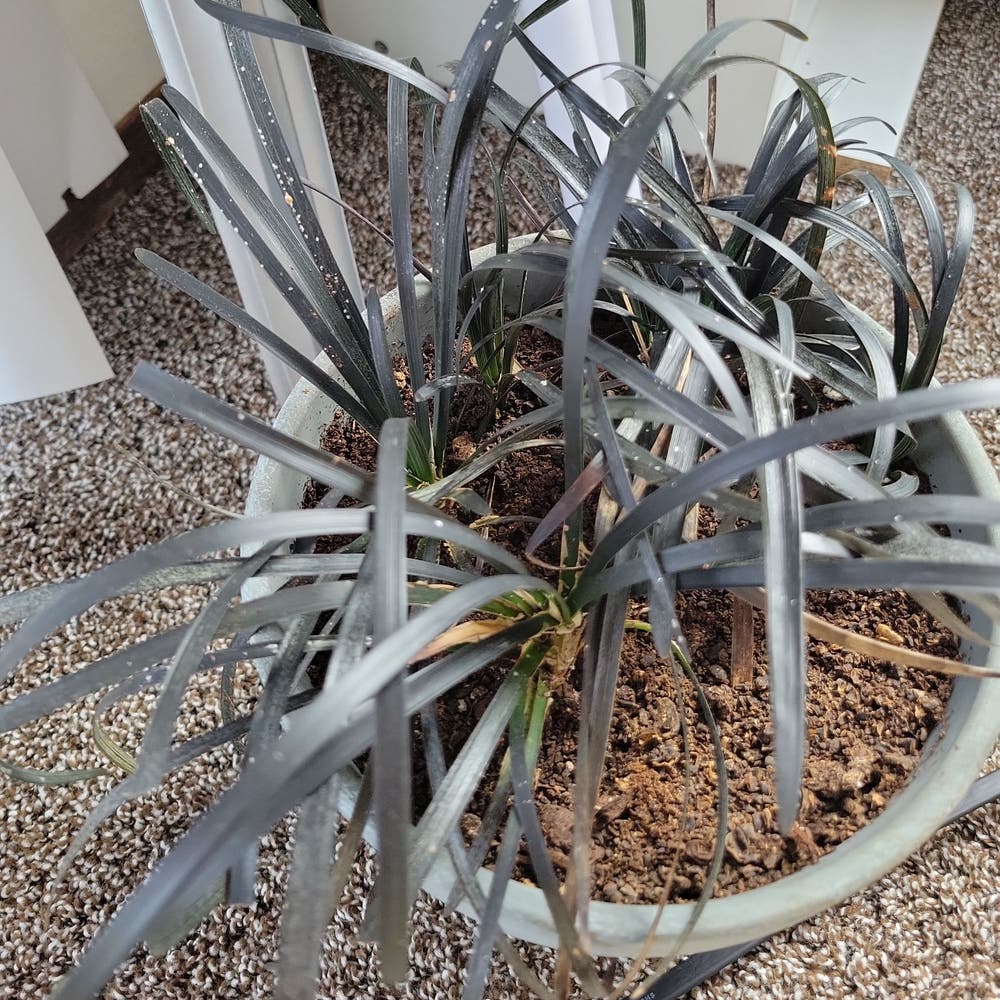
How to Cure Leaves Falling Over on Your Black Beard 🍂
Ophiopogon planiscapus 'Black Beard'
By the Greg Editorial Team
Nov 09, 2024•5 min read
This article was created with the help of AI so we can cover more plants for you. May contain errors. See one? Report it here.
Transform your drooping Black Beard plant 🌿 into a thriving beauty with these essential care tips!
- 💧 Overwatering causes drooping leaves; establish a consistent watering routine to prevent it.
- 🌱 Nutrient deficiencies lead to stunted growth; use aquatic fertilizers for balance.
- 💡 Adequate lighting is crucial; ensure 2-4 watts per gallon for optimal health.
Common Causes of Leaf Drooping
💧 Overwatering and Root Rot
Overwatering is a common culprit behind leaf drooping in Black Beard plants. Symptoms of root rot include soft, mushy roots and a foul odor, which can lead to yellowing leaves and eventual leaf drop.
To prevent root rot, ensure your substrate is well-draining. It's also crucial to establish a consistent watering routine, allowing the substrate to dry out slightly between waterings.
🌱 Nutrient Deficiencies
Nutrient deficiencies can significantly impact the health of your Black Beard. Key nutrients like nitrogen, phosphorus, potassium, and trace elements are essential for vibrant growth.
Signs of nutrient deficiency include yellowing leaves, stunted growth, and leaf drop. To restore nutrient balance, consider using fertilizers specifically designed for aquatic plants, applying them according to the recommended guidelines.
💡 Inadequate Lighting
Lighting plays a vital role in the overall health of your Black Beard. The optimal light levels range from low to moderate, approximately 2-4 watts per gallon.
If your plant is experiencing leaf drooping, slow growth, or pale coloration, it may not be receiving enough light. To improve light exposure, explore different types of lighting fixtures and adjust their placement to maximize effectiveness.
🚰 Water Quality Issues
Stable water conditions are crucial for the well-being of your Black Beard. Ideal parameters include a pH of 6.5-7.5, hardness between 3-8 dGH, and a temperature range of 22-28°C (72-82°F).
Common water quality problems, such as high ammonia or nitrate levels, can lead to plant stress. Regularly test your water quality using recommended kits to ensure your aquatic environment remains healthy.
🌡️ Temperature Fluctuations
Temperature consistency is key to preventing stress in your Black Beard. Aim to maintain a stable temperature within the ideal range to avoid leaf drooping and discoloration.
If you notice symptoms of temperature stress, consider using an aquarium heater. Proper placement of the heater can help maintain a stable environment for your plants.
Understanding these common causes of leaf drooping is essential for maintaining a healthy Black Beard. By addressing these issues, you can ensure your plant thrives and flourishes in its aquatic home.
Diagnosing Leaf Issues
🧐 Identifying Symptoms of Stress
When your Black Beard starts showing signs of stress, it's crucial to act quickly. Look for visual indicators like leaf color changes, wilting, and drooping, which signal that something isn't right.
Early detection is key to preventing further damage. The sooner you identify these symptoms, the easier it will be to address the underlying issues.
💧 Assessing Water Quality Parameters
Water quality plays a vital role in plant health. Key parameters to monitor include pH, ammonia, nitrite, nitrate, and hardness.
Testing these factors regularly helps maintain a stable environment. Aim to check your water quality at least once a week to catch any fluctuations early.
💡 Evaluating Light Conditions
Light is essential for your Black Beard's growth. Assessing light intensity and duration can help you determine if your plant is getting enough energy.
Using a light meter provides accurate readings. Adjust light exposure based on your plant's response to ensure optimal growth.
🐛 Checking for Pests or Diseases
Pests can wreak havoc on your aquatic plants. Common culprits include snails, algae, and other aquatic pests that can compromise your Black Beard's health.
Look for symptoms of pest infestation, such as holes in leaves, visible pests, and slime growth. If you spot these issues, consider treatment options like natural predators or targeted pest control methods to restore balance in your aquarium.
By diagnosing these leaf issues effectively, you can take the necessary steps to revive your Black Beard and keep it thriving. Next, we’ll explore treatment and prevention strategies to ensure your plant remains healthy and vibrant.
Treatment and Prevention Strategies
🌊 Adjusting Watering Practices
To keep your Black Beard healthy, it's crucial to establish best practices for watering. Aim for a consistent schedule, ensuring you change a portion of the water regularly to maintain freshness.
Watch for signs of overwatering, such as soft, mushy roots or yellowing leaves. These indicators can signal that your plant is drowning, so adjust your watering habits accordingly.
🌱 Improving Nutrient Balance
Nutrient balance is key to vibrant plant health. Consider using fertilizers specifically designed for aquatic plants, which come in both liquid and substrate forms.
For optimal results, apply fertilizers every few weeks, following the dosage guidelines on the product label. This will help prevent deficiencies that can lead to drooping leaves.
💡 Optimizing Light Exposure
Light plays a vital role in plant vitality. Adjust the duration and intensity of light exposure to suit your Black Beard's needs, aiming for around 10-12 hours of light daily.
Choose lighting fixtures that provide the right spectrum for aquatic plants. LED lights are often a great choice, as they are energy-efficient and effective.
💧 Enhancing Water Quality
Maintaining water quality is essential for preventing stress in your plants. Regular filtration and aeration help keep the water clean and oxygenated.
Establish a water change schedule, ideally changing 10-20% of the water weekly. This practice will help maintain stable conditions and promote healthy growth.
🌡️ Managing Temperature and Humidity
Temperature stability is crucial for your Black Beard's well-being. Use heaters and thermometers to keep the water temperature within the ideal range of 22-28°C (72-82°F).
Don't overlook humidity levels, especially in paludariums. Maintaining appropriate humidity can significantly impact plant health and prevent leaf drooping.
By implementing these treatment and prevention strategies, you can ensure your Black Beard thrives and remains a stunning addition to your aquatic setup. Next, let's dive into diagnosing leaf issues to further enhance your plant care skills.
⚠️ Safety First
This content is for general information and may contain errors, omissions, or outdated details. It is not medical, veterinary advice, or an endorsement of therapeutic claims.
Always consult a qualified healthcare professional before using any plant as food, medicine, or supplement.
Never eat any plant (or feed one to pets) without confirming its identity with at least two trusted sources.
If you suspect poisoning, call Poison Control (800) 222-1222, the Pet Poison Helpline (800) 213-6680, or your local emergency service immediately.
Spotted an error? Please report it here.
Keep your Black Beard vibrant and healthy 🌿 by using Greg's tailored care reminders to master watering, lighting, and nutrients for a thriving aquatic plant!