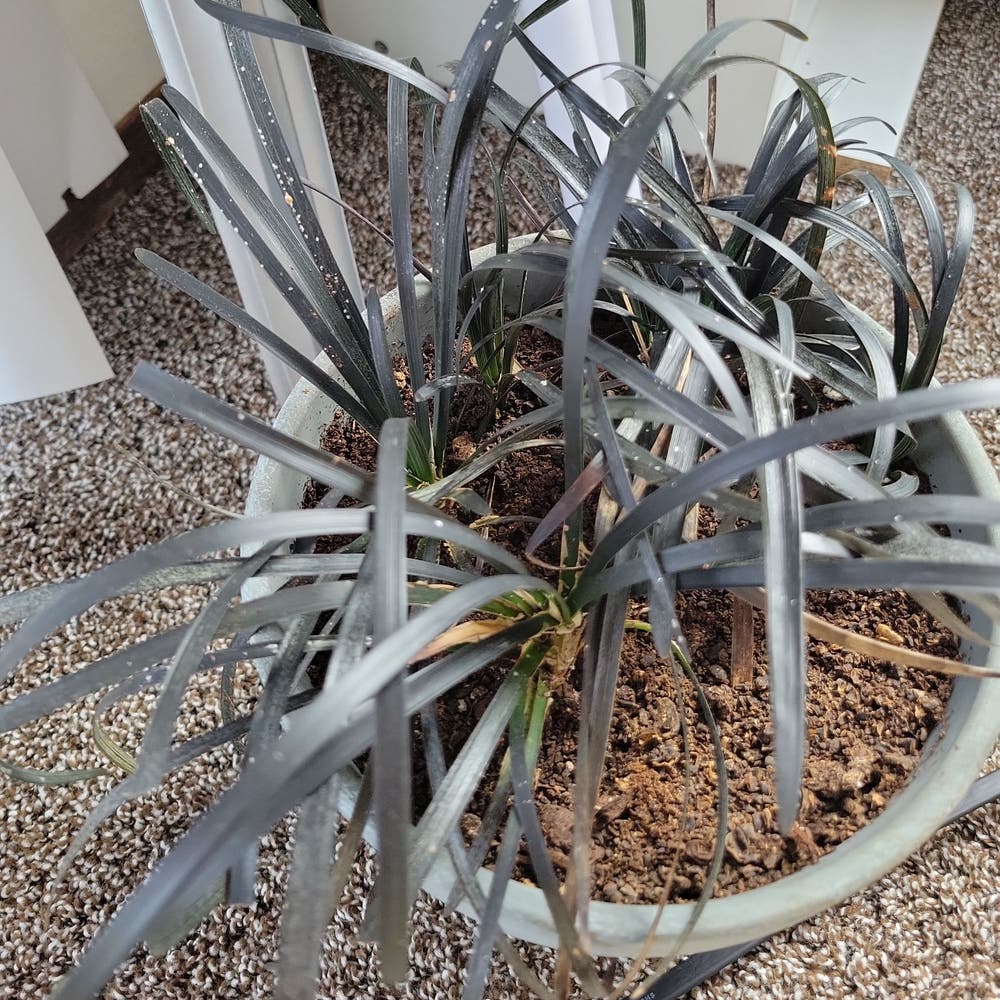
🏴☠️ 5 Secrets to Thriving Outdoor Black Beard
Ophiopogon planiscapus 'Black Beard'
By the Greg Editorial Team
Nov 09, 2024•6 min read
This article was created with the help of AI so we can cover more plants for you. May contain errors. See one? Report it here.
Unlock the secret to a thriving Black Beard plant with essential care tips for sunlight and watering! 🌱
- 🌞 Black Beard thrives in bright, indirect light; aim for 6-8 hours daily.
- 💧 Consistent moisture is key; water every 1-2 weeks based on conditions.
- 🐞 Watch for pests and diseases; early detection ensures a thriving plant.
Sunlight Needs
Ideal Sunlight Exposure 🌞
When it comes to sunlight, the Black Beard plant is quite adaptable. It thrives in both full sun and partial shade, but it truly prefers bright, indirect light for optimal growth.
For the best results, aim for 6-8 hours of indirect sunlight each day. This duration helps the plant flourish, ensuring vibrant foliage and robust growth.
Effects of Insufficient Light 🚫
If your Black Beard isn't getting enough light, you'll notice some telltale signs. Symptoms include stunted growth, a leggy appearance, and faded foliage that lacks vibrancy.
To remedy this, gradually acclimate your plant to brighter conditions. This slow adjustment helps prevent shock and encourages healthier growth.
With the right sunlight exposure, your Black Beard will thrive, setting the stage for a flourishing garden. Next, let’s dive into the watering requirements to keep your plant hydrated and happy.
Watering Requirements
🌧️ General Watering Guidelines
To keep your Black Beard thriving, maintaining proper soil moisture is crucial. Aim for consistently moist soil, but be careful not to let it become waterlogged.
For optimal growth, water your plant every 1-2 weeks. Adjust this frequency based on weather conditions and the type of soil you’re using.
🚿 Signs of Overwatering and Underwatering
Recognizing the signs of overwatering is essential. If you notice yellowing leaves, root rot, or wilting, it’s time to reassess your watering routine.
On the flip side, underwatering can also cause distress. Look for crispy leaf edges, drooping leaves, and dry soil as indicators that your plant needs a drink.
Understanding these watering requirements will help you nurture your Black Beard effectively. With the right care, your plant will flourish and bring vibrant life to your space.
Next, let’s explore the ideal soil preferences for your Black Beard to ensure it has the best foundation for growth.
Soil Preferences
Ideal Soil Composition 🌱
For your Black Beard plant to thrive, it needs well-draining soil. A mix of potting soil, perlite, and compost creates the perfect environment, ensuring that excess water drains away while retaining enough moisture for growth.
The soil pH is also crucial. Aim for a slightly acidic to neutral range, specifically between pH 6.0 and 7.0, to optimize nutrient uptake. This balance allows your plant to absorb essential minerals effectively.
Soil Amendments 🧑🌾
To boost soil fertility, incorporate organic matter like compost or aged manure. These amendments enrich the soil, providing vital nutrients that support healthy growth.
If your soil tends to retain too much moisture, consider adding perlite or sand. These materials enhance drainage, preventing root rot and ensuring your Black Beard has the best chance to flourish.
By focusing on the right soil composition and amendments, you set the stage for a vibrant and healthy plant. Next, let’s explore the various planting options to maximize your Black Beard’s potential.
Planting Options
🌱 Container vs. Ground Planting
When deciding where to plant your Black Beard, consider the pros and cons of container versus ground planting. Each method has unique benefits that can influence your plant's growth and care.
🪴 Benefits of Container Planting
Container planting offers remarkable mobility. You can easily reposition your plants to capture optimal sunlight or shield them from harsh weather.
Additionally, it provides a controlled environment. You have better oversight of soil quality and drainage, which can lead to healthier plants.
⚠️ Drawbacks of Container Planting
However, container planting comes with its challenges. One major drawback is limited root space, which can restrict growth and nutrient uptake.
Moreover, containers tend to have increased watering needs. They dry out faster than garden beds, requiring more frequent attention.
🌍 Benefits of Ground Planting
On the other hand, ground planting allows for enhanced growth potential. With more space for roots to expand, your Black Beard can thrive.
Ground soil also offers natural moisture retention. It generally retains moisture better than containers, reducing the frequency of watering.
🐛 Drawbacks of Ground Planting
Yet, ground planting isn't without its downsides. You have less control over soil conditions, as soil quality can vary significantly.
Additionally, plants in the ground are more vulnerable to pests and diseases. They face greater exposure to outdoor threats, which can impact their health.
Understanding these planting options will help you make an informed decision for your Black Beard. Next, let's explore effective protection strategies to keep your plant thriving.
Protection Strategies
🌧️ Weather Protection Techniques
Protecting your Black Beard from extreme weather is crucial for its health. During cold snaps, use row covers or blankets to shield your plants from frost.
In contrast, when temperatures soar, providing shade cloth can prevent leaf scorch. This simple step can make a significant difference in maintaining vibrant foliage.
🐞 Outdoor Pests and Prevention
Identifying Outdoor Pests
Outdoor pests can wreak havoc on your Black Beard. Common culprits include aphids, spider mites, and whiteflies, which can quickly turn a thriving plant into a struggling one.
Look for signs of infestation such as discoloration, webbing, and sticky residue on leaves. Early detection is key to effective management.
Prevention Strategies
To keep pests at bay, consider introducing beneficial insects like ladybugs. These natural predators can help control pest populations without the need for harsh chemicals.
Regular inspections are also essential. Checking your plants weekly for early signs of pests can save you a lot of trouble down the line.
🦠 Disease Management
Diseases can pose a serious threat to your Black Beard, with root rot and leaf spot being the most common. These issues often arise from improper watering or poor air circulation.
To prevent diseases, ensure you follow proper watering practices and maintain good airflow around your plants. A little attention can go a long way in keeping your Black Beard healthy and thriving.
With these protection strategies in place, your Black Beard will be well-equipped to handle the challenges of outdoor living. Next, let’s explore the seasonal care tips that will help you nurture your plant throughout the year.
Seasonal Care
Spring Care Tips 🌱
Spring is the perfect time to rejuvenate your Black Beard plants. Start by pruning away any dead or damaged leaves to encourage fresh growth.
Fertilization is also key during this season. As temperatures rise, initiate your fertilization schedule to give your plants the nutrients they need to thrive.
Summer Considerations ☀️
As summer heats up, your watering routine will need to adjust. Keep a close eye on soil moisture, ensuring it remains consistently moist to support healthy growth.
Pest vigilance is crucial during these warm months. Regularly inspect your plants for pests, as they tend to thrive in the summer heat.
Fall Preparation 🍂
As the temperatures begin to cool, it's time to prepare your plants for the changing season. Gradually reduce watering to help acclimate your Black Beard to the cooler weather.
Mulching is another effective strategy. Apply a layer of mulch around the base of your plants to insulate their roots and retain moisture.
Winter Protection ❄️
When frost is on the horizon, consider transitioning your container plants indoors. This will protect them from the harsh winter elements.
For those planted in the ground, use protective measures like frost cloths. This simple step can safeguard your Black Beard from cold damage in frigid climates.
With these seasonal care tips, your Black Beard will not only survive but thrive throughout the year. Next, let’s explore effective protection strategies to keep your plants safe from weather extremes and pests.
⚠️ Safety First
This content is for general information and may contain errors, omissions, or outdated details. It is not medical, veterinary advice, or an endorsement of therapeutic claims.
Always consult a qualified healthcare professional before using any plant as food, medicine, or supplement.
Never eat any plant (or feed one to pets) without confirming its identity with at least two trusted sources.
If you suspect poisoning, call Poison Control (800) 222-1222, the Pet Poison Helpline (800) 213-6680, or your local emergency service immediately.
Spotted an error? Please report it here.
Keep your Black Beard plant thriving outdoors 🌞 with Greg's personalized care reminders for sunlight, watering, and pest management tailored just for you!