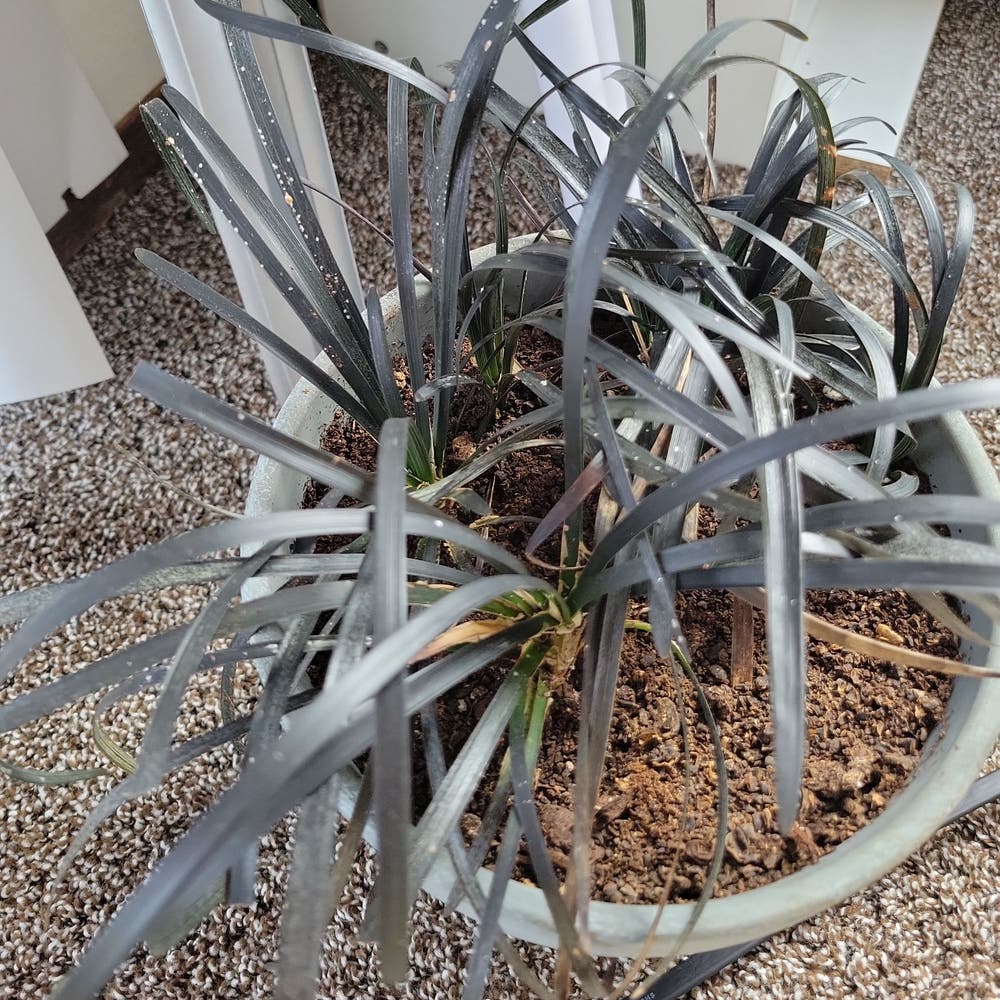
Top 3 Tips for Choosing Black Beard Soil 🥄
Ophiopogon planiscapus 'Black Beard'
By the Greg Editorial Team
Nov 09, 2024•7 min read
This article was created with the help of AI so we can cover more plants for you. May contain errors. See one? Report it here.
Unlock vibrant growth for your Black Beard plants by mastering essential soil care techniques! 🌿
- 🌱 Recognize unhealthy soil signs like mold and foul odors for Black Beard plant health.
- 🧪 Regular soil testing every season ensures optimal conditions for thriving Black Beard plants.
- 🏡 Create a customized soil mix for Black Beard plants using peat moss, perlite, and orchid bark.
Identifying Unhealthy Soil
🚩 Signs of unhealthy soil
Recognizing unhealthy soil is crucial for the health of your Black Beard plants. Look for mold growth, which appears as a fuzzy layer on the surface and can indicate excessive moisture, leading to potential plant diseases.
Compaction is another red flag. If the soil feels hard and dense, it restricts root development, making it difficult for plants to absorb nutrients and water.
Foul odors can also signal trouble. A sour smell often suggests anaerobic conditions, indicating that the soil is not properly aerating and may be harboring harmful bacteria.
Lastly, water pooling on the surface is a clear sign of poor drainage. This can lead to root rot and other moisture-related issues, making it essential to address promptly.
🧼 Solutions for moldy soil
If you discover mold, immediate action is necessary. Start by removing the affected soil and any plants that show signs of distress. This helps prevent the spread of mold to healthy areas.
Next, consider treatment options. You can use fungicides for a quick fix, but natural remedies like cinnamon can also be effective and less harsh on the environment.
To prevent mold from returning, ensure proper watering practices and improve air circulation around your plants. This creates a less favorable environment for mold growth.
🧪 How to test soil health
Testing your soil health is straightforward and essential for maintaining optimal conditions. Soil testing kits are widely available and typically include everything you need to assess pH, nutrient levels, and moisture content.
When using a soil testing kit, follow the instructions carefully. Regular testing—ideally every season—helps you monitor changes and adjust your care routine accordingly. This proactive approach ensures your Black Beard plants thrive in a healthy environment.
With a solid understanding of soil health, you're now ready to explore the ideal pH range for your Black Beard plants.
Ideal Soil pH for Black Beard
🌱 Recommended pH range for Black Beard
For optimal growth, Black Beard thrives in soil with a pH range of 6.0 to 7.0. This pH level is crucial for nutrient uptake, ensuring your plants can absorb essential minerals effectively.
Maintaining the right pH also influences root function. When the pH is balanced, it promotes healthy root development, leading to stronger and more vibrant plants.
⚖️ How to adjust soil pH
If your soil's pH is too low, you can raise it using lime or wood ash. These amendments help neutralize acidity, creating a more hospitable environment for your Black Beard.
Conversely, if you need to lower the pH, consider adding sulfur, peat moss, or organic matter. These options can effectively acidify the soil, making it suitable for your plants.
Monitoring pH changes is essential for ongoing soil health. Regular testing, ideally every few months, allows you to track shifts and make adjustments as needed to keep your Black Beard thriving.
With the right pH adjustments, you set the stage for robust plant growth. Next, let’s explore how to create a homemade soil mix that complements your Black Beard's needs.
Creating a Homemade Soil Mix
Creating a homemade soil mix is a rewarding way to ensure your Black Beard plants thrive. With the right ingredients and proportions, you can craft a blend that meets their specific needs.
🌱 Ingredients for a homemade soil mix
To start, you'll need a few base components: peat moss, perlite, and orchid bark. These materials provide the necessary structure and aeration for healthy root development.
You can also enhance your mix with compost for added nutrients. This optional addition boosts the soil's fertility, making it even more beneficial for your plants.
When mixing, aim for a ratio of 2 parts peat moss, 1 part perlite, and 1 part orchid bark. This combination creates a light, fluffy texture that promotes excellent drainage and aeration.
🛠️ Step-by-step guide to mixing soil
- Gather materials: Collect your peat moss, perlite, orchid bark, and compost.
- Measure and mix: In a large container, combine the ingredients according to the recommended ratios.
- Check texture: Ensure the mixture has a light, fluffy consistency, which is crucial for root health.
🌟 Benefits of homemade soil for Black Beard
Homemade soil offers several advantages. First, it allows for customization, so you can tailor the mix to your plant's specific needs.
Additionally, creating your own soil is cost-effective compared to buying commercial potting mixes. You can save money while ensuring quality.
Finally, a well-crafted homemade mix enhances drainage and aeration, promoting healthy root growth. This is vital for the overall health of your Black Beard plants.
By taking the time to create your own soil mix, you're setting your plants up for success. Next, let’s explore soil amendments and enhancements to further boost your gardening efforts.
Soil Amendments and Enhancements
🌱 Common amendments for improving soil
To enhance soil quality, consider both organic and synthetic amendments. Organic options like compost, worm castings, and coconut coir enrich the soil with nutrients and improve its structure.
Synthetic options, such as chemical fertilizers, can provide immediate nutrient boosts but should be used judiciously. Understanding the specific needs of your Black Beard plants will guide your choice between these two types of amendments.
🛠️ How to incorporate amendments into soil
Timing is crucial when adding amendments. For best results, incorporate them before planting to ensure that nutrients are readily available for new growth.
You can mix amendments into existing soil or layer them on top, depending on your gardening strategy. Each method has its benefits, so choose what aligns best with your gardening goals.
⚖️ Benefits of organic vs. synthetic amendments
Organic amendments promote long-term soil health by enhancing microbial activity and nutrient retention. They create a thriving ecosystem that supports plant growth sustainably.
On the other hand, synthetic amendments can provide quick fixes but may not support the soil's health in the long run. Weighing the environmental impact of your choices is essential for a sustainable gardening practice.
Incorporating the right amendments can significantly improve your soil's quality, setting the stage for healthy Black Beard plants. Next, let's explore the importance of soil drainage and texture for optimal growth.
Soil Drainage and Texture
💧 Importance of drainage for Black Beard
Proper drainage is crucial for preventing root rot, a common issue that can devastate your Black Beard plants. When water accumulates in the soil, it suffocates roots, leading to decay and ultimately plant death.
Good drainage also plays a vital role in overall plant health and growth. It allows roots to access oxygen and nutrients, promoting robust development and resilience against diseases.
🌱 Ideal soil texture for optimal growth
The ideal soil texture for Black Beard is light, porous, and well-aerated. This texture ensures that water drains effectively while still retaining enough moisture for the roots.
When comparing soil textures, sandy soil drains quickly but may lack nutrients. Clay soil retains moisture but can become compacted, hindering root growth. Loamy soil strikes a balance, offering both drainage and nutrient retention, making it the best choice for your plants.
🛠️ How to improve soil drainage
To enhance drainage, consider adding perlite or sand to your soil mix. These materials create air pockets, allowing excess water to flow through while maintaining moisture levels.
Choosing the right container is also essential. Select pots with adequate drainage holes to prevent water from pooling at the bottom.
Finally, monitor moisture levels using moisture meters. These tools provide accurate readings, helping you maintain the perfect balance of moisture for your Black Beard plants.
With proper drainage and texture, your plants will thrive, setting the stage for a lush and vibrant garden. Next, let’s explore soil amendments and enhancements to further boost your soil health.
⚠️ Safety First
This content is for general information and may contain errors, omissions, or outdated details. It is not medical, veterinary advice, or an endorsement of therapeutic claims.
Always consult a qualified healthcare professional before using any plant as food, medicine, or supplement.
Never eat any plant (or feed one to pets) without confirming its identity with at least two trusted sources.
If you suspect poisoning, call Poison Control (800) 222-1222, the Pet Poison Helpline (800) 213-6680, or your local emergency service immediately.
Spotted an error? Please report it here.
Ensure your Black Beard plants flourish in optimal soil conditions 🌱 by using Greg's tailored tips and reminders for maintaining perfect pH and drainage!