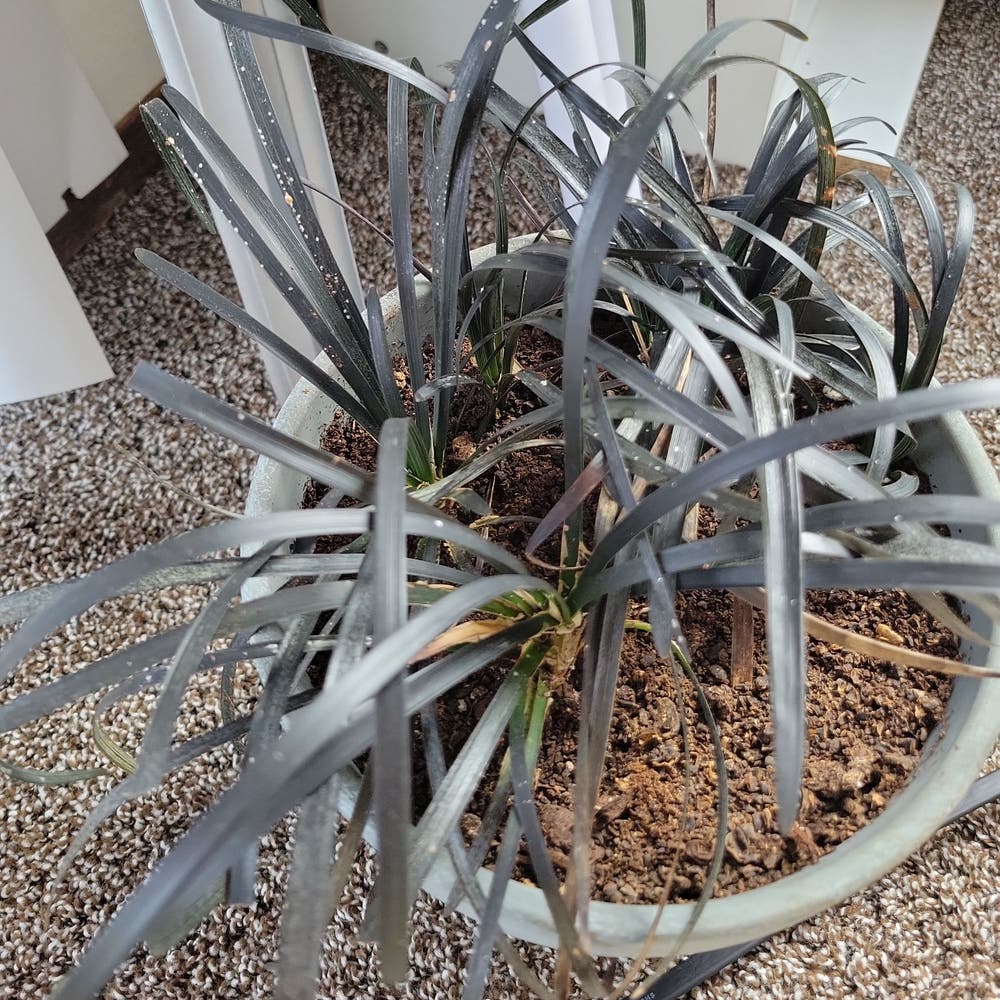
3 Essential Steps to Grow Healthy Black Beard 🧔
Ophiopogon planiscapus 'Black Beard'
By the Greg Editorial Team
Nov 09, 2024•5 min read
This article was created with the help of AI so we can cover more plants for you. May contain errors. See one? Report it here.
Cultivate a thriving garden with essential tips for growing vibrant black beard plants! 🌱
- 🌞 Choose a sunny spot with 4-6 hours of sunlight for healthy black beard growth.
- 🌬️ Protect from wind using barriers to ensure robust plant health outdoors.
- 🌱 Use well-draining soil and maintain pH 6.0-7.0 for optimal nutrient absorption.
Choosing the Right Location
🌞 Outdoor Growing Considerations
When growing healthy black beard plants outdoors, sunlight exposure is crucial. Aim for a spot that receives full sun to partial shade, ideally 4-6 hours of direct sunlight daily.
Additionally, protect your plants from harsh winds. Utilize natural barriers like fences or plant in sheltered areas to shield them from damaging gusts.
🪴 Container Growing Considerations
For container gardening, ideal placement is key to success. Choose areas with indirect sunlight to prevent leaf scorch, which can occur in overly bright conditions.
Mobility is another advantage of container growing. Select a location that allows for easy movement, enabling you to optimize light exposure as the seasons change.
By carefully considering your growing location, you set the stage for vibrant, healthy plants. Next, let’s dive into the essential steps for soil preparation to ensure your black beard thrives.
Soil Preparation
Soil Type and Composition 🌱
To grow a healthy black beard, start with well-draining soil. This is crucial because waterlogged conditions can lead to root rot, which is detrimental to plant health.
Incorporating organic matter, like compost or aged manure, enhances soil fertility. This addition not only nourishes your plants but also improves soil structure, promoting better drainage and aeration.
Soil pH and Nutrient Levels ⚗️
Maintaining an optimal pH range of 6.0 to 7.0 is essential for nutrient availability. This range ensures that your plants can absorb the necessary nutrients effectively.
Conducting soil tests is a smart move. These tests help you determine nutrient levels and identify any deficiencies, allowing you to amend the soil as needed for optimal growth.
With the right soil preparation, your black beard plants will thrive, setting the stage for a lush and vibrant garden. Next, let’s explore the best planting techniques to ensure your plants take root successfully.
Planting Techniques
Planting Depth and Spacing 🌱
Getting the planting depth right is crucial. Ensure the root ball of your black beard plant is level with the soil surface to promote healthy growth.
Spacing is equally important. Aim for 18-24 inches between each plant to allow for optimal air circulation, which helps prevent diseases.
Timing for Planting ⏰
Timing your planting can make all the difference. The best season to plant black beard is in spring or early summer when temperatures are consistently warm, giving your plants the best chance to thrive.
Propagation Techniques 🌿
Starting from seeds is a popular method. Expect a germination time of 2-4 weeks, so be patient as you watch your garden come to life.
If you prefer propagation from cuttings, take 4-6 inch cuttings and apply rooting hormone for the best results. This technique can be a rewarding way to expand your garden with minimal effort.
With these planting techniques in mind, you’re well on your way to cultivating a lush and healthy black beard garden. Next, let’s explore the essential aspects of watering and fertilizing to keep your plants thriving.
Watering and Fertilizing
Watering Requirements and Techniques 💧
Consistent watering is crucial for maintaining healthy soil moisture, especially during the growth phases of your black beard plants. Aim to keep the soil evenly moist, but be cautious not to overdo it.
To prevent overwatering, consider using drip irrigation or soaker hoses. These methods deliver water directly to the roots, minimizing evaporation and ensuring your plants get the hydration they need without the risk of soggy soil.
Fertilizing Schedule and Nutrient Needs 🌱
Fertilizing your black beard plants every 4-6 weeks during the growing season will help them thrive. Regular feeding provides essential nutrients that support robust growth and vibrant foliage.
For the best results, use a balanced NPK fertilizer, such as a 10-10-10 blend. Alternatively, organic options like fish emulsion can also be effective, enriching the soil while being gentle on the environment.
With proper watering and fertilizing techniques, your black beard plants will flourish, setting the stage for the next essential step: pruning and maintenance.
Pruning and Maintenance
Pruning Techniques for Healthy Growth 🌱
Pruning your black beard plants is essential for promoting healthy growth. The best time to prune is in early spring, just before new growth begins.
Remove any dead or damaged leaves to encourage fresh foliage. Additionally, thinning out crowded areas improves air circulation, which is crucial for preventing diseases.
Ongoing Care and Maintenance Tips 🧹
Regular inspections are vital for maintaining plant health. Check for pests and diseases weekly to catch any issues early.
Mulching is another effective strategy. Applying organic mulch helps retain soil moisture and suppresses weeds, giving your plants the best chance to thrive.
With proper pruning and ongoing care, your black beard plants will flourish, setting the stage for the next steps in their growth journey.
Common Challenges and Solutions
🐛 Identifying and Managing Pests
Pests can be a significant hurdle in growing healthy Black Beard plants. Recognizing the signs early can save your plants from serious damage.
Common Pests
- Aphids: These tiny insects can cause curled leaves and leave a sticky residue on your plants.
- Spider mites: Look for fine webbing on the leaves and stippled discoloration, which indicates their presence.
Control Methods
Managing pests effectively is crucial for plant health.
- Natural predators: Introducing ladybugs or lacewings can help keep aphid populations in check.
- Organic insecticides: Neem oil or insecticidal soap are effective options that won't harm beneficial insects.
🦠 Addressing Diseases and Growth Issues
Diseases can also plague your Black Beard plants, but understanding common issues can help you act quickly.
Common Diseases
- Root rot: This occurs when overwatering leads to wilting and yellowing leaves.
- Fungal infections: Look for spots or blight on leaves, which can spread rapidly if not addressed.
Prevention and Treatment
Preventing diseases is often easier than treating them.
- Proper watering techniques: Allow the soil to dry slightly between waterings to prevent root rot.
- Good air circulation: Space your plants adequately to promote airflow and reduce the risk of fungal growth.
By staying vigilant and proactive, you can overcome these common challenges and ensure your Black Beard plants thrive. Next, let’s explore the essential pruning and maintenance techniques that will keep your plants healthy and vibrant.
⚠️ Safety First
This content is for general information and may contain errors, omissions, or outdated details. It is not medical, veterinary advice, or an endorsement of therapeutic claims.
Always consult a qualified healthcare professional before using any plant as food, medicine, or supplement.
Never eat any plant (or feed one to pets) without confirming its identity with at least two trusted sources.
If you suspect poisoning, call Poison Control (800) 222-1222, the Pet Poison Helpline (800) 213-6680, or your local emergency service immediately.
Spotted an error? Please report it here.
Grow vibrant black beard plants 🌱 with Greg's tailored care reminders and expert tips that keep your soil healthy and your watering on point!