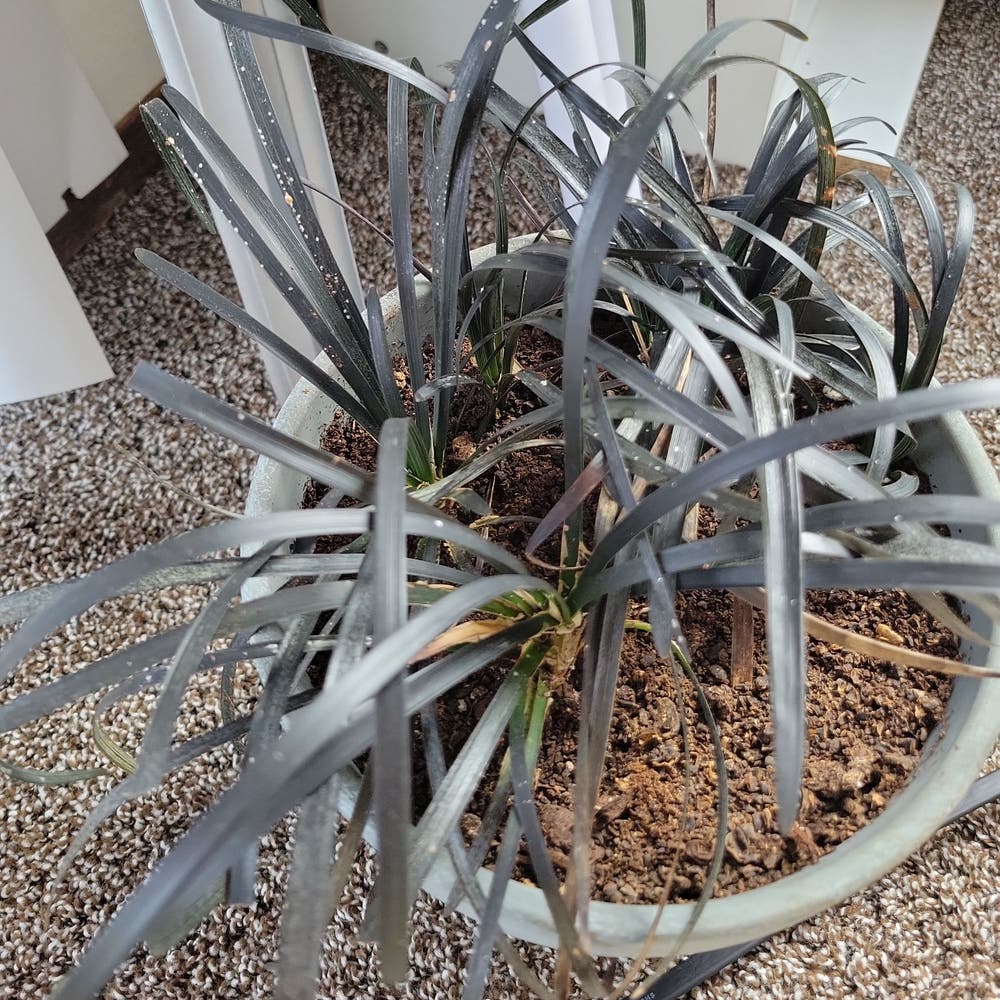
6 Easy Ways to Pollinate Black Beard 🐝
Ophiopogon planiscapus 'Black Beard'
By the Greg Editorial Team
Nov 09, 2024•5 min read
This article was created with the help of AI so we can cover more plants for you. May contain errors. See one? Report it here.
Unlock the secrets of Black Beard flower pollination 🌼 to boost your garden's health and attract vibrant wildlife!
- 🌼 Black Beard flowers attract bees, butterflies, and hummingbirds with their tubular shape.
- 🌈 Vibrant colors and nectar enhance pollination success by drawing in various pollinators.
- 🤝 Hand pollination boosts reproduction; knowing flower parts is key for success.
Flower Structure
Description of Characteristics 🌼
Black Beard flowers boast a unique tubular shape, which is not only visually appealing but also functional for pollinators. Their vibrant colors, ranging from deep purples to bright yellows, serve as beacons, drawing in bees, butterflies, and hummingbirds.
The arrangement of petals, sepals, stamens, and pistils is meticulously designed. Petals often form a welcoming cup, while the stamens are strategically positioned to ensure that pollinators brush against them as they reach for nectar.
Role in Pollination 🐝
The structure of Black Beard flowers facilitates self-pollination effectively. Their design allows pollen to transfer from the stamens to the pistils without needing external help, ensuring reproduction even in less-than-ideal conditions.
However, these flowers also thrive on cross-pollination. Their vibrant colors and sweet nectar attract specific pollinator species, enhancing genetic diversity and overall plant health. This dual capability makes Black Beard a resilient and adaptable plant in various environments.
With a solid understanding of flower structure, we can now delve into the fascinating pollination process that brings these blooms to life.
Pollination Process
🌱 Self-Pollination vs. Cross-Pollination
Black Beard flowers have evolved fascinating mechanisms for self-pollination. This process typically occurs when the flower's stamens release pollen onto its own pistils, often facilitated by the flower's structure, which allows for close proximity of male and female parts.
Timing is crucial for successful self-pollination. Flowers usually open in the morning, allowing pollen to be transferred before they close in the afternoon, maximizing the chances of fertilization.
In contrast, cross-pollination relies on external pollinators. Key species include bees, butterflies, and hummingbirds, each playing a vital role in transferring pollen from one flower to another, enhancing genetic diversity and overall plant health.
🐝 Attraction Mechanisms
The availability of nectar and pollen is a major draw for pollinators. Black Beard flowers produce abundant nectar, which serves as a reward for visiting pollinators, encouraging them to return frequently.
Visual cues also play a significant role in attracting these creatures. The vibrant colors and unique shapes of Black Beard flowers not only catch the eye but also signal to specific pollinators, guiding them to the nectar-rich blooms.
By understanding these mechanisms, gardeners can better appreciate the intricate relationships between Black Beard flowers and their pollinators. This knowledge can lead to more effective gardening practices that support healthy pollination processes.
Next, we’ll explore hand pollination techniques that can further enhance the success of Black Beard's reproduction.
Hand Pollination Techniques ((difficulty:moderate))
🕵️♂️ Step-by-Step Instructions
Identifying Male and Female Flower Parts
To successfully hand-pollinate Black Beard flowers, start by identifying the male and female parts. Male flowers contain stamens, which produce pollen, while female flowers have pistils, where fertilization occurs.
Collecting Pollen
Once you've identified the male flowers, gently collect pollen using a small brush or cotton swab. Be careful not to damage the delicate stamens while ensuring you gather enough pollen for effective transfer.
Transferring Pollen
Next, apply the collected pollen to the stigma of the female flowers. This can be done by lightly brushing the pollen onto the pistil, ensuring good contact for successful fertilization.
⏰ Timing for Hand Pollination
Timing is crucial for effective hand pollination. The best times to pollinate are early in the morning or late afternoon when flowers are fully open and temperatures are moderate. These conditions enhance pollen viability and increase the chances of successful fertilization.
By following these steps and timing your efforts correctly, you can significantly boost the pollination success of your Black Beard plants. This hands-on approach not only supports plant health but also deepens your connection with nature.
Supporting Pollinators
🌼 Creating a Pollinator-Friendly Environment
To support the pollination of Black Beard, creating a diverse planting environment is essential. A variety of flowering plants not only attracts different pollinator species but also ensures that there’s something blooming throughout the growing season.
Incorporating native plants is particularly beneficial. These plants are adapted to local conditions and often provide the best resources for local pollinators. Additionally, consider including plants that bloom at different times to maintain a steady food source for pollinators.
Providing suitable habitats is equally important. Pollinators need safe nesting sites and shelter to thrive. This can be achieved by leaving some areas of your garden undisturbed, adding brush piles, or installing bee hotels.
🌱 Suggested Companion Plants
Companion planting can significantly enhance the pollination success of Black Beard. Here are some specific plants that attract beneficial pollinators:
- Lavender: Its fragrant flowers draw in bees and butterflies.
- Echinacea (Coneflower): A favorite among various pollinators, it blooms throughout the summer.
- Marigolds: These bright flowers not only attract pollinators but also deter pests.
By integrating these companion plants into your garden, you create a vibrant ecosystem that supports the health and productivity of Black Beard.
In the next section, we’ll explore the common challenges faced in pollination and how to overcome them effectively.
Pollination Challenges
Common Obstacles 🐝
Pollination can be significantly hindered by environmental factors. Temperature fluctuations and high humidity levels can disrupt the delicate balance needed for effective pollination, leading to reduced flower viability.
Additionally, the decline in pollinator populations poses a serious threat to Black Beard's reproductive success. As bees, butterflies, and other essential pollinators dwindle, the chances of cross-pollination decrease, which can ultimately affect plant health and yield.
Solutions for Overcoming Challenges 🌼
To improve pollination success, consider enhancing the habitat around your Black Beard plants. Planting a diverse range of flowering species can attract various pollinators, creating a more inviting environment.
Gardeners can also provide supplemental food sources, such as sugar water or specialized feeders, to support pollinators during lean times. Adapting gardening practices, like planting in clusters and avoiding pesticides, can further bolster the pollination process, ensuring your Black Beard thrives despite challenges.
By understanding these obstacles and implementing effective strategies, you can create a flourishing ecosystem that supports Black Beard's pollination needs. This proactive approach not only benefits your plants but also contributes to the overall health of local pollinator populations.
⚠️ Safety First
This content is for general information and may contain errors, omissions, or outdated details. It is not medical, veterinary advice, or an endorsement of therapeutic claims.
Always consult a qualified healthcare professional before using any plant as food, medicine, or supplement.
Never eat any plant (or feed one to pets) without confirming its identity with at least two trusted sources.
If you suspect poisoning, call Poison Control (800) 222-1222, the Pet Poison Helpline (800) 213-6680, or your local emergency service immediately.
Spotted an error? Please report it here.
Boost your Black Beard flowers' pollination success and attract more pollinators 🐝 with Greg's tailored gardening tips that help you create a vibrant, thriving ecosystem!