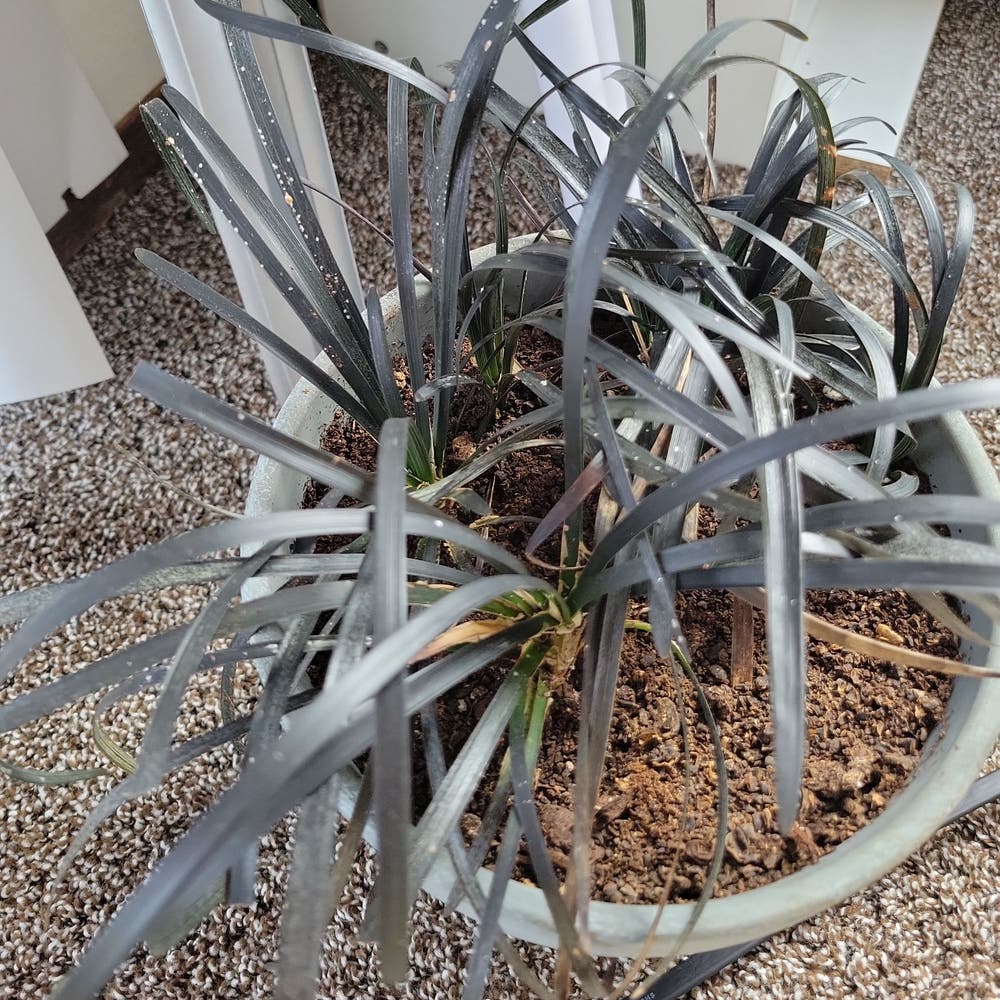
How to Fix Dropping Leaves on Your Black Beard 🍂
Ophiopogon planiscapus 'Black Beard'
By the Greg Editorial Team
Nov 09, 2024•5 min read
This article was created with the help of AI so we can cover more plants for you. May contain errors. See one? Report it here.
Revive your Black Beard plant's vitality 🌿 with these essential tips to prevent leaf drop and ensure lush growth!
- 💧 Regularly test water quality to ensure optimal conditions for your Black Beard plant.
- 🌱 Maintain pH between 6.5-7.5 and monitor nutrient levels to prevent stress.
- 💡 Provide 8-12 hours of light daily, adjusting for algae blooms and growth needs.
Diagnosing the Problem
🌊 Assessing Water Quality
To keep your Black Beard plant thriving, start by testing your water quality. Key parameters to check include pH, ammonia, nitrites, nitrates, and hardness.
For Black Beard, the ideal pH range is between 6.5 and 7.5. Ammonia and nitrites should be at 0 ppm, while nitrates should remain below 20 ppm to prevent stress on your plant.
💡 Evaluating Light Conditions
Next, evaluate the light conditions in your aquarium. Measure the light intensity in lumens and ensure your plant receives adequate light for 8 to 12 hours daily.
Watch for signs of excessive light, such as algal blooms or leaf burn. These indicators suggest that your plant may be receiving too much light, which can lead to further issues.
🌱 Checking for Nutrient Deficiencies
Nutrient deficiencies can also contribute to leaf drop. Identify the essential nutrients your Black Beard needs, including nitrogen, phosphorus, potassium, and trace elements.
Look for specific symptoms of deficiencies, such as discoloration or unusual growth patterns. Addressing these nutrient needs promptly can help restore your plant's health.
🌡️ Identifying Environmental Stressors
Finally, consider environmental stressors that could be affecting your Black Beard. Temperature fluctuations can be detrimental, with an ideal range of 22°C to 28°C (72°F to 82°F).
Additionally, assess your water change routine. The frequency and volume of water changes can significantly impact the stability of your aquarium environment, influencing your plant's overall health.
By thoroughly diagnosing these potential issues, you can take informed steps to address the leaf drop in your Black Beard plant. Next, let’s explore effective solutions to remedy these problems and promote healthy growth.
Solutions for Leaf Drop
💧 Adjusting Water Parameters
Maintaining optimal water conditions is crucial for your Black Beard's health. Regular testing is essential; aim for weekly checks to ensure parameters like pH and ammonia levels are within the ideal ranges.
To keep harmful substances at bay, establish a water change schedule. A 10-20% weekly change can significantly dilute toxins and promote a healthier environment.
💡 Optimizing Light Exposure
Light exposure plays a vital role in plant vitality. If you notice algae blooms, consider adjusting the light duration to around 8 hours a day to prevent excess growth.
Additionally, ensure that your lighting is evenly distributed. Proper positioning can eliminate shadowing, allowing all parts of the plant to receive adequate light.
🌱 Fertilization Techniques
Choosing the right fertilizer can make a world of difference. You have options: liquid fertilizers are great for quick absorption, while substrate fertilizers provide a slow-release solution.
For application frequency, stick to a monthly schedule for liquid fertilizers. Substrate fertilizers can be applied as needed, depending on the plant's growth and nutrient uptake.
💨 CO2 Supplementation
CO2 is a game-changer for aquatic plants. You can choose between DIY systems or pressurized CO2 tanks, depending on your setup and budget.
Monitoring CO2 levels is equally important. Use drop checkers or pH indicators to keep track, ensuring your Black Beard gets the carbon it needs for robust growth.
With these solutions in place, your Black Beard should thrive, reducing leaf drop and enhancing overall health. Next, let’s explore some preventative measures to keep your plant in top shape.
Preventative Measures
Regular Maintenance Routines 🌱
Maintaining your Black Beard plant starts with consistent water testing. Aim for weekly checks to ensure parameters remain stable and within the ideal ranges.
Pruning is equally essential. Regularly remove dead or decaying leaves to promote new growth and prevent decay from spreading throughout the tank.
Monitoring Plant Health 👀
Keep a close eye on your plant's growth patterns. Regular observations can help you spot new growth or any signs of distress early on.
Consider keeping a plant journal. Documenting changes in water quality and plant health can provide valuable insights into what works best for your Black Beard.
Best Practices for Black Beard Care 🏆
Stability is key when caring for your Black Beard plant. Avoid sudden changes in temperature or water chemistry to keep your plant thriving.
Additionally, choose tank mates wisely. Avoid fish that may stress your Black Beard, as a harmonious environment is crucial for its health.
By implementing these preventative measures, you can create a thriving ecosystem for your Black Beard plant. This proactive approach will help you enjoy a lush, vibrant aquatic garden.
Common Misconceptions
🌿 Myths About Leaf Drop in Aquatic Plants
Many aquarium enthusiasts mistakenly believe that all leaf drop is detrimental. In reality, natural shedding is a normal part of a plant's growth cycle.
Another common myth is the misunderstanding of algae's role in the ecosystem. Not all algae are harmful; some can actually indicate a healthy balance within your aquarium.
🦠 Clarifying the Role of Algae in Leaf Health
Black Beard algae often gets a bad rap, but it serves as an indicator of underlying issues rather than a direct cause of leaf drop. When you see this type of algae, it’s a signal to investigate your water quality and overall tank conditions.
Maintaining a balance is crucial. Healthy levels of algae can coexist with thriving aquatic plants, provided the right conditions are met. This balance is key to a vibrant aquarium ecosystem.
Understanding these misconceptions can empower you to take better care of your Black Beard plants. With the right knowledge, you can foster a healthy environment where both plants and algae can thrive.
Next, let’s explore preventative measures to keep your Black Beard healthy and flourishing.
⚠️ Safety First
This content is for general information and may contain errors, omissions, or outdated details. It is not medical, veterinary advice, or an endorsement of therapeutic claims.
Always consult a qualified healthcare professional before using any plant as food, medicine, or supplement.
Never eat any plant (or feed one to pets) without confirming its identity with at least two trusted sources.
If you suspect poisoning, call Poison Control (800) 222-1222, the Pet Poison Helpline (800) 213-6680, or your local emergency service immediately.
Spotted an error? Please report it here.
Keep your Black Beard thriving 🌱 by using Greg for tailored water quality tips and reminders that will help you prevent leaf drop and foster a vibrant ecosystem!