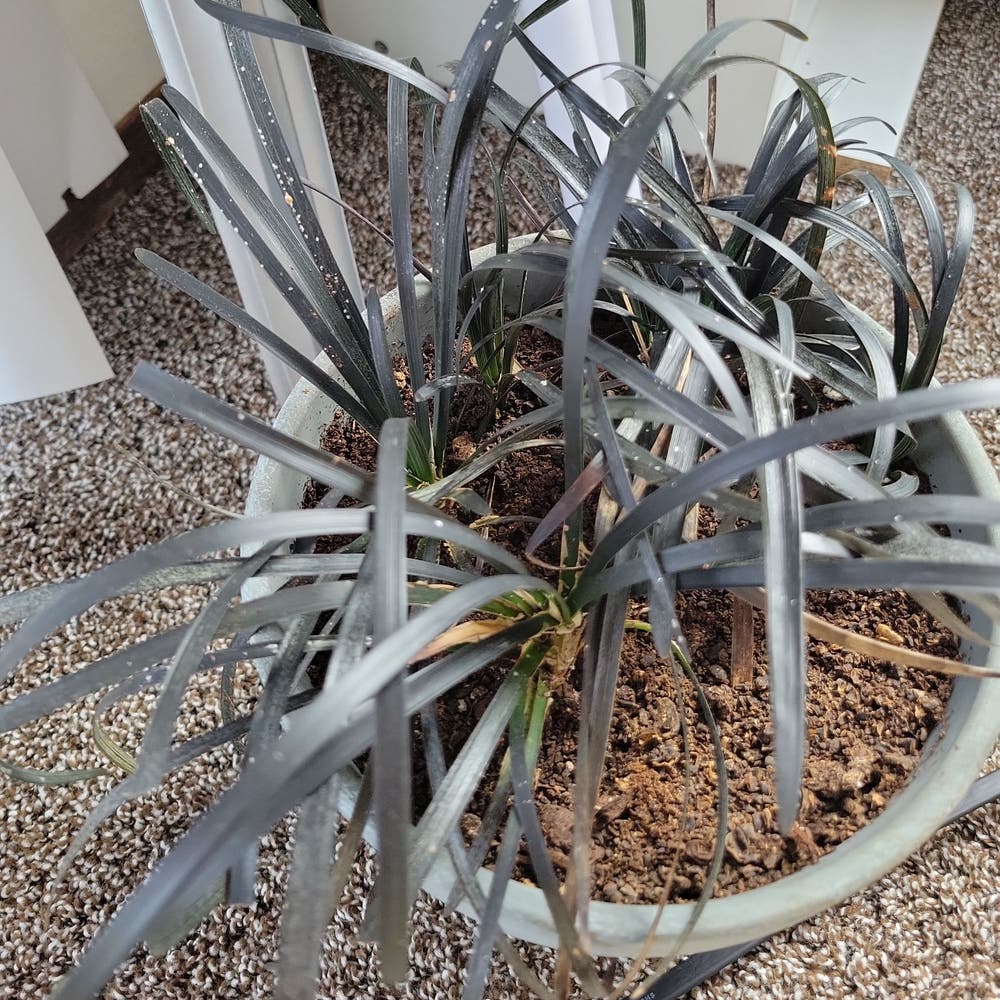
What to Do About Droopy Leaves on Your Black Beard 💧
Ophiopogon planiscapus 'Black Beard'
By the Greg Editorial Team
Nov 09, 2024•6 min read
This article was created with the help of AI so we can cover more plants for you. May contain errors. See one? Report it here.
Transform your droopy Black Beard into a thriving beauty 🌱 with these essential care tips for vibrant foliage!
- 🌱 Droopy leaves can result from overwatering, underwatering, or nutrient deficiencies.
- 💧 Check soil moisture regularly to prevent droopy leaves from over or underwatering.
- 🌞 Ensure 6-8 hours of bright, indirect sunlight daily for optimal Black Beard health.
Causes of Droopy Leaves
💧 Overwatering: Signs and Solutions
Overwatering is a common culprit behind droopy leaves. Look for symptoms like yellowing leaves and a mushy texture, which indicate excess moisture.
Inspect the roots for rot; dark, slimy roots are a clear sign of trouble. To remedy overwatering, start by allowing the soil to dry out completely before rewatering.
Ensure your pots have drainage holes to prevent waterlogging. Adjust your watering frequency, only giving your plant a drink when the top inch of soil feels dry.
🌵 Underwatering: Identifying Symptoms
Underwatering can also lead to droopy leaves, manifesting as crispy, brown edges and overall wilting. You might notice the soil pulling away from the pot edges, signaling that your plant is thirsty.
To address underwatering, water thoroughly until excess drains out of the bottom. Establish a consistent watering schedule that considers your plant's environment.
Using moisture meters can help you monitor soil moisture levels effectively, ensuring your plant gets just the right amount of water.
🌡️ Environmental Stress: Temperature and Humidity Effects
Environmental stress can significantly impact your plant's health. The ideal temperature range for a Black Beard is between 20°C to 30°C (68°F to 86°F), while it thrives in moderate to high humidity levels of 50-70%.
Signs of environmental stress include droopy leaves and discoloration, often due to temperature fluctuations. To manage this, maintain stable temperatures by avoiding drafts and sudden changes.
Increasing humidity can be achieved with a humidifier or by placing pebble trays filled with water near your plant.
🥦 Nutrient Deficiencies: Recognizing and Addressing
Nutrient deficiencies can also cause droopy leaves. Common issues include nitrogen deficiency, which leads to yellowing leaves and stunted growth, and magnesium deficiency, characterized by interveinal chlorosis.
To tackle nutrient deficiencies, conduct soil tests to identify nutrient levels. Applying balanced fertilizers during the growing season can help restore your plant's health.
Additionally, consider using organic amendments like compost to enrich the soil, providing your plant with the nutrients it craves.
Understanding these causes of droopy leaves is crucial for effective plant care. With the right knowledge, you can ensure your Black Beard thrives, leading to lush, vibrant foliage. Next, we’ll explore how to diagnose droopy leaves effectively.
Diagnosing Droopy Leaves
🌱 Assessing Soil Moisture Levels
Understanding soil moisture is crucial for your Black Beard's health. You can check moisture levels using two simple techniques.
- Finger Test: Insert your finger into the soil up to the second knuckle. If it feels dry, it’s time to water.
- Soil Moisture Meter: This handy tool provides accurate readings, ensuring you know exactly when to hydrate your plant.
The ideal moisture level is when the soil is moist but not soggy. This balance helps prevent both overwatering and underwatering issues.
🐛 Checking for Pests and Diseases
Pests and diseases can also cause droopy leaves. Regular inspections are key to catching these problems early.
Common Pests:
- Mealybugs: Look for cotton-like masses on leaves.
- Spider Mites: Fine webbing and stippled leaves are telltale signs.
Signs of Disease:
- Fungal Infections: Watch for dark spots or mold on leaves.
To manage pests and diseases effectively:
- Regularly inspect your plants for signs of infestation.
- Use insecticidal soap or neem oil for treatment.
☀️ Evaluating Light Conditions
Light conditions play a significant role in your plant's vitality. Your Black Beard thrives in bright, indirect sunlight for 6-8 hours daily.
Inadequate light can lead to:
- Stretching Stems: This indicates your plant is reaching for more light.
- Droopy Leaves: A clear sign that your plant is struggling.
To improve light conditions:
- Move your plant closer to a light source or use grow lights.
- Rotate the plant regularly for even light exposure.
By assessing soil moisture, checking for pests, and evaluating light conditions, you can effectively diagnose the causes of droopy leaves. This proactive approach sets the stage for revitalizing your Black Beard and ensuring its long-term health.
Solutions for Droopy Leaves
🌱 Step-by-Step Guide to Reviving Droopy Leaves
Reviving droopy leaves starts with identifying the underlying cause. Whether it’s overwatering, underwatering, or environmental stress, pinpointing the issue is crucial.
Next, adjust your watering practices based on your diagnosis. If overwatering is the culprit, allow the soil to dry out completely before rewatering. For underwatering, give your plant a thorough drink until excess water drains from the bottom.
Improving environmental conditions is also essential. Ensure your plant is in a stable temperature range and humidity level that suits its needs. Lastly, if you suspect nutrient deficiencies, consider fertilizing to give your plant the boost it needs.
💧 Adjusting Watering Practices
Establishing a consistent watering routine is vital for your plant's health. During the growing season, you may need to water more frequently, while in dormancy, reduce the frequency to prevent waterlogging.
Monitor the top inch of soil; only water when it feels dry. This simple practice can make a significant difference in keeping your plant happy and healthy.
🌡️ Improving Humidity and Temperature Conditions
Humidity plays a key role in plant health. To increase humidity, consider using a humidifier or misting your plants regularly.
Temperature stability is equally important. Keep your plants away from heating or cooling vents to avoid sudden temperature fluctuations that can stress them.
🌿 Fertilization Techniques for Healthy Growth
Fertilization is another critical aspect of plant care. A recommended schedule is to fertilize every 4-6 weeks during the growing season to support robust growth.
When choosing fertilizers, opt for balanced NPK fertilizers or slow-release granules. These options provide essential nutrients that help your plant thrive.
By following these steps, you can effectively address droopy leaves and promote a healthier, more vibrant plant. Next, let’s explore preventative measures to keep your Black Beard thriving long-term.
Preventative Measures
🌊 Best Practices for Watering
To keep your Black Beard thriving, water only when the top inch of soil feels dry. This simple practice helps prevent overwatering, which can lead to droopy leaves and root rot.
Using pots with good drainage is essential. Proper drainage allows excess water to escape, reducing the risk of waterlogging and promoting healthy root growth.
🌿 Ideal Environmental Conditions
Maintaining humidity levels between 50-70% is crucial for your plant's well-being. This range mimics its natural habitat and supports lush, vibrant foliage.
Additionally, keep temperatures within the optimal range of 20°C to 30°C (68°F to 86°F). Stable temperatures help prevent stress that can cause droopy leaves.
🔍 Regular Maintenance and Monitoring
Schedule regular inspections for pests and diseases to catch any issues early. A proactive approach can save your plant from significant damage.
Monitoring soil moisture is equally important. Adjust your care practices based on moisture levels to ensure your Black Beard remains healthy and happy.
By implementing these preventative measures, you can create an environment where your Black Beard thrives, reducing the chances of droopy leaves and other common issues. Next, let’s explore effective solutions for reviving droopy leaves when they do occur.
⚠️ Safety First
This content is for general information and may contain errors, omissions, or outdated details. It is not medical, veterinary advice, or an endorsement of therapeutic claims.
Always consult a qualified healthcare professional before using any plant as food, medicine, or supplement.
Never eat any plant (or feed one to pets) without confirming its identity with at least two trusted sources.
If you suspect poisoning, call Poison Control (800) 222-1222, the Pet Poison Helpline (800) 213-6680, or your local emergency service immediately.
Spotted an error? Please report it here.
Keep your Black Beard perky and proud 🌿 by using Greg's tailored watering reminders and care tips to prevent droopy leaves and ensure optimal growth!