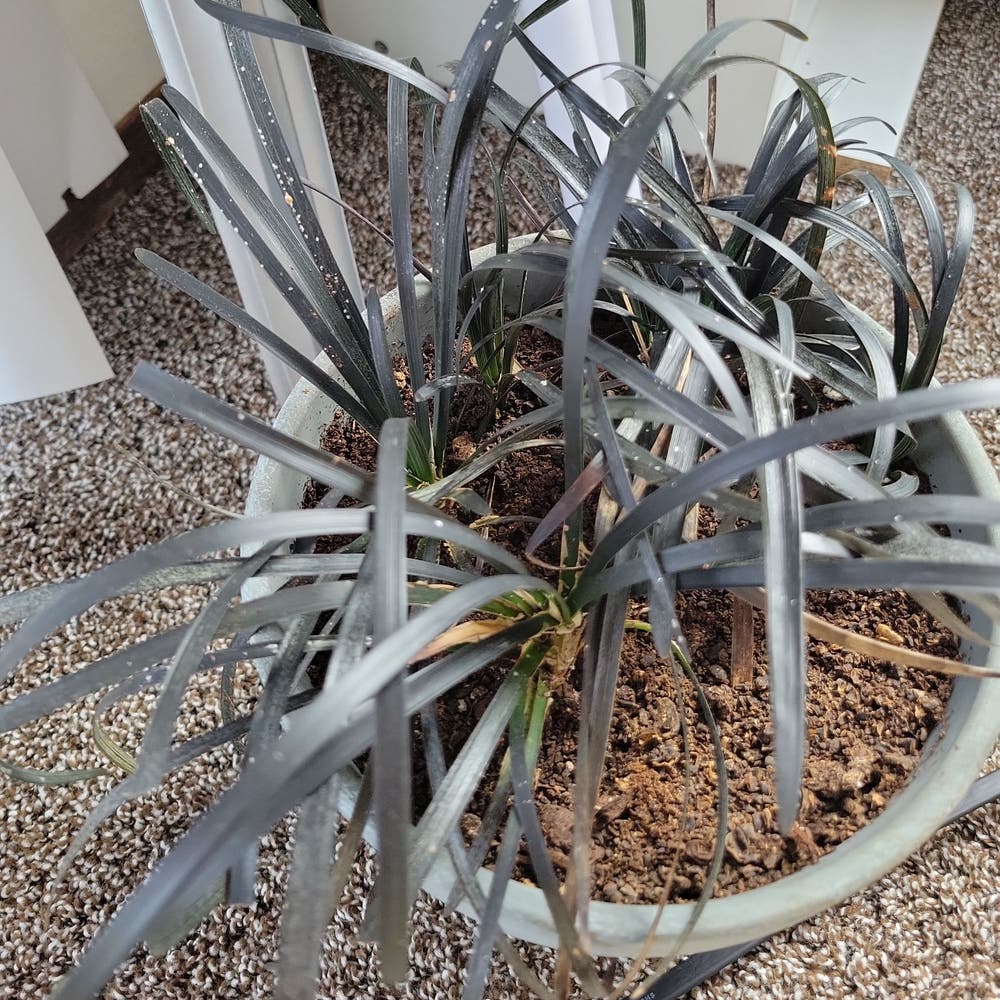
🔍 What's Eating Your Black Beard
Ophiopogon planiscapus 'Black Beard'
By the Greg Editorial Team
Nov 09, 2024•7 min read
This article was created with the help of AI so we can cover more plants for you. May contain errors. See one? Report it here.
Uncover how Black Beard plants enrich your garden's ecosystem while attracting both beauty and challenges! 🌿
- 🌿 Black Beard attracts pollinators and enhances garden aesthetics with its lush foliage.
- 🦌 Deer, rabbits, and squirrels can damage Black Beard; use deterrents to protect plants.
- 🐦 Birds can help or harm; use netting to safeguard fruits from potential damage.
Appearance and Appeal
Black Beard is a striking plant, known for its broad, dark green leaves that form a lush, dense canopy. This impressive foliage not only provides shade but also serves as a backdrop for its vibrant blooms.
🍃 Leaf Structure
The leaves of Black Beard are broad and dark green, creating a rich, inviting appearance. This dense canopy offers a habitat for various creatures and enhances the overall aesthetic of any garden.
🌸 Flowering
The plant produces bright, attractive flowers that are a magnet for pollinators. Their vivid colors and sweet fragrance make them irresistible to bees, butterflies, and other beneficial insects.
🐾 Most Appealing Parts to Animals
Black Beard's allure extends beyond its beauty; it offers several enticing features for animals.
Fruits
The juicy, nutrient-rich fruits are particularly appealing to various herbivores. These fruits not only provide sustenance but also attract a range of wildlife to your garden.
Flowers
The sweet nectar and pollen from the flowers entice not just pollinators but also other animals. This makes Black Beard a vital part of the ecosystem, supporting both plant reproduction and animal nutrition.
Young Shoots
Tender, succulent young shoots are especially appealing to herbivores. Their softness and high nutrient content make them a favorite snack for many garden visitors.
In summary, Black Beard's lush appearance and rich offerings create a vibrant ecosystem that attracts a variety of animals. Understanding these appealing traits can help gardeners appreciate the plant's role in their landscape and manage interactions with wildlife effectively.
Next, we will explore the common herbivores that affect Black Beard and the signs of their presence.
Common Herbivores Affecting Black Beard
🦌 Deer
Signs of presence and damage caused
Deer are often the first culprits when it comes to damage to Black Beard. Look for distinct hoof prints in the soil and evidence of browsing, where leaves and young shoots are stripped from the plant.
Beneficial vs. harmful interactions
Interactions with deer are generally harmful. Their feeding habits can lead to significant plant damage and stunted growth, making them a serious threat to your garden.
Deterrent methods
To keep deer at bay, consider using chemical deterrents like commercial deer repellents that have strong scents. Alternatively, you can plant deer-resistant companion plants or scatter human hair or soap shavings around your garden for a more organic approach.
🐇 Rabbits
Signs of presence and damage caused
Rabbits leave their mark with small, round droppings and noticeable gnaw marks on stems. You might also find cleanly cut leaves and stems at a 45-degree angle, a telltale sign of their feeding.
Beneficial vs. harmful interactions
Rabbits are generally harmful to Black Beard. They can decimate young plants and seedlings, posing a significant risk to your garden's health.
Deterrent methods
To deter rabbits, use bitter-tasting sprays as chemical deterrents. Organic methods include erecting fencing at least 2 feet high and using repellents like cayenne pepper to keep them away.
🐿️ Squirrels
Signs of presence and damage caused
Squirrels can be quite destructive, leaving behind signs of scratching on the bark and digging around the base of the plant. You may also notice missing fruits and flowers, with remnants scattered nearby.
Beneficial vs. harmful interactions
Interactions with squirrels are generally harmful. Their activities can disrupt plant health and significantly reduce fruit yield.
Deterrent methods
To manage squirrel populations, use capsaicin-based sprays as chemical deterrents. For organic solutions, consider installing squirrel-proof feeders and using reflective materials to scare them off.
🐦 Birds
Signs of presence and damage caused
Birds can be both friends and foes. Look for pecking marks that create holes in leaves and signs of missing fruits. Nesting activity around the plant can also indicate their presence.
Beneficial vs. harmful interactions
Bird interactions are mixed. While some birds serve as beneficial pollinators, others may damage fruits, creating a complex relationship with your garden.
Deterrent methods
Chemical deterrents are rarely used for birds; instead, focus on organic methods. Bird netting and reflective tape can effectively scare birds away from your precious Black Beard.
🐭 Rodents (mice, voles, etc.)
Signs of presence and damage caused
Rodents like mice and voles can wreak havoc on your garden. Look for small holes in the ground, trails through the foliage, and gnaw marks on stems and roots.
Beneficial vs. harmful interactions
Rodent interactions are generally harmful. They can cause significant plant damage and root loss, making them a serious concern for any gardener.
Deterrent methods
For rodent control, chemical deterrents like rodenticides can be effective but should be used with caution. Organic methods include traps and planting deterrent plants like mint to keep them at bay.
By understanding the common herbivores that threaten Black Beard, you can take proactive steps to protect your garden. Next, we’ll explore the beneficial animals that can enhance your garden ecosystem.
Beneficial Animals and Ecosystem Impact
🐝 Attracting Pollinators
Black Beard plants are a magnet for beneficial animals, particularly pollinators like bees and butterflies. These creatures play a crucial role in the flowering and fruiting processes, ensuring your garden thrives.
🐞 Predatory Insects
In addition to pollinators, Black Beard attracts predatory insects such as ladybugs and lacewings. These helpful allies naturally control pest populations, keeping harmful insects at bay.
🌍 Positive Ecosystem Contributions
The presence of these beneficial animals leads to several positive impacts on your garden ecosystem.
- Enhanced Pollination: Increased activity from pollinators results in better fruit set, meaning more bountiful harvests for you.
- Natural Pest Control: With predatory insects around, you can reduce the need for chemical interventions, promoting a healthier garden environment.
By fostering a habitat that attracts these beneficial animals, you not only enhance the beauty of your garden but also create a balanced ecosystem. This synergy between plants and animals is vital for sustainable gardening practices.
As you cultivate your Black Beard, remember that these interactions are essential for maintaining a vibrant and productive garden. Next, let’s explore general strategies for protecting your Black Beard from herbivore damage.
General Strategies for Protecting Black Beard
🛡️ Preventive Measures for Herbivore Damage
To safeguard your Black Beard plants, start with smart plant selection. Companion plants that deter herbivores can create a natural barrier, making your garden less appealing to hungry visitors.
Physical barriers are another effective strategy. Installing fencing or netting around vulnerable plants can provide a protective shield against various herbivores.
🚨 Reactive Solutions for Managing Animal Interactions
Monitoring your garden regularly is crucial. Keep an eye out for signs of animal activity and damage to catch any issues early.
When you notice signs of herbivore presence, quick responses are key. Implement deterrent methods immediately to minimize damage and protect your plants.
🌱 Seasonal Variations in Animal Attraction to Black Beard
Understanding seasonal patterns can help you anticipate animal activity. In spring, expect increased visits from rabbits and deer as they seek out tender shoots.
Summer brings a surge in activity from birds and squirrels, drawn to the ripening fruits.
As fall approaches, groundhogs prepare for winter, leading to heightened feeding around your Black Beard plants.
By staying vigilant and adapting your strategies throughout the seasons, you can effectively protect your garden from herbivores while enjoying the beauty of Black Beard.
Toxicity and Safety
⚠️ Potential Toxicity
Black Beard plants can pose potential mild toxicity to certain herbivores. This toxicity may lead to digestive upset, which can be a concern for animals that frequently munch on these plants.
🦺 Managing Animal Interactions
Understanding the toxicity of Black Beard is crucial for managing animal interactions in your garden. By being aware of these effects, you can take proactive steps to protect both your plants and the local wildlife.
⚠️ Safety First
This content is for general information and may contain errors, omissions, or outdated details. It is not medical, veterinary advice, or an endorsement of therapeutic claims.
Always consult a qualified healthcare professional before using any plant as food, medicine, or supplement.
Never eat any plant (or feed one to pets) without confirming its identity with at least two trusted sources.
If you suspect poisoning, call Poison Control (800) 222-1222, the Pet Poison Helpline (800) 213-6680, or your local emergency service immediately.
Spotted an error? Please report it here.
Protect your Black Beard from hungry herbivores and cultivate a thriving garden 🌱 with Greg's personalized care tips and timely reminders to keep your plants flourishing!