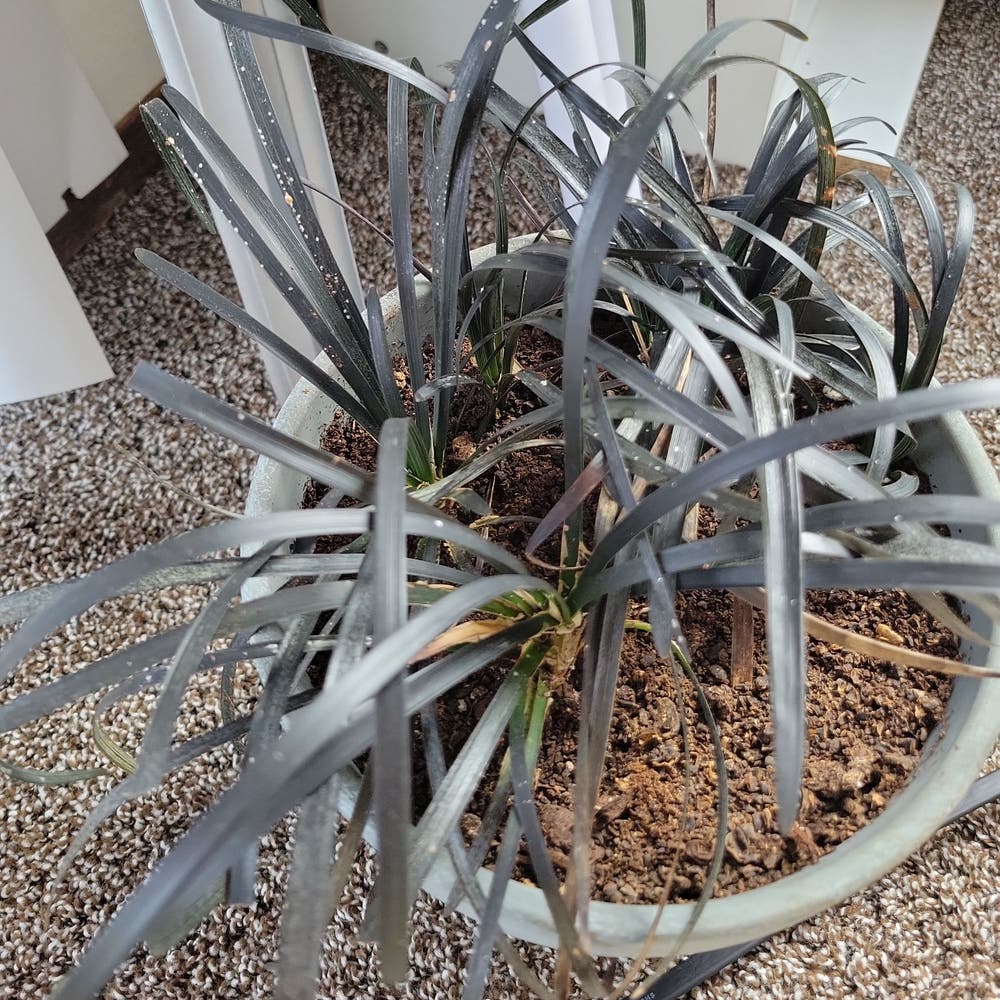
💧 Watering Frequency for Black Beard: Best Practices
Ophiopogon planiscapus 'Black Beard'
By the Greg Editorial Team
Nov 09, 2024•5 min read
This article was created with the help of AI so we can cover more plants for you. May contain errors. See one? Report it here.
Keep your Black Beard plant thriving 🌱 with essential watering tips that ensure it flourishes all year round!
- 💧 Water Black Beard every 1-2 weeks, adjusting for seasons and light conditions.
- 🌱 Yellowing leaves indicate over-watering, while wilting shows under-watering issues.
- 📱 Use apps or moisture meters for precise watering schedules and reminders.
Recommended Watering Schedule
🌊 General Watering Frequency
Water your Black Beard plant every 1-2 weeks, adjusting based on environmental conditions. During the growing season in spring and summer, increase watering frequency, while reducing it in the dormancy period of fall and winter.
📊 Factors Affecting Watering Frequency
💡 Light Conditions
The amount of light your plant receives significantly impacts its watering needs. In bright, indirect light, your Black Beard may require more frequent watering, while lower light conditions can decrease this frequency.
🌡️ Temperature and Humidity
Maintaining the right temperature is crucial for your plant's health. Aim for an ideal range of 20°C to 30°C (68°F to 86°F).
Humidity also plays a vital role; higher humidity levels can reduce the need for watering, whereas lower humidity may necessitate more frequent hydration.
Understanding these factors will help you create a tailored watering schedule that keeps your Black Beard thriving.
Recognizing Over-Watering and Under-Watering
Understanding the signs of over-watering and under-watering is crucial for keeping your Black Beard healthy. These indicators can help you adjust your watering routine effectively.
🚿 Signs of Over-Watering
One of the first signs of over-watering is yellowing leaves. If your plant's leaves start to turn yellow, it often indicates excess moisture.
Another serious symptom is root rot. This condition manifests as a foul smell and mushy roots, which can be detrimental to your plant's health.
Additionally, check the soil condition. If the soil remains consistently soggy, it suggests poor drainage and excessive watering.
💧 Signs of Under-Watering
On the flip side, wilting leaves are a clear sign of under-watering. When leaves droop and lose their firmness, your plant is signaling for more water.
You might also notice dry soil. If the soil pulls away from the edges of the pot and feels dry to the touch, it's time to give your plant a drink.
Lastly, leaf drop can occur as a stress response. Older leaves may fall off if the plant is not receiving enough moisture.
Recognizing these signs will help you maintain a balanced watering routine, ensuring your Black Beard thrives. Next, let’s explore effective watering techniques to optimize your plant care.
Watering Techniques
💧 Bottom-Watering Method
The bottom-watering method is a simple yet effective technique. By adding water to the bottom of the pot, your plant can absorb moisture through the drainage holes, ensuring even hydration.
This method significantly reduces the risk of over-watering, which can lead to root rot. Additionally, it encourages deep root growth, helping your plant thrive.
🪴 Self-Watering Pots
Self-watering pots are a game-changer for busy plant parents. These pots come equipped with a reservoir that allows plants to take up water as needed, providing a steady supply of moisture.
The advantages are clear: they maintain consistent moisture levels and reduce the frequency of watering. This means less guesswork and more time to enjoy your beautiful plants.
Incorporating these watering techniques can simplify your plant care routine. With the right approach, you can ensure your Black Beard thrives, setting the stage for the next topic on measuring soil moisture.
Measuring Soil Moisture
🌱 How to Check Soil Moisture Levels
Checking soil moisture is essential for maintaining the health of your Black Beard plant. Start with a simple visual inspection; look for signs of dryness or moisture on the surface of the soil.
For a more accurate assessment, try the finger test. Insert your finger into the soil up to the second knuckle. If it feels dry, it’s time to water your plant.
📏 Tools for Measuring Moisture
If you want to take the guesswork out of watering, consider using moisture meters. These handy devices provide a clear reading of soil moisture levels, making it easier to determine when to water.
When comparing methods, moisture meters offer precision, but manual checks like the finger test are quick and require no extra tools. Each method has its pros and cons, so choose what works best for your routine.
Understanding how to measure soil moisture effectively will help you keep your Black Beard thriving. With the right approach, you can ensure your plant receives just the right amount of water, setting the stage for healthy growth.
Next, let’s explore effective watering techniques that can further enhance your plant care routine.
Watering Reminders and Scheduling
📱 Using the Greg Plant Care App
The Greg Plant Care App is a fantastic tool for keeping your Black Beard plant thriving. It allows you to set reminders tailored to your plant's specific watering needs, ensuring you never forget to hydrate your green friend.
You can customize these reminders based on seasonal changes and environmental conditions. This flexibility helps you adapt your care routine as your plant's needs evolve throughout the year.
📅 Setting Up a Watering Schedule
Creating a personalized watering schedule is essential for optimal plant health. Start by considering factors like light exposure, temperature, and humidity levels in your home.
Regularly monitor your plant's health and be ready to adjust your schedule as necessary. This proactive approach ensures your Black Beard receives the right amount of water, promoting robust growth and vitality.
With these strategies in place, you'll be well-equipped to keep your plant happy and healthy. Next, let's explore how to measure soil moisture effectively.
⚠️ Safety First
This content is for general information and may contain errors, omissions, or outdated details. It is not medical, veterinary advice, or an endorsement of therapeutic claims.
Always consult a qualified healthcare professional before using any plant as food, medicine, or supplement.
Never eat any plant (or feed one to pets) without confirming its identity with at least two trusted sources.
If you suspect poisoning, call Poison Control (800) 222-1222, the Pet Poison Helpline (800) 213-6680, or your local emergency service immediately.
Spotted an error? Please report it here.
Keep your Black Beard thriving with custom watering reminders 🌿 from Greg, ensuring you water just right based on its unique needs and environmental conditions!