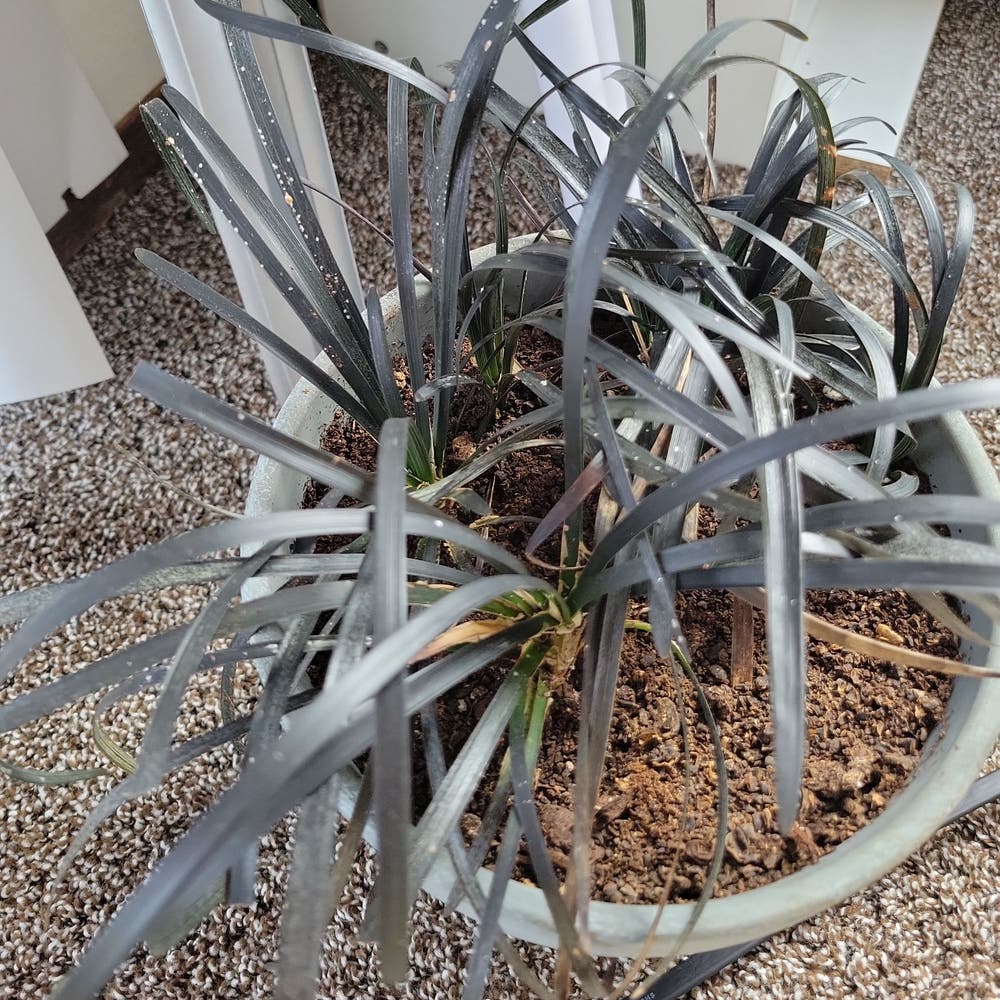
✂️ Best Tips for Pruning Black Beard
Ophiopogon planiscapus 'Black Beard'
By the Greg Editorial Team
Nov 09, 2024•4 min read
This article was created with the help of AI so we can cover more plants for you. May contain errors. See one? Report it here.
Unlock vibrant growth and stunning blooms 🌿 by mastering the art of pruning your Black Beard plant!
- 🌱 Prune Black Beard in late winter to early spring for optimal growth.
- ✂️ Look for overcrowding and damage to know when to prune.
- 🌿 Follow the one-third rule to avoid over-pruning and stress.
Timing for Pruning
Best Seasons 🌸
The best time to prune your Black Beard is during late winter to early spring. This timing allows you to cut back the plant just before new growth begins, promoting healthier blooms.
Alternatively, if your plant has flowered, you can prune after the blooming period. This method helps maintain the plant's shape and encourages future growth.
Signs That Indicate It's Time to Prune ✂️
Look for overcrowded growth as a primary sign that it's time to prune. If you notice stems crossing or rubbing against each other, it's a clear indication that some trimming is necessary.
Additionally, check for dead or damaged stems. Signs of rot or disease can compromise the plant's health and should be addressed promptly.
Unwanted leggy growth is another signal. If you see stems stretching toward light, it’s time to prune back those elongated sections to encourage a fuller appearance.
How to Assess Plant Health Before Pruning 🧐
Before you grab those shears, assess your plant's health. Check for signs of disease, such as yellowing leaves or wilting, which can indicate underlying issues.
Evaluate the overall growth of the plant. Healthy, vibrant color suggests a robust plant, while a dull appearance may signal the need for care.
Don’t forget to inspect the root system. Ensure there are no signs of root rot or pests, as these can affect the plant's recovery after pruning.
With these tips, you’ll be well-prepared to prune your Black Beard effectively, setting the stage for vibrant growth and health. Next, let’s dive into the essential practice of deadheading to keep your plant thriving.
Common Pruning Mistakes
✂️ How to Avoid Over-Pruning
Pruning can be a delicate balance, and one of the most common mistakes is over-pruning. To avoid this, adhere to the one-third rule: never remove more than one-third of the plant at a time. This helps maintain the plant's health and encourages robust growth.
Additionally, assess the growth patterns of your black beard plant. Prune selectively based on its specific needs rather than following a one-size-fits-all approach. This ensures that you’re enhancing the plant's natural shape and vitality.
🚨 Recognizing Signs of Stress After Pruning
After pruning, it's crucial to monitor your plant for signs of stress. Wilting or drooping stems can indicate shock, signaling that the plant is struggling to adjust.
Another red flag is browning leaf edges, which often point to over-pruning or environmental stress. If you notice stunted growth, it may suggest that the plant is not recovering well from the pruning process.
By being vigilant and responsive to these signs, you can ensure your black beard thrives post-pruning. This proactive approach will set the stage for healthy growth and a flourishing garden.
As you move forward with your pruning journey, remember that care and observation are key to nurturing your plants effectively.
Post-Pruning Care
How to Care After Pruning 🌱
After pruning, it's crucial to keep the soil moist but not waterlogged. This balance helps your Black Beard thrive without risking root rot.
Consistent light exposure is also essential. Ensure your plant receives the right amount of light to support new growth and recovery.
Fertilization Tips 🌿
Using a balanced fertilizer is key to rejuvenating your plant. Apply it about 2 to 4 weeks after pruning to give your Black Beard the nutrients it needs.
For ongoing health, fertilize every 4 to 6 weeks during the growing season. This regular feeding will help maintain vibrant growth and flowering.
Monitoring Plant Health 👀
Regular inspections are vital for assessing your plant's recovery. Look for new growth and any signs of stress, such as wilting or discoloration.
Be prepared to adjust your care routine as needed. Modifying watering and fertilization based on your plant's response will ensure it remains healthy and robust.
With proper post-pruning care, your Black Beard will flourish, setting the stage for the next phase of growth. Now, let's explore common pruning mistakes to avoid for optimal plant health.
⚠️ Safety First
This content is for general information and may contain errors, omissions, or outdated details. It is not medical, veterinary advice, or an endorsement of therapeutic claims.
Always consult a qualified healthcare professional before using any plant as food, medicine, or supplement.
Never eat any plant (or feed one to pets) without confirming its identity with at least two trusted sources.
If you suspect poisoning, call Poison Control (800) 222-1222, the Pet Poison Helpline (800) 213-6680, or your local emergency service immediately.
Spotted an error? Please report it here.
Transform your Black Beard into a thriving beauty 🌿 by using Greg's tailored pruning reminders and expert care tips to ensure it flourishes after every trim!