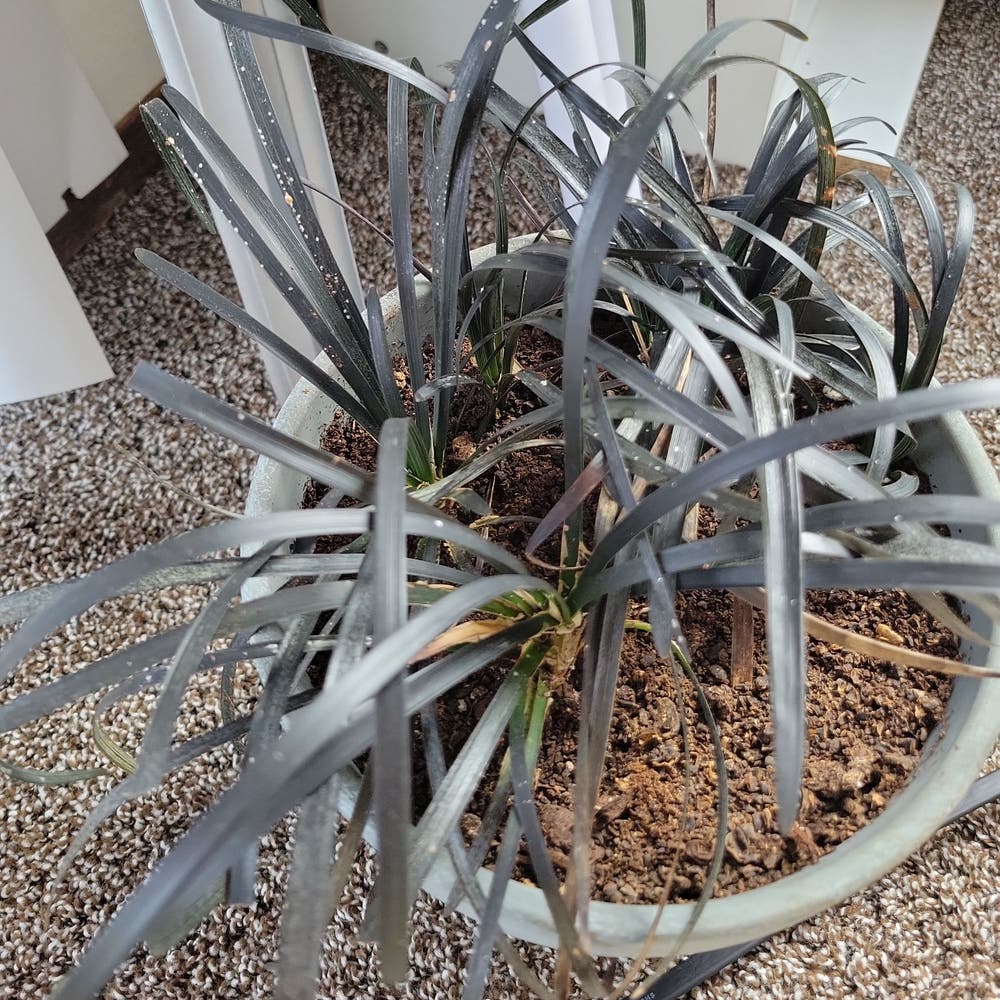
7 Factors Affecting Black Beard Flowering 🌸
Ophiopogon planiscapus 'Black Beard'
By the Greg Editorial Team
Nov 09, 2024•5 min read
This article was created with the help of AI so we can cover more plants for you. May contain errors. See one? Report it here.
Transform your Black Beard into a blooming beauty 🌼 with essential light and care tips for vibrant flowers!
- 🌞 Bright, indirect sunlight is essential for Black Beard flowering success.
- 🌱 Key nutrients like phosphorus and potassium boost blooming; fertilize every 4-6 weeks.
- ✂️ Prune after flowering to promote bushier growth and more blooms.
Light Requirements
🌞 Importance of Adequate Sunlight for Blooming
Black Beard plants flourish in bright, indirect sunlight, which is crucial for their flower development. This optimal light exposure fuels photosynthesis, resulting in strong growth and vibrant blooms.
🌗 Effects of Too Much or Too Little Light
However, balance is key. Excessive direct sunlight can scorch the leaves, causing stress and diminishing flowering potential. Conversely, inadequate light leads to leggy growth and can prevent the plant from producing flowers altogether, as it lacks the energy necessary for blooming.
Understanding these light requirements is essential for nurturing a thriving Black Beard. By ensuring the right amount of light, you set the stage for a stunning display of flowers.
Nutritional Needs
🌼 Key Nutrients for Flowering
To achieve vibrant blooms, Black Beard plants require specific nutrients, with phosphorus and potassium topping the list. These elements are essential for flower development, and using fertilizers rich in these nutrients can significantly boost both flowering and overall plant health.
⚠️ Signs of Nutrient Deficiencies Affecting Blooms
Watch for yellowing leaves and stunted growth, as these can indicate a phosphorus deficiency. If you notice poor flower quality or a lack of blooms, it might be time to check your potassium levels, as this nutrient is crucial for robust flowering.
Understanding these nutritional needs is vital for nurturing your Black Beard and ensuring it thrives. By addressing any deficiencies promptly, you can enjoy a flourishing display of flowers that truly showcases the plant's beauty.
Next, let’s explore effective pruning techniques that can further enhance your Black Beard's blooming potential.
Pruning Techniques
Best Practices for Pruning 🌿
Pruning is essential for maintaining the health of your Black Beard plant. Start by removing any dead or damaged stems, as these can hinder flowering and overall growth.
Selective pruning is another effective technique. By trimming specific areas, you can encourage bushier growth and promote more blooms, giving your plant a fuller appearance.
Timing of Pruning and Its Impact on Bloom Cycle ⏰
Timing is crucial when it comes to pruning. Ideally, you should prune after the flowering cycle to avoid disrupting bud formation, ensuring that your plant can focus its energy on blooming.
Understanding the bloom cycle is key to effective pruning. By knowing when your Black Beard typically flowers, you can determine the best time to make those necessary cuts, maximizing your plant's potential for vibrant blooms.
Environmental Stress Factors
🌡️ Temperature Fluctuations and Their Effects
Black Beard plants thrive in warm temperatures, making them sensitive to sudden drops. When temperatures fluctuate dramatically, the plant can experience stress, which often results in a failure to bloom.
Maintaining a stable temperature range is crucial for promoting healthy flowering. Aim for consistent warmth to keep your Black Beard happy and blooming beautifully.
💧 Humidity Levels and Their Role in Flower Development
Humidity plays a significant role in the health of Black Beard. High humidity levels are particularly beneficial, as they promote robust flower development and overall plant vitality.
Conversely, low humidity can lead to issues like bud drop and poor flower quality. Keeping the humidity levels optimal is key to ensuring your Black Beard flourishes with vibrant blooms.
Understanding these environmental stress factors can help you create the perfect conditions for your Black Beard to thrive. With the right temperature and humidity, you’ll be well on your way to enjoying a stunning display of flowers.
Solutions to Flowering Issues
🌼 Diagnosing Flowering Problems
How to Assess the Health of the Black Beard Plant
Regular inspections of your Black Beard plant are crucial. Look closely at the leaves and stems for any signs of stress or disease, and keep an eye on flowering patterns and overall growth.
Tools and Methods for Identifying Issues
To effectively diagnose problems, consider using soil moisture meters to check if your plant is getting the right amount of water. Additionally, conducting soil tests can help you determine nutrient levels, ensuring your plant has what it needs to thrive.
🛠️ Step-by-Step Solutions for Flowering Problems
Adjusting Light Exposure for Optimal Flowering
- Start by assessing the current light conditions your plant is receiving.
- If necessary, move the plant to a brighter location to enhance its light exposure.
- To protect it from harsh sunlight, use sheer curtains to diffuse the light.
Nutrient Supplementation Strategies
- Choose a balanced fertilizer that is high in phosphorus and potassium to support blooming.
- Apply this fertilizer during the growing season every 4-6 weeks for best results.
- Monitor your plant's response to the fertilizer and adjust your approach as needed.
Pruning Schedules and Techniques for Better Blooms
- Identify the best time to prune based on your plant's bloom cycle to avoid disrupting growth.
- Use clean, sharp tools for precise cuts, ensuring minimal damage to the plant.
- Remove only a portion of the plant to encourage bushier growth and more blooms.
🍂 Seasonal Considerations
How Seasonal Changes Affect Flowering
Understanding how seasonal changes in temperature and light can impact blooming is essential. Be prepared to adjust your care practices as the seasons transition to support your plant's flowering.
Preparing the Plant for Seasonal Transitions to Enhance Blooms
Gradually acclimate your Black Beard to changing light conditions to minimize stress. Additionally, adjust your watering and fertilization schedules to align with seasonal growth patterns, ensuring your plant remains healthy and vibrant throughout the year.
With these strategies, you can effectively address flowering issues and enjoy a thriving Black Beard plant. Next, we’ll explore how to optimize care for your plant throughout the year.
⚠️ Safety First
This content is for general information and may contain errors, omissions, or outdated details. It is not medical, veterinary advice, or an endorsement of therapeutic claims.
Always consult a qualified healthcare professional before using any plant as food, medicine, or supplement.
Never eat any plant (or feed one to pets) without confirming its identity with at least two trusted sources.
If you suspect poisoning, call Poison Control (800) 222-1222, the Pet Poison Helpline (800) 213-6680, or your local emergency service immediately.
Spotted an error? Please report it here.
Unlock a blooming paradise 🌼 for your Black Beard plant by using Greg's tailored care reminders to master light, nutrients, and humidity for vibrant flowers!