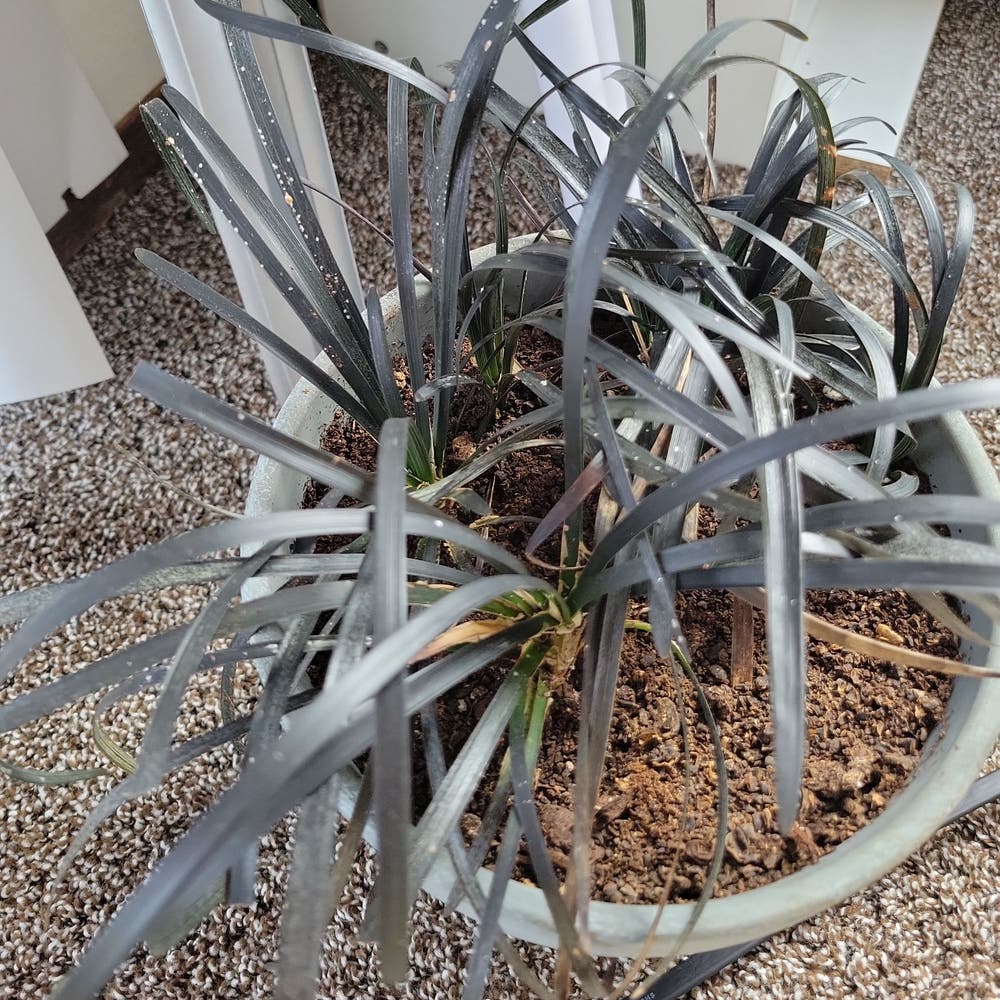
😢 Black Beard Wilting: Causes and Solutions
Ophiopogon planiscapus 'Black Beard'
By the Greg Editorial Team
Nov 09, 2024•6 min read
This article was created with the help of AI so we can cover more plants for you. May contain errors. See one? Report it here.
Rescue your wilting Black Beard plant 🌱 with essential tips for diagnosing and fixing common care issues!
- 💧🌡️ Wilting in Black Beard plants stems from water stress, heat stress, or rare diseases.
- 🌱 Signs of wilting include drooping leaves, yellowing foliage, and crispy edges.
- 🛠️ Solutions involve adjusting watering, relocating for shade, and maintaining humidity levels.
Common Causes of Wilting Leaves
💧 Water Stress
Water stress occurs when a plant receives either too little or too much water. This imbalance can lead to dehydration or root rot, both of which are detrimental to your Black Beard.
Symptoms of water stress include drooping leaves, yellowing foliage, and crispy edges. To identify the issue, check the soil moisture levels: dry soil indicates underwatering, while soggy soil suggests overwatering.
🌡️ Heat Stress
Heat stress is caused by exposure to high temperatures or direct sunlight, which can severely impact leaf health. When a plant is overheated, you may notice leaves curling or browning at the tips.
To identify heat stress, monitor the ambient temperature and light exposure. Be aware that sudden temperature changes can exacerbate wilting, making it crucial to maintain a stable environment.
🦠 Disease-Related Wilting
Disease-related wilting can manifest as wilting leaves accompanied by discoloration or spots. However, it's important to note that pathogenic wilt is rare in Black Beard plants.
Before jumping to conclusions about disease, focus on environmental factors first. Often, adjusting care practices can resolve the issue without needing to treat for disease.
Understanding these common causes of wilting leaves is essential for effective plant care. By addressing water and heat stress, as well as being vigilant about potential diseases, you can keep your Black Beard thriving. Next, let's explore how to diagnose wilting in your plants effectively.
Diagnosing Wilting
Step-by-Step Guide 🌱
Diagnosing wilting in your Black Beard plant requires a systematic approach. Start by assessing soil moisture; use a moisture meter or simply stick your finger into the soil to gauge its dampness.
Next, check the environmental conditions. Measure the temperature and humidity levels around your plant to ensure they are within the ideal range.
Inspect the leaves for any signs of pests or disease. Look closely for discoloration, spots, or any unusual textures that might indicate a problem.
Finally, evaluate your watering routine. Review how often and how much water you provide to your plant, as this can significantly impact its health.
Signs to Look for in Wilting Leaves 🍂
When diagnosing wilting, pay attention to leaf color changes. Yellowing or browning leaves are often the first indicators of distress.
Texture changes are also crucial; leaves that feel crispy or mushy can signal different issues. Additionally, observe the growth patterns; stunted growth or a leggy appearance can suggest that your plant is struggling.
By carefully following these steps and monitoring these signs, you can effectively identify the cause of wilting and take appropriate action. This proactive approach will set the stage for healthier plants and a more enjoyable gardening experience.
Solutions for Wilting
🌊 Actionable Advice for Water Stress
Underwatering can be a common culprit behind wilting leaves. To combat this, increase your watering frequency and ensure that water penetrates the root zone effectively.
On the flip side, overwatering can lead to root rot. Allow the soil to dry out completely before watering again, and consider repotting to improve drainage if necessary.
☀️ Actionable Advice for Heat Stress
If your plant is suffering from heat stress, relocating it is a simple yet effective solution. Move it to a cooler, shaded area that avoids direct sunlight.
Additionally, adjusting humidity levels can help. Increase humidity around the plant using a humidifier or a pebble tray filled with water to create a more favorable environment.
🦠 Addressing Disease-Related Wilting
Identifying the specific disease affecting your plant is crucial. Look for distinctive symptoms and consult plant care resources for guidance.
Once you’ve pinpointed the issue, treatment options become clearer. Use appropriate fungicides or insecticides if pests or diseases are confirmed to help your plant recover.
By addressing these common causes of wilting, you can help your Black Beard thrive again. Next, let’s explore preventive measures to minimize future wilting episodes.
Preventive Measures
Tips to Minimize Future Wilting Episodes 🌱
To keep your Black Beard thriving, establish a consistent watering schedule. Adjust your routine based on seasonal changes to ensure your plant gets just the right amount of moisture.
Regularly check environmental conditions, too. Monitoring temperature and humidity can help you catch any fluctuations that might stress your plant before they lead to wilting.
Environmental Adjustments for Optimal Growth 🌿
Maintaining humidity levels between 40-60% is crucial for your plant's health. This range helps prevent wilting and promotes lush growth.
Temperature matters as well. Aim to keep your Black Beard in a cozy environment, ideally between 18°C to 24°C (65°F to 75°F). This temperature range supports optimal growth and minimizes stress.
By implementing these preventive measures, you'll create a nurturing environment that helps your Black Beard flourish. With the right care, you can enjoy a vibrant, healthy plant for years to come.
Next, let’s explore effective techniques for reviving a wilted plant.
Reviving a Wilted Plant
🌊 Techniques for Bottom Watering
Bottom watering is a gentle way to revive your wilted plant.
- Place the pot in a basin of water for 30 minutes.
- Allow the soil to absorb moisture from the bottom up.
- Remove the pot and let any excess water drain away.
This method encourages deep root hydration without overwhelming the plant.
🌱 Relocating the Plant for Better Conditions
Sometimes, a change of scenery is all your plant needs.
Identify a spot with indirect light and stable temperatures to help it recover.
Gradually acclimate the plant to new conditions to avoid shock, ensuring it adjusts comfortably.
✂️ Pruning Damaged Leaves Effectively
Pruning can significantly aid in the revival process.
- Use clean, sharp scissors to cut away wilted or damaged leaves.
- Make cuts at the base of the stem to encourage new growth.
- Dispose of cuttings properly to prevent disease spread.
This not only improves the plant's appearance but also allows it to focus energy on healthy growth.
Reviving a wilted plant can be a rewarding experience. With the right techniques, you can restore its vitality and enjoy its beauty once again. Next, let’s explore when it’s time to seek help for persistent issues.
When to Seek Help
🆘 Signs That Require Expert Assistance
If your Black Beard plant continues to wilt despite your best efforts, it may be time to call in the experts. Persistent wilting, even after adjusting watering and environmental conditions, signals that something more serious might be at play.
Additionally, if you notice unidentified pests or diseases that don’t respond to your treatments, seeking help is crucial. Ignoring these signs can lead to further damage and complications.
📚 Resources for Assistance
Local nurseries can be a goldmine of information. Knowledgeable staff are often eager to share their expertise and provide tailored advice for your specific plant issues.
Online communities, like Greg, offer a platform to connect with fellow plant enthusiasts. Engaging with these groups can provide you with personalized solutions and support from those who share your passion for plant care.
By reaching out for help, you can ensure your Black Beard plant gets the care it needs to thrive. Don't hesitate to seek assistance when you're feeling stuck!
⚠️ Safety First
This content is for general information and may contain errors, omissions, or outdated details. It is not medical, veterinary advice, or an endorsement of therapeutic claims.
Always consult a qualified healthcare professional before using any plant as food, medicine, or supplement.
Never eat any plant (or feed one to pets) without confirming its identity with at least two trusted sources.
If you suspect poisoning, call Poison Control (800) 222-1222, the Pet Poison Helpline (800) 213-6680, or your local emergency service immediately.
Spotted an error? Please report it here.
Keep your Black Beard plant thriving 🌱 by using Greg for tailored watering reminders and expert tips to tackle wilting from water or heat stress!