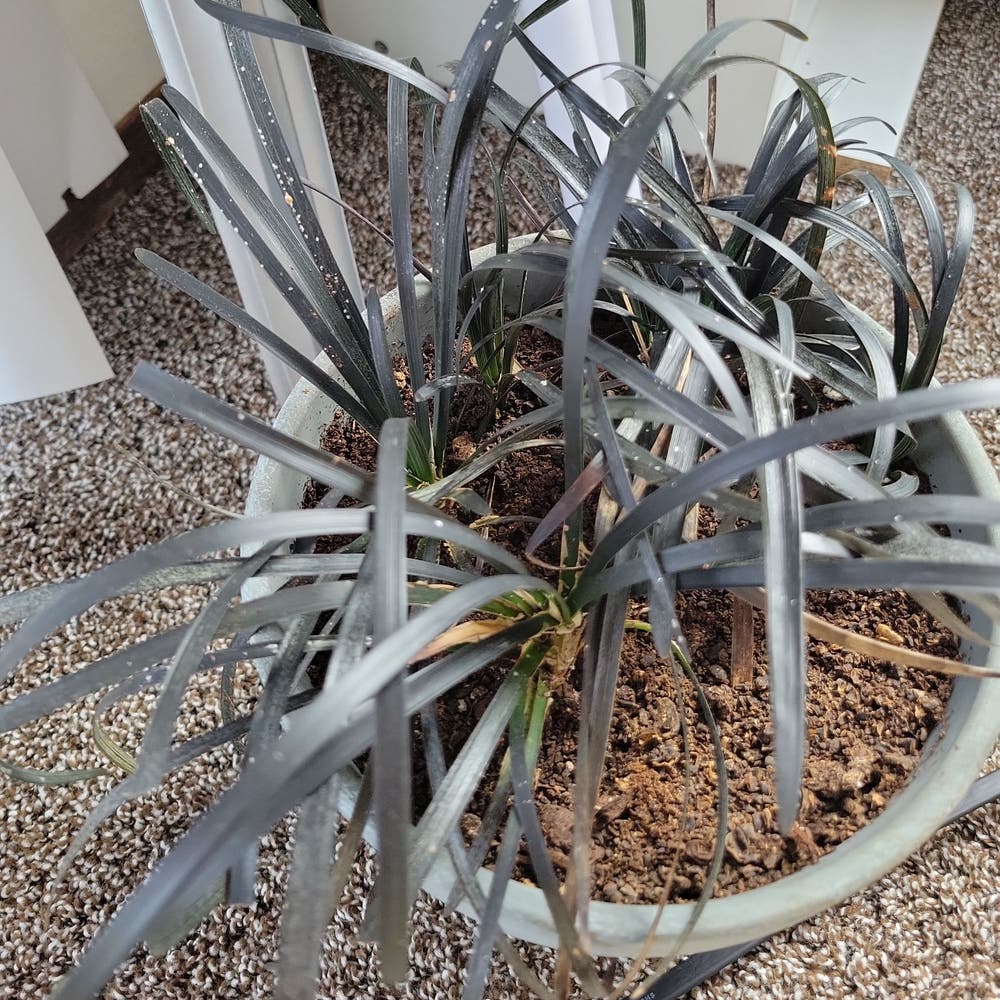
💧 Humidity Needs for Your Black Beard
Ophiopogon planiscapus 'Black Beard'
By the Greg Editorial Team
Nov 09, 2024•5 min read
This article was created with the help of AI so we can cover more plants for you. May contain errors. See one? Report it here.
Keep your Black Beard plant thriving 🌿 by mastering humidity control for vibrant growth all year round! 🌧️
- 🌬️ Optimal humidity for Black Beard is 60%-80% for healthy growth.
- 🚫🌿 Low humidity causes leaf curling; high humidity risks mold and rot.
- 📏 Use a hygrometer to monitor humidity and ensure your plant thrives.
Ideal Humidity Levels
Optimal Range 🌿
For your Black Beard plant to thrive, aim for a relative humidity level between 60% and 80%. This range is crucial for maintaining healthy leaves and ensuring the overall vigor of your plant.
Keeping humidity within this optimal range helps prevent stress and promotes robust growth. A well-hydrated plant is not only more resilient but also more visually appealing.
Monitoring Levels 📊
To accurately monitor humidity, invest in a hygrometer. This tool provides precise readings, allowing you to maintain the ideal conditions for your plant.
Consistent monitoring is essential to prevent stress on your Black Beard. Regular checks ensure that your plant remains in its comfort zone, promoting healthy growth and vitality.
With the right humidity levels and diligent monitoring, your Black Beard will flourish, setting the stage for the next section on the effects of low and high humidity.
Effects of Low and High Humidity
Low Humidity Symptoms 🌵
Low humidity can be detrimental to your Black Beard plant. You may notice leaf curling and browning, which are clear signs of stress.
Additionally, a dry environment weakens the plant's defenses, making it more susceptible to pests and diseases. This vulnerability can lead to further complications if not addressed promptly.
High Humidity Symptoms 💧
On the flip side, high humidity poses its own set of challenges. The increased moisture in the air can lead to fungal issues, raising the risk of mold and mildew.
Moreover, excessive humidity can cause leaf rot, which damages the plant's structure and overall health. It's crucial to find a balance to keep your Black Beard thriving.
Understanding these symptoms will help you maintain optimal humidity levels, ensuring your plant remains healthy and vibrant.
Local Humidity Considerations
🌧️ Assessing Local Levels
Understanding your local humidity levels is crucial for the health of your Black Beard plant. You can assess humidity by checking local weather reports or using personal hygrometers for precise readings.
Regularly monitoring these levels helps you tailor your care routine effectively. This awareness allows you to anticipate changes and make necessary adjustments to keep your plant thriving.
🍂 Seasonal Variations
Humidity levels fluctuate throughout the year, impacting indoor environments significantly. During winter, for example, indoor heating can dry out the air, while summer may bring higher humidity levels.
To adapt your care, consider adjusting your watering schedule and humidity management techniques based on the season. This proactive approach ensures your Black Beard remains healthy and vibrant year-round.
By staying attuned to local conditions and seasonal changes, you can provide the optimal environment your plant needs to flourish.
Strategies for Managing Humidity
🌧️ Boosting Humidity
Maintaining the right humidity levels for your Black Beard is crucial for its health. Here are some effective strategies to increase humidity around your plant.
Using Humidifiers
Humidifiers are a fantastic way to boost humidity. Opt for ultrasonic or evaporative models, and set them to maintain a humidity level between 60% and 80%.
Grouping Plants Together
Another simple method is to group your plants. This creates a microenvironment where moisture is shared, helping to elevate humidity levels naturally.
Pebble Trays and Water Bowls
You can also use pebble trays or water bowls. Place a tray filled with pebbles and water beneath your plant pot, ensuring the pot doesn’t sit directly in the water. This setup allows evaporation to increase humidity around your plant.
Misting Techniques
Misting can be beneficial, but it’s essential to do it correctly. Lightly mist your plant in the morning to allow leaves to dry throughout the day, preventing mold growth. Avoid over-misting, as this can lead to fungal issues.
🌬️ Reducing Humidity
If humidity levels are too high, it’s vital to take action to protect your Black Beard. Here are some effective methods to reduce humidity.
Air Circulation Techniques
Improving air circulation is key. Use fans to promote airflow around your plants, which helps to lower humidity and prevent stagnant air that can lead to mold.
Choosing the Right Location
Selecting the right location for your plant can also make a difference. Identify areas in your home that naturally have lower humidity, such as near air vents or in well-ventilated rooms.
Using Dehumidifiers
When humidity levels are persistently high, consider using a dehumidifier. These devices can effectively lower humidity levels, especially in enclosed spaces. Set it to maintain a comfortable range for your plants.
By implementing these strategies, you can create an optimal environment for your Black Beard, ensuring it thrives. Next, we’ll explore how to monitor humidity effectively to maintain these ideal conditions.
Monitoring Humidity
📏 Tools for Measurement
To keep your Black Beard thriving, accurate measurement of humidity is essential. Invest in a hygrometer or moisture meter to monitor the humidity levels effectively.
Regular checks are crucial for maintaining optimal conditions. These tools help you ensure your plant is in the ideal humidity range, preventing stress and promoting healthy growth.
🚨 Signs of Humidity Stress
Recognizing the signs of humidity stress can save your plant from serious damage. Look for indicators like leaf discoloration, wilting, or curling, which signal that your Black Beard needs immediate attention.
Timely intervention is key to restoring humidity levels and reviving your plant's health. By addressing these symptoms quickly, you can help your Black Beard flourish once again.
Understanding how to monitor humidity effectively sets the foundation for successful plant care. Next, we’ll explore local humidity considerations to further enhance your plant's environment.
⚠️ Safety First
This content is for general information and may contain errors, omissions, or outdated details. It is not medical, veterinary advice, or an endorsement of therapeutic claims.
Always consult a qualified healthcare professional before using any plant as food, medicine, or supplement.
Never eat any plant (or feed one to pets) without confirming its identity with at least two trusted sources.
If you suspect poisoning, call Poison Control (800) 222-1222, the Pet Poison Helpline (800) 213-6680, or your local emergency service immediately.
Spotted an error? Please report it here.
Ensure your Black Beard thrives by keeping humidity levels between 60% and 80%—with Greg's tailored reminders and tips, you'll achieve lush growth 🌿 effortlessly!