🏴☠️ Step-by-Step Guide to Companion Planting with Black Beard
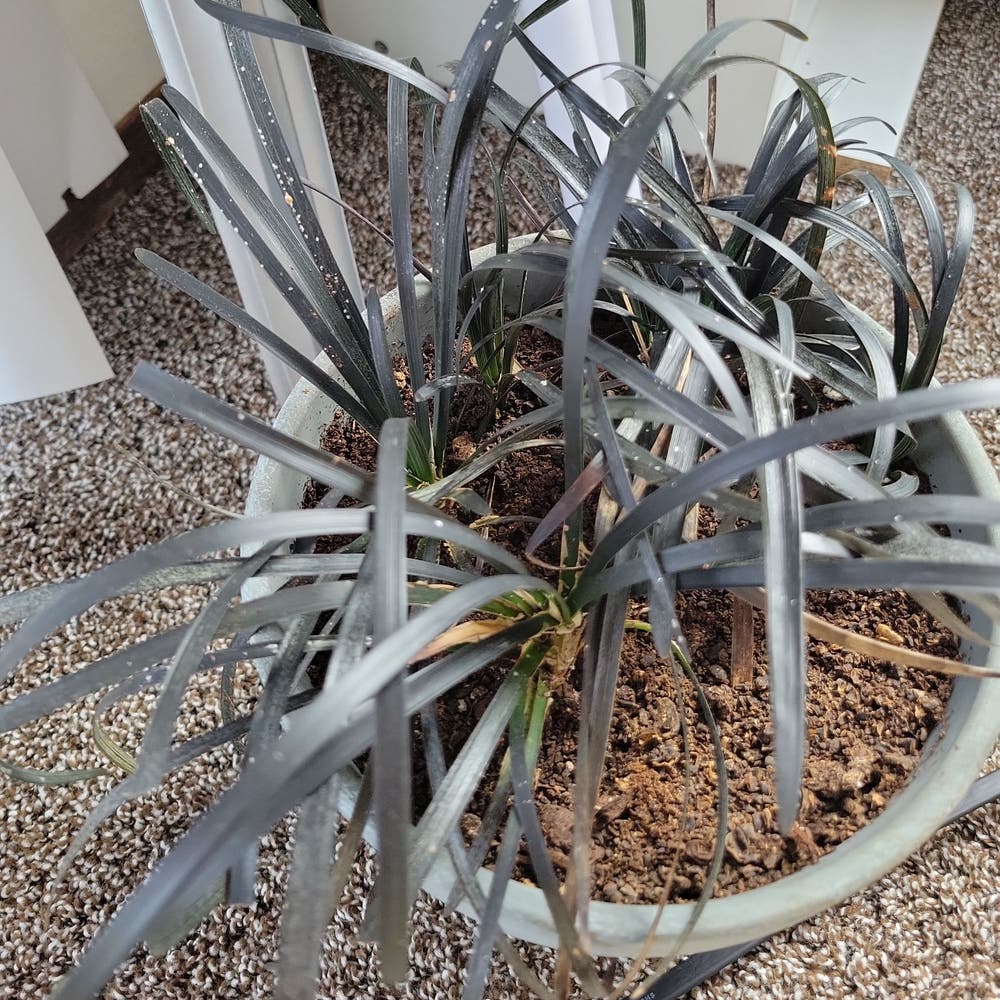
Ophiopogon planiscapus 'Black Beard'
By the Greg Editorial Team
Nov 09, 2024•5 min read
This article was created with the help of AI so we can cover more plants for you. May contain errors. See one? Report it here.
Boost your Black Beard's health 🌱 with these vibrant companion plants for a thriving garden ecosystem!
- 🌱 Companion planting with Black Beard boosts health and aesthetics through compatible plant selection.
- 🌼 Marigolds and basil attract pollinators and repel pests, enhancing garden vitality.
- 🌿 Avoid fennel and potatoes near Black Beard to prevent nutrient competition and pest issues.
Best Companion Plants for Black Beard
🌼 Plant 1: Marigold
Marigolds are a gardener's best friend, boasting bright, vibrant flowers that attract pollinators. Their strong scent acts as a natural deterrent against nematodes and other pests, making them a must-have companion for Black Beard.
These cheerful blooms not only repel pests but also reduce aphid populations, keeping your garden healthy. Plus, their contrasting colors against Black Beard's foliage add a delightful visual appeal.
🌿 Plant 2: Basil
Basil is an aromatic herb that thrives alongside Black Beard, sharing similar water and light requirements. It flourishes in well-draining soil with moderate moisture, making it an ideal companion.
Beyond its culinary uses, basil enhances the flavor of nearby plants and repels pesky flies and mosquitoes. Its lush greenery adds aesthetic value, enriching your garden's overall look.
🌸 Plant 3: Nasturtium
Nasturtiums bring a burst of color with their brightly colored flowers and edible leaves. They thrive in similar soil conditions as Black Beard, ensuring compatibility in your garden.
These vibrant plants attract beneficial insects like ladybugs while deterring aphids, creating a balanced ecosystem. Their visual interest and edible nature make them a fantastic addition to your garden design.
🌱 Explanation of Why These Plants Thrive with Black Beard
The selected companion plants thrive alongside Black Beard due to their similar care needs. They all prefer comparable light and soil conditions, ensuring harmonious growth.
Each plant also offers unique pest-repellent properties, significantly reducing the likelihood of infestations. Additionally, the combination of colors and textures enhances the overall beauty of your garden, creating a stunning visual landscape.
By incorporating these companion plants, you not only support Black Beard's health but also cultivate a vibrant and thriving garden.
Plants to Avoid Near Black Beard
🚫 List of Plants to Avoid
When planning your garden with Black Beard, it's crucial to steer clear of certain plants. The following should be avoided:
- Fennel
- Potatoes
- Cabbage family (e.g., broccoli, cauliflower)
❓ Reasons for Avoidance
Understanding why these plants are not ideal companions can help you maintain a thriving garden.
⚔️ Competition for Nutrients
Fennel, potatoes, and members of the cabbage family can compete for essential nutrients in the soil. This competition can hinder Black Beard's growth, as it relies on a rich nutrient supply for optimal health.
🐞 Pest Attraction
Some of these plants have a tendency to attract pests that could also target Black Beard. This increased vulnerability can lead to infestations, making it harder to maintain a healthy garden ecosystem.
By avoiding these plants, you can create a more harmonious environment for Black Beard to flourish. Next, let’s explore how companion planting can effectively manage pests that may threaten your garden.
Pest Management through Companion Planting
🌱 How Companion Plants Can Help Manage Pests Affecting Black Beard
Companion plants serve as a natural defense system for Black Beard, creating barriers that deter pests. By strategically placing these plants, you can significantly reduce direct attacks on your prized Black Beard.
Additionally, companion plants attract beneficial insects that prey on common garden pests. This not only enhances the health of your garden but also promotes a balanced ecosystem.
🌼 Examples of Pest-Repelling Companion Plants
Marigolds: These vibrant flowers are known for their ability to deter nematodes and aphids. Their strong scent acts as a natural repellent, keeping harmful pests at bay.
Basil: This aromatic herb does more than just enhance your culinary creations; it also repels flies and mosquitoes. Planting basil near Black Beard can create a protective shield against these pesky insects.
Nasturtium: With its bright flowers and edible leaves, nasturtium is a dual-purpose plant. It attracts beneficial insects while repelling aphids, making it a fantastic companion for Black Beard.
By incorporating these pest-repelling plants, you can create a thriving garden environment that supports the health and beauty of Black Beard. This approach not only minimizes pest issues but also enriches your gardening experience.
As you explore the next section, consider how to create a diverse garden that complements your Black Beard and enhances its growth potential.
Creating a Diverse Garden with Black Beard
🌱 Strategies for Incorporating Diversity in Planting
To create a thriving garden with Black Beard, consider mixing various companion plants. This layering approach not only maximizes space but also creates a visually appealing garden structure.
Rotating companion plants seasonally is another effective strategy. This practice helps maintain soil health and prevents pest buildup, ensuring your garden remains vibrant and productive.
🌼 Benefits of a Diverse Garden Ecosystem
A diverse garden ecosystem significantly increases resilience against diseases and pests. By incorporating a variety of plants, you create a natural balance that can withstand environmental challenges.
Additionally, a diverse garden enhances pollination and supports a wider range of beneficial insects. This not only boosts plant health but also contributes to a thriving ecosystem that benefits all your garden's inhabitants.
In summary, embracing diversity in your garden with Black Beard fosters a healthier, more resilient environment. This approach not only beautifies your space but also enriches the overall gardening experience. Next, let’s explore how companion plants can effectively manage pests affecting Black Beard.
⚠️ Safety First
This content is for general information and may contain errors, omissions, or outdated details. It is not medical, veterinary advice, or an endorsement of therapeutic claims.
Always consult a qualified healthcare professional before using any plant as food, medicine, or supplement.
Never eat any plant (or feed one to pets) without confirming its identity with at least two trusted sources.
If you suspect poisoning, call Poison Control (800) 222-1222, the Pet Poison Helpline (800) 213-6680, or your local emergency service immediately.
Spotted an error? Please report it here.
Elevate your garden's health and beauty with companion planting magic 🌼—let Greg guide you with tailored care tips to help your Black Beard and its companions thrive together!