🌵 Step-by-Step Guide for When to Plant Pale Coryphantha
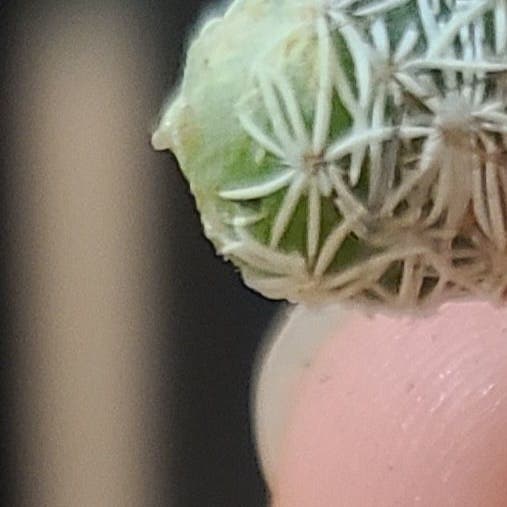
Coryphantha pallida
By the Greg Editorial Team
Sep 28, 2024•11 min read
This article was created with the help of AI so we can cover more plants for you. May contain errors. See one? Report it here.
Unlock your garden's potential by mastering frost dates for thriving Pale Coryphantha! 🌱
- ❄️ Plant Pale Coryphantha after the last frost date for optimal growth.
- 🌡️ Ideal soil temperature for planting is between 70°F to 85°F (21°C to 29°C).
- 🌞 Aim for 12-14 hours of daylight to enhance germination and blooming.
Importance of Frost Dates
Definition of Frost Dates 🌨️
Frost dates are critical markers in gardening. They include the last frost date in spring and the first frost date in fall, guiding when to plant your Pale Coryphantha.
Impact of Frost on Growth ❄️
Understanding frost sensitivity is essential for successful planting. Pale Coryphantha thrives when planted after the last frost date, ensuring optimal growth and health.
Frost can damage young plants, stunting their development or even killing them. Timing your planting correctly can make all the difference in achieving a vibrant, flourishing garden.
By waiting until the danger of frost has passed, you set your plants up for success. This simple step can lead to a more robust and fruitful growing season.
Soil Temperature Considerations
Ideal Soil Temperature for Planting 🌱
For Pale Coryphantha, the ideal soil temperature ranges from 70°F to 85°F (21°C to 29°C). This temperature range is crucial for promoting healthy root development and overall plant vigor.
Methods to Measure Soil Temperature 🌡️
To ensure your soil is within the optimal range, using a soil thermometer is essential. Insert the thermometer about 2-4 inches into the soil for an accurate reading, ideally in the morning when the sun hasn’t yet warmed the surface.
Make sure to check multiple spots in your garden, as soil temperature can vary. If you find that your soil is too cool, consider using black plastic or mulch to warm it up before planting.
By monitoring soil temperature closely, you can set your Pale Coryphantha up for success. This attention to detail will help you achieve a thriving garden that flourishes throughout the growing season.
As you prepare for planting, remember that soil temperature is just one piece of the puzzle. Next, we’ll explore how day length impacts the growth of your plants.
Day Length and Growth
🌞 How Day Length Affects Growth
Day length plays a crucial role in the growth and blooming of Pale Coryphantha. These cacti respond to specific light durations, which can significantly influence their flowering patterns.
🌱 Recommended Day Length for Successful Germination and Growth
For optimal germination and growth, aim for a day length of at least 12 to 14 hours. This ensures that the plants receive enough light to thrive, promoting healthy development and vibrant blooms.
Understanding the interplay between day length and plant growth can help you time your planting perfectly. With the right conditions, your Pale Coryphantha can flourish beautifully, setting the stage for a successful gardening season.
As you consider these factors, remember that each region may have unique light conditions. This knowledge will guide you in making informed decisions about when to plant and how to care for your cacti.
Next, let’s explore regional planting considerations to tailor your approach based on your specific location.
Regional Planting Considerations
Ideal Planting Months for Key States 🌱
When it comes to planting Pale Coryphantha, timing is everything. Different regions have unique climates that dictate the best months for planting.
Florida: March to April
In Florida, the warm climate allows for an early start. Planting during March to April ensures that your Pale Coryphantha can thrive before the summer heat kicks in.
California: April to May
California's diverse climate means April to May is ideal for most areas. This timing allows for optimal growth as temperatures begin to stabilize.
Texas: March to April
Texas gardeners should aim for March to April. The early spring months provide a perfect window for planting before the intense heat of summer arrives.
New York: May to June
In New York, wait until May to June for planting. This timing helps avoid late frosts and gives your plants a chance to establish before the summer.
Colorado: June to July
Colorado's cooler climate means June to July is the best time. By this period, the risk of frost has passed, allowing for a successful planting season.
Ohio: May to June
For Ohio, May to June is optimal. This timeframe ensures that your Pale Coryphantha can grow without the threat of frost damaging young plants.
Understanding these regional planting considerations will set you up for success. With the right timing, your Pale Coryphantha will flourish in its new home. Next, let’s explore seed starting techniques to further enhance your planting strategy.
Seed Starting Techniques
Indoor Seed Starting vs. Direct Sowing 🌱
When it comes to planting Pale Coryphantha, you have two main options: indoor seed starting and direct sowing. Indoor seed starting offers a controlled environment, allowing for earlier germination and a better chance of success.
On the other hand, direct sowing lets you take advantage of natural conditions. This method often results in less transplant shock, making it a favorite for many gardeners.
Timing Considerations for Indoor Seed Starting ⏰
Start seeds indoors 6-8 weeks before the last frost date. This timing ensures that your plants are ready to thrive once the weather warms up.
Create ideal indoor conditions by maintaining temperatures between 70°F to 85°F (21°C to 29°C) and providing adequate light. This setup mimics the perfect spring environment for your seeds.
Timing Considerations for Direct Sowing 🌍
For direct sowing, wait until the soil temperature reaches 70°F (21°C). This ensures that the seeds have the warmth they need to germinate effectively.
Always plant after the last frost date for the best results. This timing helps protect your seeds from unexpected cold snaps.
By understanding these seed starting techniques, you can maximize your chances of growing healthy Pale Coryphantha. Next, let’s explore the ideal planting months for different regions to further refine your planting strategy.
Comprehensive Planting Guide
List of All 52 States and Optimal Planting Times 🌱
Understanding the best times to plant Pale Coryphantha can make all the difference in your gardening success. Below is a detailed table that outlines the recommended planting months for each state, taking into account local climate and frost dates.
| State | Optimal Planting Months |
|---|---|
| Florida | March to April |
| California | April to May |
| Texas | March to April |
| New York | May to June |
| Colorado | June to July |
| Ohio | May to June |
| Alabama | March to April |
| Arizona | April to May |
| Arkansas | April to May |
| Georgia | March to April |
| Illinois | May to June |
| Indiana | May to June |
| Iowa | May to June |
| Kansas | April to May |
| Kentucky | April to May |
| Louisiana | March to April |
| Maine | June to July |
| Maryland | April to May |
| Massachusetts | May to June |
| Michigan | May to June |
| Minnesota | June to July |
| Mississippi | March to April |
| Missouri | April to May |
| Montana | June to July |
| Nebraska | May to June |
| Nevada | April to May |
| New Hampshire | May to June |
| New Jersey | April to May |
| New Mexico | April to May |
| North Carolina | March to April |
| North Dakota | June to July |
| Ohio | May to June |
| Oklahoma | March to April |
| Oregon | April to May |
| Pennsylvania | May to June |
| Rhode Island | May to June |
| South Carolina | March to April |
| South Dakota | June to July |
| Tennessee | March to April |
| Texas | March to April |
| Utah | April to May |
| Vermont | June to July |
| Virginia | April to May |
| Washington | April to May |
| West Virginia | April to May |
| Wisconsin | May to June |
| Wyoming | June to July |
Considerations for Each State 🌍
When planning your planting schedule, consider local climate variations. For instance, states with milder winters, like Florida and Texas, allow for earlier planting. Conversely, northern states like Minnesota and North Dakota require waiting until later in the season.
Understanding your specific region's frost dates and climate conditions will help you make informed decisions. This knowledge not only enhances your gardening experience but also boosts the chances of a thriving Pale Coryphantha.
With this comprehensive guide, you're now equipped to choose the best planting times for your state. Next, let’s explore effective seed starting techniques to ensure your Pale Coryphantha thrives from the very beginning.
⚠️ Safety First
This content is for general information and may contain errors, omissions, or outdated details. It is not medical, veterinary advice, or an endorsement of therapeutic claims.
Always consult a qualified healthcare professional before using any plant as food, medicine, or supplement.
Never eat any plant (or feed one to pets) without confirming its identity with at least two trusted sources.
If you suspect poisoning, call Poison Control (800) 222-1222, the Pet Poison Helpline (800) 213-6680, or your local emergency service immediately.
Spotted an error? Please report it here.
Plant your Pale Coryphantha at the right time 🌞 with Greg's tailored frost date alerts and soil temperature tips, ensuring your garden flourishes beautifully!