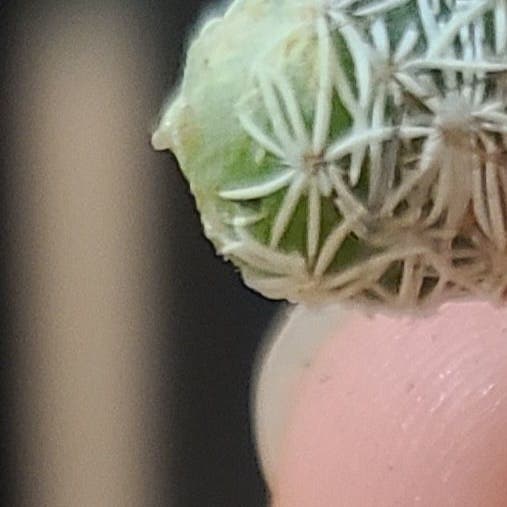
Why Are My Coryphantha pallida Leaves Turning Yellow? 💛
Coryphantha pallida
By the Greg Editorial Team
Apr 13, 2024•3 min read
This article was created with the help of AI so we can cover more plants for you. May contain errors. See one? Report it here.
Save your Coryphantha pallida from yellow peril 🌵 by mastering the art of perfect plant care!
- 💧 Balance watering to prevent yellow leaves—neither too wet nor too dry.
- ☀️🌡️ Manage light and temperature to avoid yellowing from environmental stress.
- 📋 Consistent care and monitoring are key to maintaining healthy green leaves.
Spotting Trouble: Identifying Yellow Leaves
🚨 Recognizing Early Signs
Yellowing leaves on your Coryphantha pallida can be subtle at first. Look for a pale, lackluster hue replacing the usual vibrant green. This could be your plant's way of signaling that all is not well.
🚨 Advanced Yellowing
As the issue progresses, yellowing becomes more pronounced. Entire leaves may turn yellow, potentially indicating a systemic problem. If left unchecked, this can lead to the plant's decline.
Root of the Problem: Common Causes of Yellowing
💧 Water Woes
Overwatering turns your Coryphantha pallida's life aquatic into a nightmare. Roots need to breathe, and too much water drowns the party. Check the soil: if it's soggy, it's a red flag. Conversely, underwatering is just as bad. Leaves will droop, begging for a drink. Aim for moist, not marshy, and let the top inch dry out before the next watering.
🌞 Light and Temperature Tango
Coryphantha pallida doesn't like to sunbathe too much. Too much sun scorches leaves, turning them yellow. Find that sweet spot of bright, indirect light. Temperature swings are like mood swings; they upset your plant. Keep it in a stable, warm environment to avoid yellowing leaves due to stress.
🌱 Soil and Substance
Soil is the unsung hero. Poor drainage and compacted soil are like tight shoes; they make your plant's roots uncomfortable. Ensure good aeration and drainage. Nutrient deficiencies show up as yellowing leaves, so keep an eye out. A soil test can help you adjust with the right fertilizer. Remember, balance is key.
Fixing the Fade: Addressing Yellow Leaves
Let's dive into reviving your Coryphantha pallida's yellow leaves.
💧 Tweaking Watering Techniques
Check the soil's moisture by feeling a couple of inches down. If it's dry, water until it drains out the bottom, then stop. Aim for a weekly watering, but be ready to adjust based on your plant's reaction and environmental factors.
🌞 Light and Temperature Adjustments
Coryphantha pallida craves sunlight but despises sunburns. Position it for bright, indirect light and maintain a warm, consistent temperature. Rotate the plant occasionally to ensure even exposure.
🌱 Soil Solutions
If your plant's soil is the culprit, it's time for an intervention. Mix in perlite or coco coir to enhance drainage. Consider a balanced fertilizer, but don't go overboard—nutrient overload can be just as harmful as deficiency.
Prevention: Keeping the Green In
💡 Consistent Care Schedule
Establishing a routine is crucial for the health of your Coryphantha pallida. Like setting an alarm, create a care schedule that caters to the plant's needs. Watering should be as regular as your morning routine, adapting to the soil's dryness level. Seasonal adjustments are key.
💡 Monitoring and Adjusting
Stay vigilant with your plant care. Regular check-ups can catch early signs of distress, allowing for timely adjustments. Keep a log of your plant's condition and the care you provide, helping you track what works and what doesn't. This proactive approach is like being a plant detective, always on the case to ensure your Coryphantha pallida's well-being.
⚠️ Safety First
This content is for general information and may contain errors, omissions, or outdated details. It is not medical, veterinary advice, or an endorsement of therapeutic claims.
Always consult a qualified healthcare professional before using any plant as food, medicine, or supplement.
Never eat any plant (or feed one to pets) without confirming its identity with at least two trusted sources.
If you suspect poisoning, call Poison Control (800) 222-1222, the Pet Poison Helpline (800) 213-6680, or your local emergency service immediately.
Spotted an error? Please report it here.
Prevent yellowing in your Coryphantha pallida by letting Greg tailor a care schedule 📅 that optimizes watering, lighting, and temperature for your spiky friend's needs.