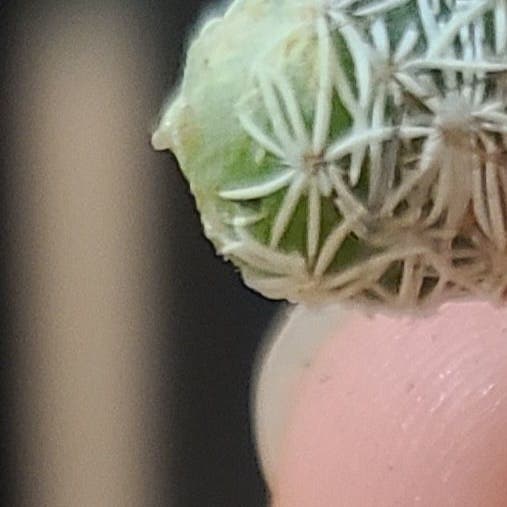
🌵 4 Winter Care Mistakes to Avoid with Pale Coryphantha
Coryphantha pallida
By the Greg Editorial Team
Sep 28, 2024•5 min read
This article was created with the help of AI so we can cover more plants for you. May contain errors. See one? Report it here.
Ensure your Pale Coryphantha thrives this winter 🌵 with essential care tips to avoid common mistakes!
- 💧 Water Pale Coryphantha only every 4-6 weeks in winter to prevent overwatering.
- ❄️ Frost protection is crucial; cover plants during cold snaps to avoid damage.
- 🌱 Avoid fertilizing in winter; wait until spring for nutrient support.
Characteristics of Winter Growth Patterns
Growth Cessation and Water Requirements 🌊
During winter, Pale Coryphantha experiences a significant slowdown in growth. This dormancy is crucial for the plant's survival, as it conserves energy and resources.
Water requirements also drop dramatically during this period. Unlike the active growth phases, where regular watering is essential, winter calls for much less moisture—typically, you should water only once every 4 to 6 weeks.
Cold Hardiness and Adaptations ❄️
Pale Coryphantha is equipped with remarkable adaptations that allow it to thrive in harsh, cold environments. Its cold hardiness ensures that it can withstand freezing temperatures, making it a resilient choice for winter gardening.
These adaptations are vital for survival, enabling the plant to endure periods of dormancy without succumbing to the elements. Understanding these characteristics helps you provide the best care during the winter months.
With a solid grasp of these growth patterns, you're better prepared to avoid common winter care mistakes. Next, let’s explore the critical errors to steer clear of during this dormant season.
Winter Care Mistakes to Avoid
💧 Overwatering During Dormancy
Overwatering is a common mistake that can lead to root rot and fungal infections in Pale Coryphantha. During dormancy, these plants require significantly less water, so it's crucial to adjust your watering routine.
Look for signs of overwatering, such as yellowing leaves, mushy stems, and wilting. To prevent these issues, water your plant only once every 4-6 weeks, depending on the humidity levels in your environment.
❄️ Insufficient Frost Protection
Pale Coryphantha are vulnerable to frost, especially their spines, which can be damaged at temperatures below freezing. Without proper frost protection, you may notice blackened or mushy areas on your plant, indicating frost damage.
Implementing frost protection is essential for preventing long-term damage and promoting healthy recovery. Simple measures like covering your plants during cold snaps can make a significant difference.
🏠 Neglecting Indoor Care
Indoor care for Pale Coryphantha can differ greatly from outdoor care. Low light and dry air are common issues that can stress your plant, leading to poor health.
To combat these challenges, rotate your plants for even light exposure and monitor humidity levels. Keeping a close eye on these factors can help your indoor plants thrive during the winter months.
As you navigate these winter care mistakes, remember that adjusting your practices can lead to a healthier, more resilient Pale Coryphantha. Next, let's explore how to adjust your care practices for winter effectively.
Adjusting Care Practices for Winter
💧 Watering Schedule Adjustments
Establishing a winter watering routine is crucial for the health of your Pale Coryphantha. Use a moisture meter to check soil dryness, ensuring you only water when necessary.
Allow the soil to dry out completely between waterings. This practice helps mimic the plant's natural dormancy period, preventing overwatering.
Adequate drainage is essential. Ensure your pots have drainage holes to prevent water accumulation, which can lead to root rot.
❄️ Fertilizing Practices During Winter
A general guideline for winter care is to avoid fertilizing during dormancy. This helps prevent nutrient buildup that could harm your plant.
However, if you notice unexpected growth, you can use a diluted, balanced fertilizer. This approach provides essential nutrients without overwhelming the plant.
Maintaining a proper nutrient balance is vital. It ensures your Pale Coryphantha remains healthy and ready for the active growing season ahead.
By adjusting your care practices for winter, you set the stage for a thriving plant come spring. Next, let’s explore effective protection strategies to safeguard your Pale Coryphantha from harsh winter conditions.
Protection Strategies
🌨️ Methods for Frost Protection
When winter hits, protecting your Pale Coryphantha from frost is crucial. Use frost cloths or blankets during cold snaps to shield your plants from harsh temperatures.
Indoor plants also need attention. Keep them away from drafty windows and heating vents to maintain a stable environment.
Acclimatization is key for outdoor plants. Gradually introduce them to outdoor conditions in spring to help them adjust without shock.
🏠 Indoor vs. Outdoor Winter Care
Indoor care requires a focus on stable temperatures and humidity levels. Ensure your indoor environment mimics the plant's natural habitat as closely as possible.
For outdoor plants, stay vigilant. Monitor weather forecasts and prepare for sudden temperature drops to prevent frost damage.
Location matters! Choose sheltered spots for your outdoor plants to minimize their exposure to frost and harsh winds.
By implementing these protection strategies, you can help your Pale Coryphantha thrive through the winter months. Next, let’s explore how to adjust care practices as the seasons change.
Spring Preparation and Recovery
🌨️ Signs of Winter Damage and Recovery Steps
As winter fades, it's crucial to assess your Pale Coryphantha for any signs of stress. Look for discoloration or wilting, which can indicate damage from the cold.
If you spot any issues, take action by pruning away the affected areas. Adjust your watering practices to ensure the plant receives the right amount of moisture, avoiding overwatering that could lead to further stress.
⏳ Importance of Patience
Recovery takes time, so be patient. Allow your plant to bounce back before jumping back into a regular care routine.
🌱 Preparing for Spring Growth
Watch for signs that your Pale Coryphantha is waking up from dormancy. New growth or color changes are good indicators that it's time to adjust your care.
Gradually increase your watering schedule and resume fertilizing to support this new growth phase.
👀 Importance of Monitoring
Keep a close eye on environmental changes as spring progresses. This vigilance will help you respond quickly to any shifts that could affect your plant's health.
By staying attentive, you can ensure your Pale Coryphantha thrives as it transitions into the warmer months.
⚠️ Safety First
This content is for general information and may contain errors, omissions, or outdated details. It is not medical, veterinary advice, or an endorsement of therapeutic claims.
Always consult a qualified healthcare professional before using any plant as food, medicine, or supplement.
Never eat any plant (or feed one to pets) without confirming its identity with at least two trusted sources.
If you suspect poisoning, call Poison Control (800) 222-1222, the Pet Poison Helpline (800) 213-6680, or your local emergency service immediately.
Spotted an error? Please report it here.
Keep your Pale Coryphantha thriving this winter ❄️ by using Greg's tailored watering reminders and frost protection tips to avoid common pitfalls and ensure a healthy plant!