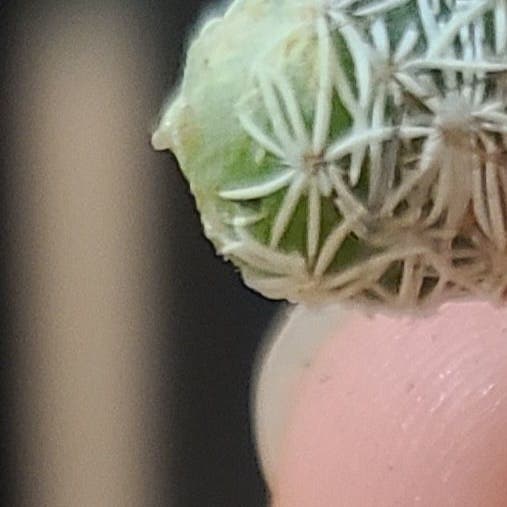
🌵 Why Your Pale Coryphantha Buds Are Falling Off
Coryphantha pallida
By the Greg Editorial Team
Sep 28, 2024•3 min read
This article was created with the help of AI so we can cover more plants for you. May contain errors. See one? Report it here.
Revive your Coryphantha's blooms 🌼 by uncovering essential tips to prevent bud drop and ensure vibrant growth!
- 🌡️ Temperature extremes (20°C-30°C) stress Coryphantha, causing bud drop.
- 💧 Low humidity is best; high humidity risks fungal infections and bud loss.
- 🌞 6-8 hours of sunlight daily is crucial for healthy growth and blooming.
Common Causes of Bud Drop
🌪️ Environmental Stress Factors
Temperature fluctuations can wreak havoc on your pale Coryphantha. Ideally, these plants thrive in a range of 20°C to 30°C (68°F to 86°F).
When temperatures swing too far outside this range, you might notice signs of stress like wilting, discoloration, and, unfortunately, premature bud drop.
Humidity levels also play a crucial role. Low to moderate humidity is optimal, while high humidity can increase the risk of fungal infections, which can lead to bud drop.
🍽️ Nutritional Deficiencies and Their Impact on Flowering
Nutritional deficiencies can significantly affect flowering. Key nutrients like nitrogen and phosphorus are essential for healthy buds.
Nitrogen supports vegetative growth, and a deficiency can lead to weak buds. Phosphorus is crucial for flower development; low levels can directly cause bud drop.
Look for signs of nutrient deficiency, such as yellowing leaves, stunted growth, and reduced flower production. These symptoms indicate that your plant may need a nutrient boost.
💡 Light Requirements and Their Role in Flower Development
Light exposure is another critical factor in flower development. Coryphantha plants require full sun, ideally 6-8 hours daily, for robust growth and blooming.
Insufficient light can lead to weak stems and premature bud drop. If you notice elongated growth, pale coloration, or reduced flowering, your plant might not be getting enough light.
By addressing these common causes of bud drop, you can help your Coryphantha thrive and enjoy a vibrant bloom cycle. Next, let’s explore the signs of a non-blooming Coryphantha and how to encourage flowering.
Failure to Bloom
🌼 Identifying the Signs of a Non-Blooming Coryphantha
A non-blooming Coryphantha often shows a lack of flower buds during its expected bloom cycle, which typically occurs in late spring to early summer. While the plant may exhibit robust growth, the absence of buds can be a clear indicator that something is amiss.
🌱 Seasonal Considerations for Blooming
Seasonal changes play a crucial role in triggering the bloom cycle for Coryphantha. Variations in temperature and light can signal the plant to prepare for flowering, while understanding dormancy periods helps you know when to expect blooms.
🌸 Solutions for Encouraging Flowering
To encourage your Coryphantha to bloom, consider adjusting your care practices. Increasing light exposure by moving the plant to a sunnier spot or supplementing with grow lights can make a significant difference.
Additionally, using a balanced fertilizer during the growing season can help boost nutrient levels, promoting healthy flower development. With these adjustments, your Coryphantha may soon reward you with vibrant blooms.
As you work on encouraging flowering, remember that understanding your plant's needs is key to its success. Next, we'll explore the topic of abnormal flower development and how to identify and remedy these issues.
Abnormal Flower Development
🌼 Identifying Abnormalities in Flower Growth
Abnormal flower growth can manifest in several ways
⚠️ Safety First
This content is for general information and may contain errors, omissions, or outdated details. It is not medical, veterinary advice, or an endorsement of therapeutic claims.
Always consult a qualified healthcare professional before using any plant as food, medicine, or supplement.
Never eat any plant (or feed one to pets) without confirming its identity with at least two trusted sources.
If you suspect poisoning, call Poison Control (800) 222-1222, the Pet Poison Helpline (800) 213-6680, or your local emergency service immediately.
Spotted an error? Please report it here.
Keep your Coryphantha thriving 🌵 by using Greg's tailored care reminders to optimize temperature, humidity, and nutrition for stunning blooms!