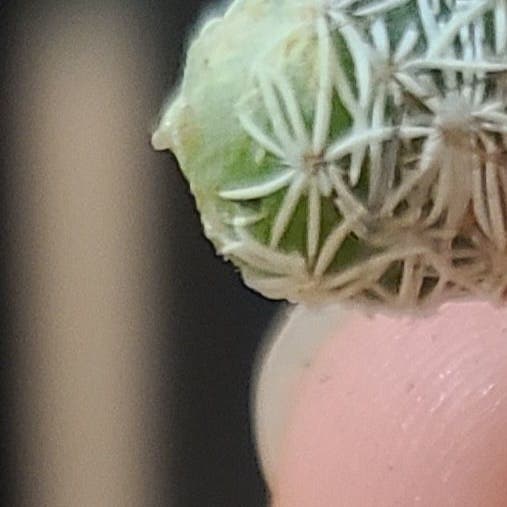
🌵 Step-by-Step Guide to Pollinating Pale Coryphantha
Coryphantha pallida
By the Greg Editorial Team
Sep 28, 2024•6 min read
This article was created with the help of AI so we can cover more plants for you. May contain errors. See one? Report it here.
Boost your garden's health and beauty 🌼 by mastering Pale Coryphantha's pollination secrets!
- 🌼 Pale Coryphantha thrives on cross-pollination, boosting genetic diversity and fruit production.
- 🐝 Key pollinators include bees, butterflies, and hummingbirds, vital for successful reproduction.
- 🌱 Hand pollination ensures success; learn to identify male and female flower parts.
Self-Pollination vs. Cross-Pollination
🌼 Determining Pollination Type
Pale Coryphantha primarily thrives on cross-pollination, which involves transferring pollen between different plants. While some self-pollination can occur, it’s not the main method for reproduction.
Understanding whether your Pale Coryphantha is self-pollinating or cross-pollinating is crucial. This knowledge can significantly impact the plant's health and its ability to produce fruit and seeds effectively.
By fostering cross-pollination, you can enhance genetic diversity, leading to stronger plants. So, if you're looking to maximize your Pale Coryphantha's potential, focus on attracting a variety of pollinators to your garden.
This foundational understanding sets the stage for exploring the intricate flower structures that facilitate these pollination processes.
Flower Structure
Description of Flower Anatomy 🌸
Pale Coryphantha features stunning funnel-shaped flowers that open wide, creating an inviting space for pollinators. Their vibrant colors—often in shades of pink, yellow, or white—serve to enhance visibility, making them hard to miss for bees and butterflies alike.
The arrangement of petals, sepals, stamens, and pistils is meticulously designed to facilitate easy access for these pollinators. This thoughtful structure not only attracts visitors but also ensures that pollen transfer occurs efficiently.
Role of Flower Structure in Facilitating Pollination 🐝
The unique flower structure plays a crucial role in aiding pollen transfer. By attracting specific pollinator species, these flowers enhance the chances of successful fertilization.
Moreover, the anatomy of the flower directly influences reproductive success. A well-structured flower maximizes interactions with pollinators, leading to a higher likelihood of producing seeds and fruit. Understanding this relationship is key to appreciating the beauty and functionality of Pale Coryphantha.
As we delve deeper into the pollination process, we’ll explore the primary pollinators that play a vital role in this ecosystem.
Pollination Process
Identification of Primary Pollinators 🐝
Pale Coryphantha thrives thanks to a variety of pollinators. The most common species include bees, butterflies, moths, and hummingbirds.
Each of these pollinators plays a unique role in the plant's reproductive success. For instance, bees are efficient at transferring pollen due to their hairy bodies, while hummingbirds are attracted to the vibrant colors and nectar.
Attraction Strategies for Pollinators 🌸
Pale Coryphantha employs several strategies to draw in these vital pollinators. Its flowers emit enticing scents and display bright colors, making them hard to miss.
Timing is also crucial; flowers often open when pollinator activity peaks. This synchronization ensures that the plants maximize their chances of successful pollination.
Understanding these dynamics can help you appreciate the intricate relationship between Pale Coryphantha and its pollinators. As we explore hand pollination next, you'll see how you can assist in this natural process.
Hand Pollination
Step-by-Step Instructions for Hand Pollination 🌼
Hand pollination can be a rewarding process for ensuring the successful reproduction of Pale Coryphantha. Follow these simple steps to get started:
Identify Male and Female Flower Parts: Begin by recognizing the stamens, which are the male parts, and the pistils, the female parts. This is crucial for effective pollination.
Collecting Pollen: Use a small brush or cotton swab to gently gather pollen from the stamens. Be careful not to damage the delicate flower structure.
Transferring Pollen: Once you have collected the pollen, gently apply it to the stigma of the female flower. This step is vital for fertilization.
Timing: Perform this process during peak flowering hours when the flowers are most receptive. This maximizes your chances of successful pollination.
Identifying Male and Female Flower Parts 🔍
Understanding flower anatomy is essential for effective hand pollination.
- Male Parts (Stamens): These are typically slender and topped with an anther, where pollen is produced.
- Female Parts (Pistils): Look for a central structure that may be thicker and often has a sticky stigma at the top, designed to catch pollen.
Visual cues can help you distinguish between the two. Male flowers may appear more numerous, while female flowers are often more robust.
Techniques for Collecting and Transferring Pollen 🎨
To ensure successful fertilization, follow these best practices:
- Gentle Handling: Always handle flowers with care to avoid damaging them.
- Clean Tools: Use clean brushes or swabs to prevent contamination of pollen.
- Consistent Technique: Be consistent in how you collect and transfer pollen to improve your success rate.
By mastering these techniques, you can significantly enhance the reproductive success of your Pale Coryphantha.
With a solid understanding of hand pollination, you're now equipped to support the growth of these unique cacti. Next, let’s explore how to create a pollinator-friendly environment to further enhance your gardening efforts.
Supporting Pollinators
🌼 Creating a Pollinator-Friendly Environment
Designing a garden that attracts pollinators is both an art and a science. Start by incorporating native plants, as they are well-adapted to local conditions and provide essential resources for pollinators.
Diverse flower types are crucial too. A variety of shapes, sizes, and colors will cater to different pollinator species, ensuring a bustling ecosystem in your garden.
🌱 Recommended Companion Plants for Attracting Pollinators
Consider adding these companion plants to enhance your pollinator-friendly garden:
- Lavender: Its fragrant blooms attract bees and butterflies.
- Echinacea (Coneflower): A favorite among many pollinators, it blooms throughout summer.
- Milkweed: Essential for monarch butterflies, it provides both nectar and habitat.
Planting these species alongside Pale Coryphantha not only boosts pollinator activity but also enriches the garden's biodiversity.
Creating a thriving environment for pollinators is a rewarding endeavor. It not only supports the ecosystem but also enhances the beauty and productivity of your garden.
Next, let’s explore the challenges that can arise in the pollination process and how to overcome them.
Pollination Challenges
🌪️ Common Obstacles to Successful Pollination
Pollination can be tricky for Pale Coryphantha due to various environmental factors. Temperature fluctuations and humidity levels can significantly impact the success of pollen transfer.
A lack of pollinators is another major hurdle. Signs of insufficient pollinator activity include fewer flowers being fertilized and a noticeable absence of bees or butterflies in the area.
🛠️ Solutions for Overcoming Environmental Challenges
To tackle these environmental challenges, consider creating a microclimate that supports your plants. This can involve using shade cloths or windbreaks to stabilize temperature and humidity levels.
Enhancing pollinator presence is equally crucial. Planting a diverse range of native flowers can attract various pollinators, ensuring a bustling ecosystem around your Pale Coryphantha.
By addressing these challenges, you can foster a thriving environment that promotes successful pollination. This not only benefits your plants but also supports the broader ecosystem.
⚠️ Safety First
This content is for general information and may contain errors, omissions, or outdated details. It is not medical, veterinary advice, or an endorsement of therapeutic claims.
Always consult a qualified healthcare professional before using any plant as food, medicine, or supplement.
Never eat any plant (or feed one to pets) without confirming its identity with at least two trusted sources.
If you suspect poisoning, call Poison Control (800) 222-1222, the Pet Poison Helpline (800) 213-6680, or your local emergency service immediately.
Spotted an error? Please report it here.
Boost your Pale Coryphantha's reproduction and garden biodiversity 🌼 by using Greg's tailored tips and reminders to attract the right pollinators for thriving plants!