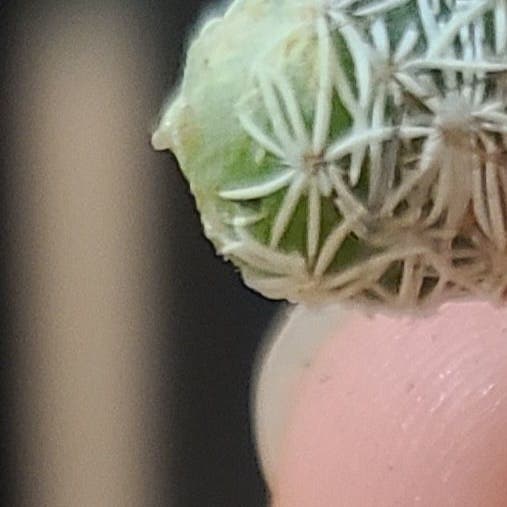
5 Indoor Care Tips for Coryphantha 🌵
Coryphantha pallida
By the Greg Editorial Team
Sep 28, 2024•5 min read
This article was created with the help of AI so we can cover more plants for you. May contain errors. See one? Report it here.
Cultivate a vibrant indoor oasis with expert tips for nurturing your Pale Coryphantha! 🌵✨
- 🌞 Pale Coryphantha needs 6-8 hours of bright, indirect light for optimal growth.
- 💧 Water every 2-4 weeks using the soak and dry method to prevent issues.
- 🐛 Regularly check for pests and maintain cleanliness to protect your cactus.
Light Requirements
Optimal Indoor Light Levels 🌞
For your Pale Coryphantha, the ideal light exposure is bright, indirect light for about 6-8 hours daily. While it thrives in this environment, it can also tolerate some direct sunlight, particularly in the morning or late afternoon.
Role of Grow Lights 💡
When natural light is scarce, grow lights become essential. They not only supplement light during shorter days but also encourage healthy growth and prevent etiolation, which can lead to leggy plants.
Choosing the Best Grow Light 🛠️
Selecting the right grow light is crucial. You can choose between LED and fluorescent options, but full-spectrum lights that mimic natural sunlight are highly recommended.
Position your grow lights 12-18 inches above the plant for optimal coverage. This ensures your Pale Coryphantha receives the right amount of light without getting scorched.
With the right light conditions, your cactus will flourish, setting the stage for a healthy and vibrant indoor garden. Next, let’s dive into the watering needs to keep your plant thriving.
Watering Needs
Frequency and Method of Watering 🌊
Watering your Pale Coryphantha is straightforward. Generally, aim to water every 2-4 weeks, adjusting based on the season and indoor conditions.
Use the soak and dry method for optimal results. Water thoroughly until it drains from the bottom, then let the soil dry completely before the next watering.
Signs of Overwatering and Underwatering 🚨
Recognizing the signs of overwatering is crucial. Look for yellowing leaves, mushy stems, and root rot as indicators that you might be giving your plant too much water.
On the flip side, underwatering can lead to a wrinkled, shriveled appearance and slow growth. Keep an eye on your plant to ensure it’s thriving.
Understanding these watering needs will help you maintain a healthy Pale Coryphantha. Next, let’s explore the ideal humidity and temperature preferences for your cactus.
Humidity and Temperature Preferences
Ideal Humidity Levels 🌬️
Pale Coryphantha thrives in low humidity, ideally between 10-30%. Maintaining this level is crucial; it helps prevent fungal diseases and supports robust growth.
Temperature Requirements 🌡️
For optimal growth, keep your Pale Coryphantha in a temperature range of 20°C to 30°C (68°F to 86°F). While it can tolerate brief drops to 10°C (50°F), be cautious—prolonged exposure to frost can be detrimental.
By ensuring the right humidity and temperature, you set the stage for a healthy, vibrant plant. Next, let’s explore the best soil and fertilization practices to keep your Pale Coryphantha flourishing.
Soil and Fertilization
Best Soil Type 🌱
For your Pale Coryphantha, a well-draining cactus mix is essential. You can also create a custom blend using potting soil, sand, and perlite to ensure optimal drainage.
Proper drainage is crucial as it prevents root rot and supports healthy growth. A mix that retains some moisture while allowing excess water to escape will keep your plant thriving.
Fertilization Schedule and Type 🌿
During the growing season, fertilize your Pale Coryphantha every 4-6 weeks. This schedule helps provide the nutrients your plant needs to flourish.
Use a balanced, diluted cactus fertilizer with an NPK ratio of 10-10-10. This ensures your cactus gets the right nutrients without overwhelming it.
With the right soil and fertilization, your Pale Coryphantha will be well-equipped to grow strong and healthy. Next, let's explore common issues and solutions to keep your plant in top shape.
Common Issues and Solutions
🐞 Pest Prevention
Pale Coryphantha can fall victim to several pests, including mealybugs, spider mites, and scale insects. Look out for sticky residue, webbing, or visible pests on your plant as signs of infestation.
🕷️ Common Pests
- Mealybugs: Small, white, cotton-like pests that cluster on stems and leaves.
- Spider Mites: Tiny, often invisible, but they leave fine webbing.
- Scale Insects: Hard, shell-like pests that attach to the plant surface.
🚫 Prevention Strategies
Regular inspections are key. Check for pests during your watering routine to catch any issues early.
Maintain cleanliness around your plant. Keeping the area free of debris can deter pests from making your plant their home.
🧪 Treatment Options for Infestations
If you spot an infestation, consider organic treatments like neem oil or insecticidal soap. These options are effective and less harsh on your plant.
For mealybugs, mechanical removal works wonders. Use a cotton swab dipped in alcohol to gently wipe them away.
✂️ Appearance Maintenance
🌿 Pruning and Grooming Tips
Pruning is essential for a healthy Pale Coryphantha. Remove any dead or damaged spines and stems to encourage new growth.
Grooming is equally important. Dust leaves gently with a soft brush to keep them looking pristine.
🔄 How to Maintain Healthy Growth
Rotate your plant regularly. This ensures even light exposure and prevents it from leaning toward the light source.
Keep an eye on growth patterns. Adjust your care routine based on seasonal changes to support your plant’s health.
By staying vigilant and proactive, you can keep your Pale Coryphantha thriving and looking its best. Next, let’s explore the ideal placement and environment for your plant to flourish.
Placement and Environment
Best Locations in the Home 🌞
For your Pale Coryphantha, the best spots are south or west-facing windows. These locations provide maximum light exposure, essential for healthy growth.
Avoid placing your cactus in shaded corners or north-facing windows. Low-light areas can hinder its development and vitality.
Considerations for Light and Temperature 🌡️
During winter months, consider moving your plant closer to windows. This adjustment ensures it receives adequate light as days grow shorter.
Use a thermometer to monitor indoor temperatures. Keeping your cactus within its optimal range is crucial for its well-being.
Avoiding Drafts and Extreme Conditions 🚫
Protect your Pale Coryphantha from drafts by keeping it away from open windows and air conditioning vents. Sudden temperature changes can stress the plant.
Extreme temperatures can be detrimental, so ensure your cactus is in a stable environment. Consistency is key to maintaining its health and vibrancy.
With the right placement and care, your Pale Coryphantha will thrive beautifully indoors. Next, let’s explore how to tackle common issues and solutions for keeping your cactus in top shape.
⚠️ Safety First
This content is for general information and may contain errors, omissions, or outdated details. It is not medical, veterinary advice, or an endorsement of therapeutic claims.
Always consult a qualified healthcare professional before using any plant as food, medicine, or supplement.
Never eat any plant (or feed one to pets) without confirming its identity with at least two trusted sources.
If you suspect poisoning, call Poison Control (800) 222-1222, the Pet Poison Helpline (800) 213-6680, or your local emergency service immediately.
Spotted an error? Please report it here.
Keep your Pale Coryphantha thriving 🌵 with Greg's tailored watering reminders and expert tips that make cactus care a breeze!