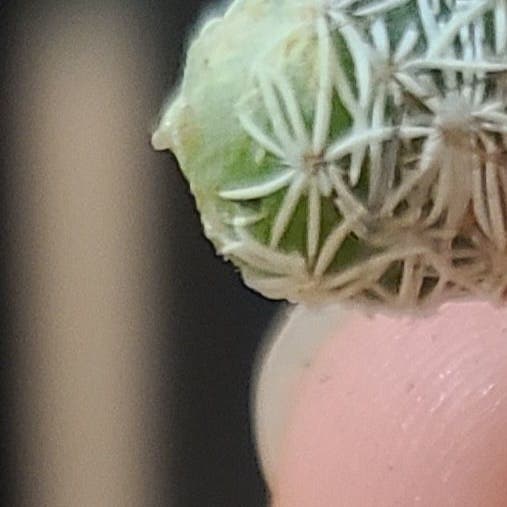
3 Outdoor Care Tips for Coryphantha 🌵
Coryphantha pallida
By the Greg Editorial Team
Sep 28, 2024•6 min read
This article was created with the help of AI so we can cover more plants for you. May contain errors. See one? Report it here.
Unlock the secret to thriving Pale Coryphantha 🌵 care for vibrant growth and resilience in any setting!
- ☀️ Pale Coryphantha needs 6-8 hours of sunlight daily for healthy growth.
- 💧 Water every 2-4 weeks, ensuring soil dries completely to prevent root rot.
- 🐛 Inspect weekly for pests like aphids; use neem oil for effective treatment.
Sunlight Requirements
Ideal Sunlight Exposure ☀️
Pale Coryphantha thrives in full sun, needing at least 6-8 hours of direct sunlight daily. Morning sun is particularly beneficial, as it helps avoid scorching during the peak afternoon heat.
Signs of Insufficient Light 🚫
If your plant shows signs of etiolation, it’s stretching and growing leggy as it reaches for light. Additionally, pale or yellowing spines indicate that it’s not getting enough sunlight.
Understanding these sunlight requirements is crucial for the health of your Pale Coryphantha. Proper light exposure sets the foundation for vibrant growth and resilience against pests and diseases.
Watering Needs
General Watering Guidelines 🌊
Pale Coryphantha thrives on a careful watering routine. Allow the soil to dry completely between waterings, typically every 2-4 weeks during the growing season.
Deep soaking is key. Water thoroughly until it drains from the bottom of the pot or planting hole, ensuring the roots get the moisture they need without sitting in excess water.
Signs of Overwatering 🚫
Overwatering can be detrimental to your plant's health. Look for wilting, where soft, mushy stems indicate potential root rot.
Another red flag is yellowing. If the leaves or spines start turning yellow, it’s a sign that excess moisture is affecting your Pale Coryphantha.
Understanding these watering needs will help you keep your plant healthy and vibrant. Next, let’s explore the ideal soil preferences for your Pale Coryphantha.
Soil Preferences
Ideal Soil Composition 🌵
For your Pale Coryphantha, a well-draining soil is essential. Opt for a cactus mix or create your own blend using potting soil, sand, and perlite.
The ideal soil pH should be slightly acidic to neutral, ranging from 6.0 to 7.0. This balance helps ensure your cactus thrives without nutrient deficiencies.
Soil Preparation Tips 🧑🌾
To enhance drainage, consider incorporating coarse sand or gravel into your soil mix. This adjustment will prevent water from pooling around the roots, which can lead to rot.
Before watering, it's wise to test the soil moisture. A moisture meter can help you determine when the soil is completely dry, ensuring you only water when necessary.
With the right soil setup, your Pale Coryphantha will be well-equipped to flourish outdoors. Next, let’s explore the best planting options for your cactus.
Planting Options
🌱 Container Planting Benefits and Drawbacks
Container planting offers unique advantages for your Pale Coryphantha. The mobility of pots allows you to easily reposition your plant for optimal sunlight or to provide protection from harsh weather.
However, containers come with limitations. They often restrict root space, which may lead to more frequent watering needs. Additionally, temperature fluctuations can be more pronounced in pots, affecting your plant's health.
🌍 In-Ground Planting Benefits and Drawbacks
Planting your Pale Coryphantha in the ground can promote natural growth. With more space for roots to expand, your cactus can thrive with less frequent watering, as the soil retains moisture longer.
On the flip side, in-ground planting has its challenges. You must ensure the soil quality is suitable, often requiring well-draining amendments. Moreover, plants in the ground are more exposed to pests and diseases, which can be a concern.
📍 Choosing the Right Location for Planting
Selecting the right location is crucial for your cactus's success. Aim for a spot that receives full sun, ideally with some protection from harsh winds to prevent stress on the plant.
Don't overlook drainage. Ensure the area has good drainage to prevent waterlogging, which can lead to root rot. A well-chosen location sets the stage for a healthy, thriving Pale Coryphantha.
With the right planting options in mind, you can now focus on pest and disease management to keep your cactus flourishing.
Pest and Disease Management
Common Outdoor Pests 🐜
Pale Coryphantha can attract a few unwelcome guests. Aphids are a common nuisance, leaving behind a sticky residue and causing leaves to curl.
Mealybugs are another threat, identifiable by their white, cotton-like masses on stems and leaves. These pests can weaken your plant if not addressed promptly.
Signs of Disease 🦠
Keeping an eye on your plant's health is crucial. Fungal infections often manifest as black spots or mushy areas, indicating rot.
Bacterial infections can show up as water-soaked lesions or wilting, both signs that your plant needs immediate attention.
Prevention and Treatment Methods 🛡️
Regular inspections are your best defense. Make it a habit to check for pests weekly to catch any issues early.
For treatment, consider using organic options like neem oil or insecticidal soap. These methods are effective and safer for your plant and the environment.
By staying vigilant and proactive, you can keep your Pale Coryphantha thriving and free from pests and diseases. Next, let’s explore seasonal care tips to ensure your plant remains healthy year-round.
Seasonal Care
Spring Care Tips 🌸
Spring is the perfect time to give your Pale Coryphantha a fresh start. Begin by repotting to refresh the soil and check for root health.
Next, introduce a balanced fertilizer to kickstart growth. This will provide the nutrients your plant needs as it emerges from dormancy.
Summer Care Tips ☀️
As temperatures rise, your watering routine will need to adapt. Monitor soil moisture closely during the hot months to prevent dehydration.
Consider using shade cloth during extreme heat to protect your plant from sunburn. This simple step can make a big difference in its health.
Fall Care Tips 🍂
As fall approaches, it's time to prepare your Pale Coryphantha for dormancy. Gradually reduce watering to help the plant acclimate to cooler temperatures.
Don’t forget to apply a final feeding before winter sets in. This will ensure your plant has enough nutrients to sustain it through the colder months.
Winter Care Tips ❄️
During winter, your watering routine should be minimal. Only water if the soil is completely dry to avoid root rot.
If temperatures drop significantly, consider bringing your plant indoors. This will help protect it from harsh winter conditions and ensure its survival.
With these seasonal care tips, your Pale Coryphantha will thrive year-round. Next, let’s explore how to protect it from extreme weather conditions.
Weather Protection
🌞 Strategies for Protecting from Extreme Weather
To keep your Pale Coryphantha thriving, consider using shade cloth during extreme heat. This simple addition can prevent sunburn and help maintain optimal growth conditions.
Windbreaks are another effective strategy. Plant barriers or structures can shield your cactus from strong winds, reducing stress and potential damage.
🍂 Seasonal Changes and Their Impact on Care
As the seasons shift, so should your watering routine. Increase frequency during hot months to keep your cactus hydrated, and decrease it when temperatures cool down.
Always monitor temperature changes closely. Be aware of frost warnings and take action, like bringing your plant indoors, to protect it from unexpected cold snaps.
⚠️ Safety First
This content is for general information and may contain errors, omissions, or outdated details. It is not medical, veterinary advice, or an endorsement of therapeutic claims.
Always consult a qualified healthcare professional before using any plant as food, medicine, or supplement.
Never eat any plant (or feed one to pets) without confirming its identity with at least two trusted sources.
If you suspect poisoning, call Poison Control (800) 222-1222, the Pet Poison Helpline (800) 213-6680, or your local emergency service immediately.
Spotted an error? Please report it here.
Keep your Pale Coryphantha thriving 🌵 with Greg's tailored watering reminders and pest management tips to ensure it flourishes in your outdoor space!