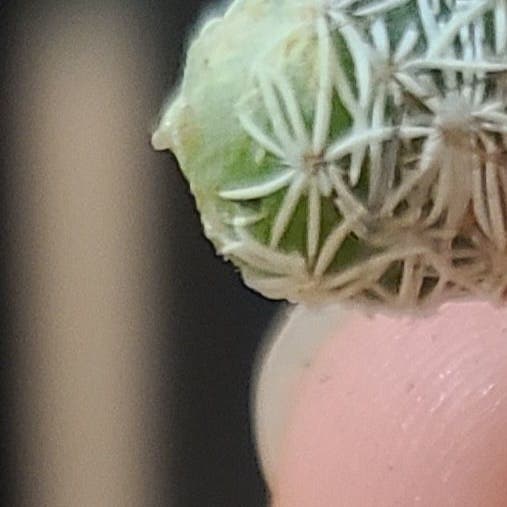
Why Are My Coryphantha pallida Leaves Curling?
Coryphantha pallida
By the Greg Editorial Team
Apr 13, 2024•4 min read
This article was created with the help of AI so we can cover more plants for you. May contain errors. See one? Report it here.
Unravel the mystery behind your cactus's curling leaves and revive its prickly beauty! 🌵✨
- Curling leaves signal distress; don't overlook discoloration or texture changes.
- Water, light, pests, and temperature are main culprits of leaf curling.
- Prevent curling with proper watering, light, and regular cactus check-ups.
Spotting the Signs of Trouble
🌀 When Curls Aren't Cute
Coryphantha pallida leaves should be firm and robust, not twisted like a pretzel. If you spot leaves curling more than a morning yoga class, it's a clear sign of distress. This isn't the plant trying to be avant-garde; it's a cry for help.
🚨 Beyond the Curl
But don't stop at the curl; other symptoms often crash the party. Discoloration or texture changes are the plus-ones you didn't invite. Leaves turning yellow or brown, or feeling thinner than your patience on hold with customer service, are all red flags.
🔍 Decoding the Curl Patterns
The way a leaf curls can spill the tea on what's wrong. Leaves curling upwards might be screaming for water, while downward spirals could be gossiping about overwatering or a pest rave. Keep an eye out for these tell-tale signs; they're the plant's version of a distress flare.
👀 Visual Symptoms
Look for leaves that deviate from their usual flat or gently curved shape. If they're rolling or twisting like they're trying to escape, it's time to take action. And if the edges of your cactus's leaves are as crispy as overcooked bacon, reassess your care routine, stat.
🚩 Secondary Signs to Watch Out For
Leaf curl rarely flies solo. It often brings along spots of decay or droopy spines, hinting at uninvited pests or diseases. If your cactus has shrunk like it's on a crash diet, it's definitely time to reassess its living conditions.
The Usual Suspects: Identifying Causes of Leaf Curling
💧 Water Woes
Overwatering transforms your cactus's soil into a swampy mess, causing leaves to curl as if trying to escape the wetness. Let the soil dry out before you water again to avoid this soggy situation.
Underwatering is just as deceptive, with leaves curling upwards in a silent plea for hydration. Check for dry soil and give your cactus a drink if it's parched.
🌞 Climate Culprits
Too much sun can lead to sunburnt spikes, with leaves curling to shield themselves from the harsh rays. Provide bright, indirect sunlight to prevent this.
Conversely, when temperatures drop, leaves curl up tight to conserve warmth. Keep your cactus in a stable environment to avoid this chilly reaction.
🐜 Uninvited Guests
Pests like spider mites are sneaky, causing curling leaves as they feast. Inspect regularly and use neem oil or insecticidal soap to send these critters packing.
Fungal infections can also lead to leaf curl. Look out for powdery mildew or other signs of fungal foes and treat promptly to keep your cactus's leaves curl-free.
Turning the Tide on Leaf Curling
💧 Fine-Tuning Watering Habits
Watering your Coryphantha pallida is less about sticking to a schedule and more about reading the soil. Make sure the top inch feels dry before giving it a drink. Overwatering is the fast track to root rot, so let's not turn the pot into a swamp, okay?
🌟 Creating a Cozy Climate
Bright, indirect light is your cactus's best friend. Direct sunlight? Not so much. It's like a beach vacation without sunscreen—bound to end badly. Keep temperatures consistent, avoiding the drama of sudden changes. Think of it as setting the thermostat for a perpetual spring day.
🐜 Kicking Out Pests and Diseases
Pests and fungi are party crashers. Show them the door with eco-friendly pesticides and by pruning away any infected bits. It's like being a bouncer at the club of your cactus's health—only the good vibes are allowed in.
Proactive Measures: Keeping Your Cactus Happy
🌵 The Art of Prevention
💧 Moisture Mastery
Consistency is your cactus's best pal when it comes to watering. Check the soil's top two inches; if it's dry, it's time to water. But remember, your cactus prefers a drought to a flood.
🌞 Climate Control
Cacti are sun worshippers, but they don't want to bake. Bright, indirect light keeps them happy without the crispy side effects. Keep the temperature stable, warm but not hot, and watch out for drafts that could send shivers down their spines.
🕵️ Routine Checks
Regular inspections are like surprise pop quizzes for pests and diseases. Catch them off-guard and deal with them swiftly. Cleanliness is your cactus's shield; remove dead plant matter to deny bugs a home base.
⚠️ Safety First
This content is for general information and may contain errors, omissions, or outdated details. It is not medical, veterinary advice, or an endorsement of therapeutic claims.
Always consult a qualified healthcare professional before using any plant as food, medicine, or supplement.
Never eat any plant (or feed one to pets) without confirming its identity with at least two trusted sources.
If you suspect poisoning, call Poison Control (800) 222-1222, the Pet Poison Helpline (800) 213-6680, or your local emergency service immediately.
Spotted an error? Please report it here.
Ensure your Coryphantha pallida thrives by using Greg to tailor a care plan that prevents leaf curling 🌵 and addresses its unique needs.