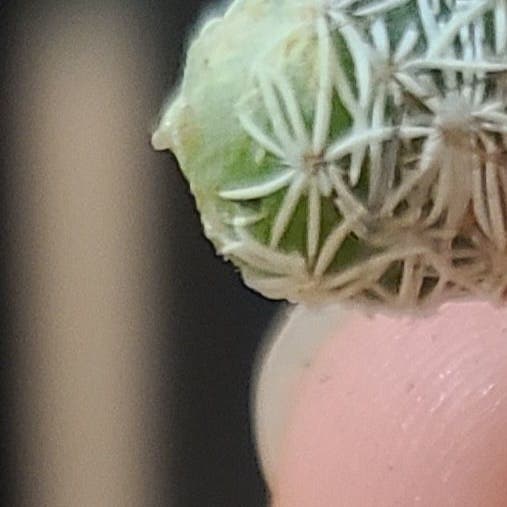
🌵 Introduction to Coryphantha pseudoradians
Coryphantha pallida
By the Greg Editorial Team
Jan 24, 2025•10 min read
This article was created with the help of AI so we can cover more plants for you. May contain errors. See one? Report it here.
Elevate your garden with the resilient Coryphantha pseudoradians, a low-maintenance cactus that thrives in sunlight! 🌞🌱
- 🌞 Coryphantha pseudoradians needs 6-8 hours of sunlight for optimal growth.
- 🌡️ Ideal temperatures are 20°C to 30°C; protect from frost and heavy rains.
- 🌱 Use well-draining soil and water only when the top inch is dry.
How to Grow
Choosing a Location 🌞
Coryphantha pseudoradians thrives in full sun, requiring 6 to 8 hours of direct sunlight daily. It prefers warm temperatures, ideally between 20°C to 30°C (68°F to 86°F), making it perfect for sunny spots in your garden.
Soil Preparation 🌱
For optimal growth, use a well-draining cactus mix or sandy loam. Aim for a pH level between 6.0 and 7.0, which is slightly acidic to neutral, ensuring your plant has the right environment to flourish.
Planting Techniques 🌿
When planting, make sure the crown of the cactus is above soil level to prevent rot. Space your plants 12 to 18 inches apart if you're planting outdoors, allowing each one room to grow.
Watering Requirements 💧
Water your Coryphantha thoroughly when the top inch of soil feels dry. In winter, reduce watering frequency to accommodate its dormant phase, preventing overwatering issues.
Fertilizing Schedule 🌼
During the growing season, use a diluted cactus fertilizer every 4 to 6 weeks. This will provide the necessary nutrients for healthy growth from spring to early fall.
Pruning Methods ✂️
Pruning is minimal for this cactus; simply remove any dead or damaged spines. The best time to prune is early spring, just before new growth begins.
Ongoing Care Tips 🔍
Regularly monitor your plant for pests and diseases to catch any issues early. Adjust your care routine based on seasonal changes to keep your cactus thriving year-round.
Outdoor vs. Container Growing 🌍
Growing Coryphantha in containers offers mobility and a controlled environment, making it easier to manage. However, if you choose outdoor planting, be mindful to protect your cactus from frost and heavy rains to ensure its health.
With these tips, you’re well on your way to cultivating a thriving Coryphantha pseudoradians. Next, let’s explore how to propagate this resilient cactus for even more growth opportunities.
Propagation
Seed Propagation 🌱
To propagate Coryphantha pseudoradians from seeds, start by collecting seeds from mature flowers. Ensure you provide a warm, moist environment with indirect light for optimal germination.
Offsets and Cuttings ✂️
Another effective propagation method is through offsets. Look for small cacti growing at the base of the parent plant and use a clean, sharp knife to carefully remove these offsets for planting.
This hands-on approach not only expands your collection but also deepens your connection with these resilient plants. Whether you choose seeds or offsets, both methods are rewarding and relatively straightforward.
Lifecycle
Lifecycle Stages 🌱
Coryphantha pseudoradians undergoes a fascinating lifecycle that begins with seed germination and progresses through various stages until maturity. Each phase is crucial for the plant's development and overall health.
Germination Process 🌧️
Under optimal conditions, germination takes about 2-3 weeks. Providing warmth and moisture is key to kickstarting this process.
Seedling Stage 🌿
Once germinated, the seedling stage lasts approximately 6 months. During this time, the young plant establishes its roots and begins to develop its unique characteristics.
Vegetative Growth 🌞
As temperatures rise, Coryphantha experiences rapid vegetative growth. This phase is marked by increased photosynthesis and energy production, allowing the plant to thrive.
Flowering and Seed Production 🌸
Typically, flowering occurs in late spring to early summer. After flowering, the plant produces seeds, which mature and can be collected for propagation.
Lifespan and Growth Rate ⏳
With proper care, Coryphantha pseudoradians can live for several decades. Its growth rate is moderate, taking about 3-5 years to reach full maturity, making it a rewarding addition to any garden.
This lifecycle not only highlights the resilience of Coryphantha but also emphasizes the importance of providing the right conditions for each stage. Understanding these phases can enhance your gardening experience and ensure the health of your plants.
Size
Mature Height and Spread 🌱
Coryphantha pseudoradians typically reaches an average height of 6 to 12 inches. Its spread can range from 4 to 8 inches, making it a compact yet visually striking addition to any garden.
Growth Rate and Size Variability 📈
The growth rate of this cactus can vary significantly based on several factors. Key influences include light exposure, soil quality, and watering practices, all of which play a crucial role in determining how quickly your plant will thrive.
Factors Affecting Size 🌡️
Environmental conditions also have a substantial impact on the size of Coryphantha pseudoradians. Temperature and humidity levels are particularly important; optimal conditions will encourage robust growth, while extremes can stunt its development.
Understanding these size-related aspects will help you provide the best care for your Coryphantha pseudoradians. Next, let’s explore the fascinating lifecycle of this resilient cactus.
Roots
🌱 Root System Characteristics
Coryphantha pseudoradians features a fibrous root system, perfectly adapted for arid conditions. This structure allows the plant to efficiently absorb moisture from the sparse soil.
📏 Root Depth and Spread
Typically, the roots extend 6-12 inches deep, depending on the soil conditions. This depth helps the plant access water while maintaining stability.
⚠️ Common Root-Related Issues
One of the most common problems is root rot, often caused by overwatering. Signs of this issue include mushy roots that can lead to the plant's decline if not addressed promptly.
🔍 Identifying Healthy vs. Unhealthy Roots
Healthy roots are firm and white, indicating vitality. In contrast, unhealthy roots appear dark and mushy, signaling potential problems that need immediate attention.
🌿 Recognizing Rootbound Plants
If you notice roots growing out of the drainage holes, your plant may be rootbound. The solution is simple: repot the plant into a larger container to give it room to grow and thrive.
Understanding the root system of Coryphantha pseudoradians is crucial for its overall health. Proper care can prevent common issues and ensure your plant flourishes beautifully.
Benefits
Top 5 Benefits 🌟
Coryphantha pseudoradians offers a range of benefits that make it a fantastic addition to any garden or indoor space.
Aesthetic Appeal: Its unique shape and stunning flowers can elevate the design of any garden, adding a touch of character and charm.
Low Maintenance: This cactus thrives with minimal care, making it perfect for busy gardeners or those new to plant care.
Drought Resistance: Ideal for xeriscaping, Coryphantha pseudoradians requires little water, making it a smart choice for water-wise gardens.
Air Purification: Not only does it look good, but it also contributes to improved indoor air quality, helping to create a healthier living environment.
Cultural Significance: This resilient plant symbolizes adaptability and strength, reflecting the beauty of thriving in harsh conditions.
Incorporating Coryphantha pseudoradians into your space not only enhances its beauty but also aligns with sustainable gardening practices. Its low upkeep and unique characteristics make it a rewarding choice for any plant lover.
As we explore the propagation of this remarkable cactus, you'll discover how to share its beauty with others.
Companion Plants
🌱 Concept of Companion Planting
Companion planting is all about creating a harmonious garden environment. By pairing plants that support each other, you can enhance biodiversity and improve pest management.
🌼 Best Companion Plants
When it comes to Coryphantha pseudoradians, other cacti and succulents make excellent companions. They share similar care needs, ensuring a thriving ecosystem in your garden.
🚫 Plants to Avoid
Be cautious with plants that require high moisture or shade. These can compete for resources and create an unhealthy environment for your Coryphantha.
Incorporating the right companions can elevate your gardening experience. By choosing wisely, you’ll foster a vibrant and resilient garden that showcases the beauty of your Coryphantha.
Toxicity to Humans
🛡️ Safety for Humans
Coryphantha pseudoradians is not considered toxic by major poison control centers. However, if consumed in large quantities, it may cause mild skin irritation or digestive discomfort.
⚠️ Cautionary Notes
While the risks are minimal, it's always wise to exercise caution. If you experience any unusual symptoms after contact or consumption, seek medical advice promptly.
Toxicity to Dogs
🐶 Safety for Dogs
Coryphantha pseudoradians is not listed as toxic by major pet poison control centers. This means your furry friends can safely coexist with this unique cactus in your garden or home.
⚠️ Potential Minor Issues
While generally safe, excessive consumption of the plant may lead to mild gastrointestinal upset in dogs. It's always wise to keep an eye on your pet's behavior around plants.
🌱 Tips for Care
To ensure a harmonious environment, place the cactus in areas that are less accessible to your dog. Regularly monitor their interactions with the plant to prevent any unwanted nibbling.
With a little care, you can enjoy the beauty of Coryphantha pseudoradians without worrying about your dog's safety. Next, let’s explore how this cactus interacts with our feline friends.
Toxicity to Cats
🐱 Safety for Cats
Coryphantha pseudoradians is not listed as toxic by major pet poison control centers. This means you can enjoy this unique cactus without worrying about your feline friends.
⚠️ Potential Minor Issues
While generally safe, excessive consumption may lead to mild gastrointestinal upset in cats. It's always a good idea to keep an eye on your pets and their interactions with plants.
🌵 Tips for Care
To ensure a harmonious environment, place your cactus in areas that are less accessible to curious cats. Monitoring their behavior around the plant can help prevent any unwanted nibbling.
With these precautions, you can appreciate the beauty of Coryphantha pseudoradians while keeping your furry companions safe.
Problems
Common Problems 🌱
Growing Coryphantha pseudoradians can be rewarding, but it's essential to be aware of potential issues that may arise.
Incorrect Watering 🚰
Overwatering is a common mistake. Look for signs like yellowing leaves and mushy stems, which indicate your plant is drowning.
Incorrect Light Conditions 💡
Insufficient light can lead to etiolated growth, where the plant stretches towards the light source. Ensure your cactus receives adequate sunlight for healthy development.
Diseases 🦠
Fungal diseases, such as powdery mildew, can affect your plant's health. To prevent these issues, ensure good airflow around your Coryphantha.
Root Problems 🌿
Root rot is another concern, often caused by overwatering. If you notice mushy roots, adjust your watering schedule to allow the soil to dry out between waterings.
Leaf Issues ☀️
Excessive sun exposure can scorch the leaves, leading to unsightly damage. Providing shade during peak sunlight hours can help protect your plant.
By staying vigilant and addressing these common problems, you can ensure your Coryphantha pseudoradians thrives in your care. Next, let’s explore the potential pest issues that could affect your cactus.
Bugs
🐜 Potential Pest Issues
Coryphantha pseudoradians is generally a tough plant, known for its pest resistance. However, it can still fall victim to a few pesky invaders.
🔍 Identification of Pests
- Spider Mites: Look for fine webbing and stippled leaves, which indicate these tiny troublemakers are at work.
- Scale Insects: These appear as hard, shell-like bumps on the stems, often hiding in plain sight.
⚠️ Damage Caused by Pests
Pests can lead to a noticeable decline in your plant's health and vigor. If left unchecked, they may cause stunted growth and unsightly damage.
🧴 Treatment Options
To combat these pests, consider using neem oil or insecticidal soap. Both options are effective and can help restore your plant's health without harsh chemicals.
With proper monitoring and quick action, you can keep your Coryphantha thriving. Next, let’s explore what animals might be interested in snacking on your plant.
What Eats Coryphantha
Common Animals 🦌
Coryphantha pseudoradians can attract a variety of hungry critters. Deer, rabbits, and rodents are known to nibble on these unique cacti, often leading to noticeable damage.
Signs of Animal Presence 🐾
If you notice chewed leaves or missing sections of your plant, it’s a clear sign that animals have been visiting. Keep an eye out for these telltale signs to catch any unwanted guests early.
Damage Description 🥴
Browsing by these animals can stunt growth and create an unsightly appearance. A once vibrant cactus may end up looking ragged and unhealthy if not protected.
Deterrent Methods 🚫
To safeguard your Coryphantha, consider using chemical repellents or physical barriers like fencing. These methods can help keep your plant safe from hungry visitors and ensure it thrives in your garden.
With the right precautions, you can enjoy the beauty of Coryphantha without the worry of it becoming a snack for local wildlife.
⚠️ Safety First
This content is for general information and may contain errors, omissions, or outdated details. It is not medical, veterinary advice, or an endorsement of therapeutic claims.
Always consult a qualified healthcare professional before using any plant as food, medicine, or supplement.
Never eat any plant (or feed one to pets) without confirming its identity with at least two trusted sources.
If you suspect poisoning, call Poison Control (800) 222-1222, the Pet Poison Helpline (800) 213-6680, or your local emergency service immediately.
Spotted an error? Please report it here.
Coryphantha pseudoradians is a sun-loving cactus 🌞 that thrives with the right care, and with Greg's tailored watering alerts and expert tips, you'll keep your cactus happy and healthy in no time!