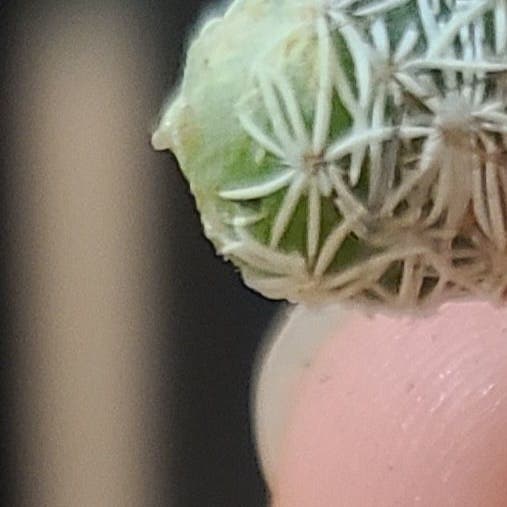
🌵 How Tall Your Pale Coryphantha Can Get
Coryphantha pallida
By the Greg Editorial Team
Sep 28, 2024•5 min read
This article was created with the help of AI so we can cover more plants for you. May contain errors. See one? Report it here.
Unlock the secrets to thriving Pale Coryphantha cacti 🌵 by mastering their unique size and growth needs!
- 🌱 Pale Coryphantha heights range from 6 to 12 inches, with some giants exceeding 12 inches.
- ☀️ Full sun and well-draining soil are essential for optimal growth and health.
- 💧 Water infrequently; let soil dry completely to prevent root rot.
Mature Height and Spread
Mature Height 🌱
The typical mature height of a Pale Coryphantha ranges from 6 to 12 inches (15 to 30 cm). This height can vary based on genetic predisposition and environmental conditions, making each plant unique.
Mature Spread 📏
When it comes to spread, you can expect an average of 4 to 8 inches (10 to 20 cm). The growth habit may differ; some varieties grow in clumps, while others prefer a solitary stance.
Growth Rate and Time to Maturity ⏳
Pale Coryphanthas are known for their slow growth rate, typically adding just 1 to 2 inches (2.5 to 5 cm) per year. Most varieties take about 5 to 10 years to reach their full size, influenced by factors like soil quality, light exposure, and watering practices.
Understanding these aspects of height and spread is crucial for anyone looking to cultivate these unique cacti. With the right conditions, you can help your Pale Coryphantha thrive and reach its full potential.
Next, let’s explore the fascinating size variability among different varieties of Pale Coryphantha.
Size Variability Among Varieties
🌱 Dwarf Varieties
Dwarf varieties of Pale Coryphantha are a delight for collectors. These compact plants typically grow to a height of under 6 inches (15 cm), making them perfect for small spaces.
Some popular dwarf cultivars include Coryphantha vivipara and Coryphantha elephantidens. To maintain their petite stature, it's essential to provide limited water and nutrients, allowing these charming cacti to thrive without becoming leggy.
🦙 Giant Varieties
On the other end of the spectrum, giant varieties can exceed 12 inches (30 cm) in height. These impressive specimens often require more space and resources to flourish.
To promote larger growth, ensure they have access to rich soil and ample sunlight. This combination creates an ideal environment for these majestic plants to reach their full potential.
Understanding the size variability among varieties helps you choose the right type for your collection. Whether you prefer the compact charm of dwarf varieties or the grandeur of giants, each has unique care requirements that can enhance your gardening experience.
Influence of Growing Conditions on Size
🌱 Soil Type and Size Impact
The type of soil you use plays a crucial role in the growth of your Pale Coryphantha. Well-draining sandy or rocky substrates are preferred, as they allow for healthy root development.
Poor drainage can lead to root rot, which stunts growth and can even kill your plant. Ensuring your cactus has the right soil is essential for its overall health.
☀️ Light Requirements and Growth
Light exposure is another key factor in determining size. Pale Coryphantha thrives in full sun, requiring at least six hours of direct sunlight daily.
Insufficient light can cause the plant to elongate and ultimately reduce its size. Make sure to position your cactus where it can soak up those rays!
💧 Watering Practices and Size Control
Watering practices significantly influence growth as well. It's best to water infrequently, allowing the soil to dry out completely between waterings.
Overwatering can lead to root rot and hinder growth. Finding the right balance is vital for keeping your Pale Coryphantha healthy and thriving.
Understanding these growing conditions will help you cultivate a robust and beautifully sized Pale Coryphantha. Next, let’s explore how size variability among different varieties can affect your gardening experience.
Size Control Techniques
✂️ Pruning Methods for Size Management
Pruning is a key technique for managing the size of your Pale Coryphantha. By removing older, larger stems, you can encourage a more compact growth habit.
Timing is crucial; the best period for pruning is during the growing season, specifically from spring to early summer. This allows the plant to recover and thrive after the cuts.
🪴 Container Size and Its Effect on Growth
The size of the container plays a significant role in your cactus's growth. Smaller pots can restrict root expansion, leading to smaller plants overall.
For optimal growth, choose pots that are 4 to 6 inches (10 to 15 cm) in diameter. This size strikes a balance between providing enough space and preventing excessive growth.
🌱 Fertilization and Growth Rate Control
When it comes to fertilization, less is often more. Minimal fertilization helps avoid excessive growth, keeping your Pale Coryphantha at a manageable size.
Opt for a low-nitrogen cactus fertilizer, and apply it sparingly. This approach ensures your plant gets the nutrients it needs without promoting unwanted growth.
These techniques can help you maintain your cactus's size while ensuring it remains healthy and vibrant. Next, let’s explore how environmental factors influence the size of your Pale Coryphantha.
Environmental Impact on Size
🌡️ Temperature and Growth
The ideal temperature range for your Pale Coryphantha is between 70°F to 100°F (21°C to 38°C). Temperatures outside this range can stunt growth or even damage the plant.
💧 Humidity Levels
Pale Coryphantha thrives in low humidity, which mimics its natural arid environment. High humidity can lead to fungal diseases and may stunt growth, so it's crucial to maintain a dry atmosphere.
🍂 Seasonal Changes
Growth patterns vary with the seasons. Expect active growth in spring and summer, while fall and winter bring dormancy.
Adjust your care routine during dormancy by reducing water and nutrients. This helps control size and prepares your plant for the next growth cycle.
Understanding these environmental factors is essential for nurturing your Pale Coryphantha effectively. Next, we'll explore how to control its size through various techniques.
⚠️ Safety First
This content is for general information and may contain errors, omissions, or outdated details. It is not medical, veterinary advice, or an endorsement of therapeutic claims.
Always consult a qualified healthcare professional before using any plant as food, medicine, or supplement.
Never eat any plant (or feed one to pets) without confirming its identity with at least two trusted sources.
If you suspect poisoning, call Poison Control (800) 222-1222, the Pet Poison Helpline (800) 213-6680, or your local emergency service immediately.
Spotted an error? Please report it here.
Unlock the full potential of your Pale Coryphantha with Greg's personalized care tips and watering reminders, ensuring your cactus thrives beautifully in your home! 🌵