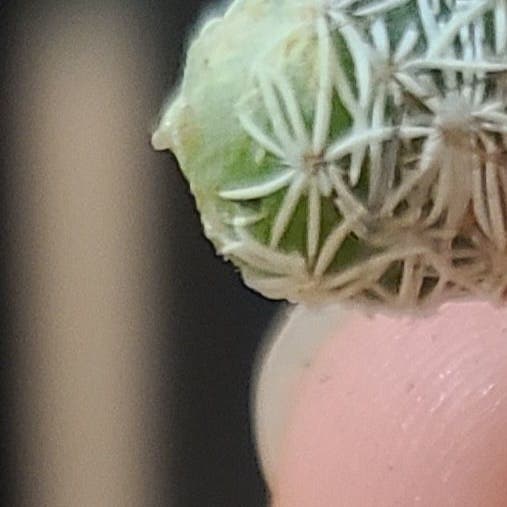
🌵 Why Are My Coryphantha pallida Leaves Falling Over?
Coryphantha pallida
By the Greg Editorial Team
Apr 13, 2024•4 min read
This article was created with the help of AI so we can cover more plants for you. May contain errors. See one? Report it here.
Prevent your cactus from drooping 🌵 with these fail-proof care tips for a perky Coryphantha pallida!
- Overwatering? Yellow, mushy leaves and clingy soil are telltale signs.
- 🌞 Light Deficiency: Weak stems and droopy leaves need bright, indirect sunlight.
- 🐜 Pests/Diseases Present? Inspect regularly and treat with water or insecticidal soap.
When Water Gets Too Cozy: Overwatering Woes
💧 Spotting the Signs of Overwatering
Yellow, mushy leaves are screaming for help; they're classic overwatering giveaways. If the soil clings to your fingers like a bad habit, it's too wet. A pot that feels like a lead balloon? Red flag. Musty soil smell? Your plant's SOS signal.
🚱 Saving the Soaked
First, hold off on the water. Let the soil channel its inner desert before you even think about the watering can again. If the pot's interior is reminiscent of a swamp, it's time for a soil transplant. Remember, your Coryphantha pallida isn't trying to win a swimming medal.
💦 Watering Wisdom
Watering is an art, not a splash fest. Let the top inch of soil dry out before going in for another round. Aim for the soil, not the leaves—unless you're gunning for a fungal fiesta. And please, for the love of greenery, make sure your pot has drainage holes. Your plant's roots need to breathe, not drown.
Light: The Balancing Act
🌞 Stretching Out for Sunlight
Weak stems and droopy leaves in Coryphantha pallida can signal a light deficiency. Without adequate light, the plant stretches towards the nearest light source, becoming leggy and unstable. This condition, known as etiolation, compromises the plant's structure and appearance.
🌅 Let There Be Light (But Not Too Much)
Bright, indirect sunlight is the sweet spot for Coryphantha pallida. Direct sun can scorch leaves, while too little light leads to etiolation. Position the plant near a north-facing window or behind a sheer curtain to filter intense rays. Regularly rotate the plant to ensure even light distribution and prevent one-sided growth. Adjust your watering schedule to match the light conditions, as plants in lower light use less water.
Unwanted Guests: Pests and Diseases
🐜 Detecting the Culprits
Pests and diseases can turn your Coryphantha pallida's leaves into a droopy mess. Inspect your plant regularly for the usual suspects: aphids, spider mites, and the dreaded fungal infections like root rot. Look for discoloration, sticky substances, or a fine, web-like material. These are the red flags that your plant is under siege.
💥 Fight Back: Treatment and Prevention
When you spot trouble, it's time for some plant triage. Isolate the patient to prevent an epidemic. If pests are partying, show them the exit with a blast of water or a dab of insecticidal soap. For fungal infections, prune the affected areas and crank up the airflow. Prevention is your best bet: keep the leaves dry and the air moving to avoid these issues in the first place. If all else fails and the situation looks dire, consider a targeted fungicide or miticide, but always as a last resort. Remember, a clean plant is a happy plant, so keep those tools and pots sterile.
Propping Up Your Plant: Support and Stability
🌱 The Right Foundation: Soil and Pot Selection
Choosing the right soil mix is like picking the perfect mattress for a good night's sleep—it's crucial for your Coryphantha pallida's posture. A concoction of potting soil, perlite, and peat moss offers the drainage and breathability your plant craves.
When it comes to pots, size does matter. Too small, and your plant's roots get claustrophobic; too large, and the soil stays wet, inviting rot. Ensure your pot has drainage holes—they're the unsung heroes in the fight against overwatering.
🌿 Giving a Helping Hand
Sometimes, your Coryphantha pallida needs a little backup to stay upright. Stakes or ties can offer that extra support, like a trusty sidekick for your leafy friend. Think of it as giving your plant a spine of steel—or at least of bamboo or plastic.
Regularly rotate your plant to ensure even growth. It's like ensuring your plant gets a well-rounded workout, preventing it from leaning too much into the light. Keep an eye on the prize: a plant that stands tall and proud, without any slouching.
⚠️ Safety First
This content is for general information and may contain errors, omissions, or outdated details. It is not medical, veterinary advice, or an endorsement of therapeutic claims.
Always consult a qualified healthcare professional before using any plant as food, medicine, or supplement.
Never eat any plant (or feed one to pets) without confirming its identity with at least two trusted sources.
If you suspect poisoning, call Poison Control (800) 222-1222, the Pet Poison Helpline (800) 213-6680, or your local emergency service immediately.
Spotted an error? Please report it here.
Ensure your Coryphantha pallida never suffers from droopy leaves again with Greg's customized care plan 🌞, which includes precise watering reminders and sunlight positioning tips!