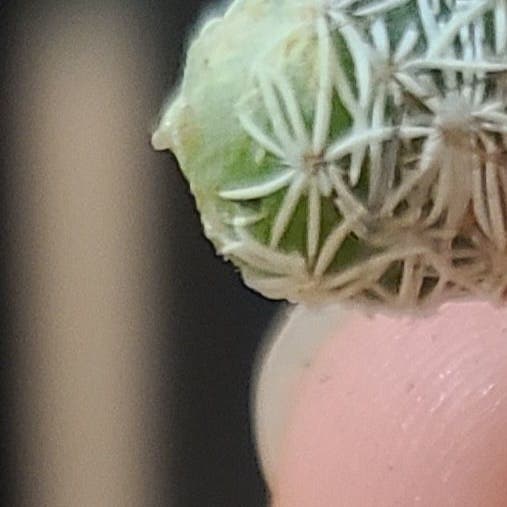
5 Tips for Growing Pale Coryphantha 🌵
Coryphantha pallida
By the Greg Editorial Team
Sep 28, 2024•5 min read
This article was created with the help of AI so we can cover more plants for you. May contain errors. See one? Report it here.
Unlock the secrets to thriving Pale Coryphantha 🌵 with expert tips on care, watering, and pest management for a vibrant garden!
- 🌞 Bright, sunny spots are essential for your Pale Coryphantha's growth—aim for 6 hours daily.
- 🌱 Well-draining soil prevents root rot; mix potting soil, sand, and perlite for best results.
- 💧 Water every 2-3 weeks during growth; adjust frequency with the seasons for optimal health.
Cultivation Techniques
🌍 Choosing the Right Location
Selecting the right location for your Pale Coryphantha is crucial for its growth.
Indoor vs. Outdoor
For indoor settings, aim for bright, sunny windowsills that receive at least 6 hours of direct sunlight daily. If you're planting outdoors, ensure full sun exposure in well-drained areas, while also protecting your cactus from heavy rain.
🏗️ Soil Preparation
The foundation of healthy growth lies in proper soil preparation.
Types of Soil
Opt for a well-draining cactus mix or create your own blend using potting soil, sand, and perlite. This combination promotes healthy root development and prevents water retention.
Drainage Needs
Always ensure your pots have drainage holes. This simple step is vital to avoid water retention, which can lead to root rot and other issues.
🌱 Planting Techniques
Proper planting techniques set the stage for robust growth.
Spacing
When planting outdoors, space your Pale Coryphantha at least 12 inches apart. This allows each plant enough room to grow without overcrowding.
Depth
Plant your cactus at the same depth it was in the nursery pot. Make sure the crown is above soil level to promote healthy growth and prevent rot.
With these cultivation techniques in place, your Pale Coryphantha will thrive, setting you up for success in the next stages of care.
Watering and Fertilizing
Watering Schedule and Techniques 🌊
Watering your Pale Coryphantha is crucial for its health. During the growing season, aim to water every 2-3 weeks, ensuring the soil is thoroughly moistened.
As the seasons change, reduce your watering frequency in fall and winter to about once a month or less. This helps mimic the plant's natural dormancy period.
When watering, do it thoroughly until you see drainage from the bottom of the pot. Avoid overhead watering to prevent moisture from sitting on the pads, which can lead to rot.
Fertilizing Guidelines 🌱
Choosing the right fertilizer can make a significant difference in your cactus's growth. A diluted cactus fertilizer or a balanced, water-soluble option with an NPK ratio of 10-10-10 works well.
Fertilize every 4-6 weeks during the growing season to provide essential nutrients. Remember to skip fertilizing in winter, as the plant is resting and doesn’t need extra food.
With the right watering and fertilizing techniques, your Pale Coryphantha will thrive. Next, let’s explore ongoing care to keep your cactus healthy year-round.
Ongoing Care
Pruning Techniques ✂️
Pruning is essential for maintaining the health of your Pale Coryphantha. Aim to prune in late winter or early spring, just before new growth starts.
When pruning, focus on removing dead or damaged pads. Use clean, sharp tools to ensure a smooth cut and minimize stress on the plant.
Seasonal Care Considerations 🌦️
Understanding seasonal changes is crucial for your cactus's well-being. During winter dormancy, reduce watering and keep your plant in a cooler location, ideally around 50°F (10°C).
As summer approaches, increase your watering frequency. Ensure your Pale Coryphantha receives plenty of sunlight to thrive during the growing season.
This ongoing care will set the stage for a healthy, vibrant cactus. Next, let’s explore common challenges you might face while growing your Pale Coryphantha.
Common Challenges
🐛 Identifying and Managing Pests
Pale Coryphantha can face pest issues, with mealybugs and spider mites being the most common culprits. Mealybugs appear as white, cottony masses on pads; treat them promptly with insecticidal soap to keep your plant healthy.
Spider mites, on the other hand, leave fine webbing on your cactus. To combat these pests, increase humidity around the plant and consider using miticides for effective control.
🦠 Addressing Diseases
Fungal issues can also plague your Pale Coryphantha. Look for brown spots or mushy areas, which are telltale signs of infection; treat these with fungicides and ensure good air circulation to promote recovery.
Root rot is another concern, often indicated by wilting despite adequate watering. To prevent this, make sure your pot has proper drainage and avoid overwatering.
🌡️ Overcoming Environmental Challenges
Temperature plays a crucial role in the health of your cactus. The ideal range is between 70°F to 100°F (21°C to 38°C); be sure to protect your plant from frost to avoid damage.
Humidity is equally important. Pale Coryphantha prefers low humidity levels, so steer clear of overly humid environments to prevent rot and other complications.
By staying vigilant about pests, diseases, and environmental conditions, you can ensure your Pale Coryphantha thrives. Next, let’s explore the differences between container and outdoor growing to find the best fit for your gardening style.
Container vs. Outdoor Growing
🌱 Benefits of Container Gardening
Container gardening offers remarkable mobility. You can easily move your Pale Coryphantha indoors during cold months, protecting it from frost and harsh weather.
Another advantage is soil control. With containers, you can customize your soil mix to ensure optimal drainage, which is crucial for preventing root rot.
🌞 Tips for Outdoor Growing
When growing outdoors, consider your climate. Ensure that the local conditions align with the plant's growth requirements, and take precautions against heavy rain.
Additionally, protect your cacti from the elements. Using shade cloth during extreme heat can help, while applying mulch retains soil moisture, keeping your plants healthy and thriving.
Transitioning between container and outdoor growing can be a rewarding journey. Understanding these aspects will set you up for success as you nurture your Pale Coryphantha.
⚠️ Safety First
This content is for general information and may contain errors, omissions, or outdated details. It is not medical, veterinary advice, or an endorsement of therapeutic claims.
Always consult a qualified healthcare professional before using any plant as food, medicine, or supplement.
Never eat any plant (or feed one to pets) without confirming its identity with at least two trusted sources.
If you suspect poisoning, call Poison Control (800) 222-1222, the Pet Poison Helpline (800) 213-6680, or your local emergency service immediately.
Spotted an error? Please report it here.
Ensure your Pale Coryphantha thrives with custom watering reminders 🌵 from Greg, guiding you through the essential care tips for a flourishing cactus garden!