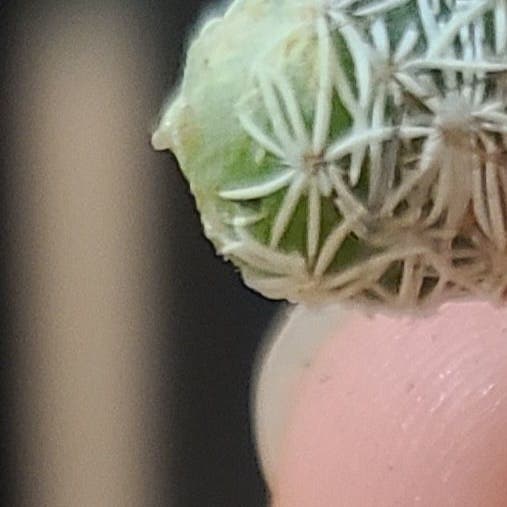
Should I Repot My Coryphantha pallida?
Coryphantha pallida
By the Greg Editorial Team
Apr 13, 2024•4 min read
This article was created with the help of AI so we can cover more plants for you. May contain errors. See one? Report it here.
Discover the secret to a thriving Coryphantha pallida 🌵—knowing when a pot switch-up spells peak health and happiness!
- Roots peeking out? Time to repot your Coryphantha pallida.
- Sluggish growth and waterlogging signal repotting necessity.
- Terracotta pots and well-draining soil mix are best for repotting.
Spotting the Tell-Tale Signs to Repot
🌱 Root Tango in a Tiny Dance Floor
Roots should be comfortably underground, not making a break for it through the drainage holes. If you see a root escape attempt, it's time to repot.
🐌 Sluggish Growth: More Than Just a Lazy Phase
When growth slows to a snail's pace, your Coryphantha pallida isn't just being lazy—it's cramped. Listen to its silent plea for space.
💧 Water, Water Everywhere, But Not a Drop to Drink
If water sits in the pot like a stagnant pond, it's a clear sign of drainage distress. Your cactus is shouting for a repotting SOS.
The Great Move: Repotting Your Coryphantha pallida
🌵 Prepping the Stage: Choosing Your Pot and Mix
Size matters when selecting a new pot for your Coryphantha pallida. Aim for one that's just a couple of inches larger in diameter than the old one. This isn't about super-sizing; it's about giving your cactus the right amount of room to grow without overwhelming it.
For the potting mix, think drainage is king. A commercial cactus mix is your go-to, but for the DIYers, a blend of one part peat moss, one part perlite, and one part vermiculite will make your cactus sing with joy. It's all about creating a well-aerated environment where water can say a quick hello and goodbye.
🎉 The Main Event: Plant Meets New Pot
First, gloves on—those spines aren't a joke. Gently coax your cactus from its current pot; if it plays hard to get, tap the pot's sides or water lightly the day before. Once it's out, it's time for some root TLC. Brush off the old soil, and if you spot any dead or rotting roots, it's snip-snip time.
Now, introduce your cactus to its new home. Center it in the pot and introduce it to the fresh soil mix, ensuring you're not burying the plant's base. It's not a treasure; it doesn't need to be buried. Water your cactus with the enthusiasm of a light rain, not a monsoon, and let it settle in. Remember, patience is your new best friend during this transition.
Picking the Perfect Pot: Material Matters
🏺 Terracotta: The Breathable Abode
Terracotta is the MVP for moisture management, its porous walls allowing for air flow and evaporation. This means less risk of waterlogged soil, making it a top choice for Coryphantha pallida enthusiasts.
🥤 Plastic Pots: A Risky Affair?
Plastic pots are a gamble with their moisture retention. They're lightweight and won't break the bank, but be vigilant with watering; these pots can create a swampy situation for your cactus's roots.
🏺 Ceramic: Chic but Tricky
Ceramic pots add a touch of elegance, but they're like a double-edged sword. While they offer better moisture retention than terracotta, they can be pricey and heavy. Ensure they have drainage holes to avoid soggy soil scenarios.
Wrapping It Up: The Ideal Home for Your Spiky Friend
In the quest for the perfect pot for your Coryphantha pallida, material is king. Terracotta pots reign supreme with their moisture-wicking prowess, ensuring your cactus isn't sitting in soggy soil. But don't dismiss plastic just yet; it's lightweight and cost-effective, ideal if you're repositioning your plants frequently or sticking to a budget.
Ceramic pots are the stylish contenders, but they can be tricky with water retention. If you go ceramic, be vigilant with your watering schedule. Remember, the goal is to mimic the cactus's natural, arid habitat, not a tropical rainforest.
🌵 Final Tips for a Successful Repotting Experience
- Size Up: Don't play a guessing game with pot size. A pot that's too large can lead to waterlogging, while a cramped one will stunt your cactus's growth. Aim for a pot that's about 10-20% larger than the current one.
- Drainage is Non-Negotiable: Ensure your chosen pot has adequate drainage holes. Your cactus's roots despise a prolonged soak.
- Soil Matters: Mix a well-draining soil that's part sand, part organic matter. Your cactus craves a balance of nutrients and drainage.
- Gentle Handling: When transferring your cactus, handle with care. Use kitchen tongs if you need to avoid the spines.
- Post-Repotting Care: After the move, give your cactus time to acclimate. Avoid watering immediately to let any disturbed roots heal.
Choosing the right pot and repotting your Coryphantha pallida isn't just about aesthetics; it's about providing a supportive environment for growth and vitality. With these tips, your spiky friend will be set for success.
⚠️ Safety First
This content is for general information and may contain errors, omissions, or outdated details. It is not medical, veterinary advice, or an endorsement of therapeutic claims.
Always consult a qualified healthcare professional before using any plant as food, medicine, or supplement.
Never eat any plant (or feed one to pets) without confirming its identity with at least two trusted sources.
If you suspect poisoning, call Poison Control (800) 222-1222, the Pet Poison Helpline (800) 213-6680, or your local emergency service immediately.
Spotted an error? Please report it here.
Keep your Coryphantha pallida growing strong 🌵 with Greg's tailored repotting reminders, ensuring perfect pot size and drainage from the tips in this article.