🌞 Is My Coryphantha pallida Getting Too Much Direct Sunlight?
Coryphantha pallida
By the Greg Editorial Team
Apr 13, 2024•5 min read
This article was created with the help of AI so we can cover more plants for you. May contain errors. See one? Report it here.
Shield your Coryphantha pallida 🌵 from sunburn and master its care for a perfectly plump, green glow.
- 🌵 Discoloration and crispy patches indicate too much sun for Coryphantha pallida.
- Morning sun preferred; 4-6 hours ideal to avoid leaf-frying afternoon rays.
- East or west window placement best, adjust with seasons for optimal light.
Spotting the Signs: Is Your Coryphantha pallida Sunburned?
🌞 Visual cues of too much sun
Discoloration is your first red flag. If your Coryphantha pallida starts sporting a new palette of yellow or brown, it's not trying out a new look—it's likely sun-stressed. Crispy patches on the skin are akin to the plant's version of a bad sunburn. When vibrant greens fade, it's a clear sign that your cactus is crying out for some shade.
🌱 Changes in growth patterns
Watch for stunted growth or an unusual stretching towards the light, which indicates your Coryphantha pallida is not in its happy place. A healthy cactus grows evenly, without reaching or straining for the sun. If you notice leaf deformities or a sudden halt in growth, it's time to reassess your plant's sunbathing habits.
🌵 What healthy Coryphantha pallida should look like
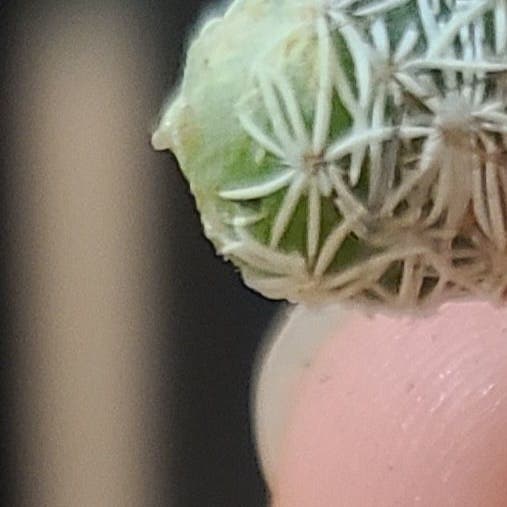
A thriving Coryphantha pallida boasts a uniform green color, free of brown or yellow spots. Its skin should be firm and plump, indicating adequate hydration and sun protection. When your cactus maintains a consistent growth pattern without any signs of distress, you'll know you've hit the sweet spot for sunlight exposure.
Coryphantha pallida and the Sun: Finding the Sweet Spot
🌞 Ideal sunlight conditions for Coryphantha pallida
Coryphantha pallida is a sun worshipper at heart, but even the most devout can overdo their devotions. The ideal conditions mimic its natural desert habitat—bright but not blazing. Think of a spot that's sunny yet shielded from the sun's full fury.
🌅 How much direct sun can Coryphantha pallida handle?
This desert native can handle more sun than your average houseplant, but it's not invincible. Four to six hours of direct sunlight is its sweet spot. Beyond that, you're entering the danger zone where the sun's rays go from life-giving to leaf-frying.
☀️ The truth about morning vs. afternoon sun
Morning sun is like a gentle wake-up call, invigorating yet soothing. Coryphantha pallida loves this kind of start to the day. Afternoon sun, on the other hand, is the heavyweight champion of sunlight—intense and powerful. It's best to protect your cactus from this peak heat to prevent sunburn.
Home Sweet Home: Where to Place Your Coryphantha pallida
Finding the optimal spot for your Coryphantha pallida isn't just about aesthetics; it's about harnessing the right amount of sunlight to keep your cactus happy. Let's dive into the specifics.
🌞 Window direction wisdom: North, South, East, or West?
East or west-facing windows are your cactus comrades. They provide a balanced diet of sunlight—intense morning light from the east and softer afternoon glow from the west. South-facing windows can be too intense, especially in the summer, risking a sunburnt cactus. North-facing windows may leave your Coryphantha pallida yearning for more light, leading to a pale and stretched-out appearance.
🌍 Hemisphere hints: Adjusting for your location
Your hemisphere matters. In the Northern Hemisphere, south-facing windows are a sun-soaked haven in winter, but a potential scorch zone in summer. Flip the script if you're in the Southern Hemisphere—north-facing windows are your go-to for maximum light. Remember, as the seasons change, so should your plant's position to maintain that sweet sunlight equilibrium.
📏 Distance from the window: A game of inches
It's a delicate dance—too close to the window, and your cactus could get sunburnt; too far, and it might not get enough light. Start with your Coryphantha pallida a few feet away from the window and observe its response. If it starts to look crispy, pull it back. If it seems to be reaching for the light, inch it closer. It's about finding that perfect spot where your cactus thrives, not just survives.
Seasonal Sun Shifts: Adapting Coryphantha pallida Care Throughout the Year
🌞 Summer sun strategies
Summer means more daylight and often more heat. Your Coryphantha pallida will generally enjoy this, but there's a limit. Avoid the scorching midday sun by positioning it in a spot with morning light or light shade during peak hours.
❄️ Winter light woes
During winter, the sun's rays are weaker, and daylight hours are shorter. Move your plant closer to the brightest window available to maximize light exposure. Beware of cold drafts though; Coryphantha pallida dislikes the chill.
🍂 Transitioning between seasons
As seasons change, so should your care routine. In spring and fall, conditions are milder, making them ideal for adjusting your plant's position gradually. Monitor your Coryphantha pallida for signs of stress and adapt accordingly.
Rescue and Recovery: Helping Your Coryphantha pallida After Too Much Sun
🌞 First Aid for Sunburned Coryphantha pallida
If your Coryphantha pallida is looking more crispy than perky, it's time for some TLC. Immediate relocation is your first step. Get your plant out of the sun's harsh spotlight and into a shadier, cooler locale. This isn't just a cosmetic fix—it's critical care. Next, with sterilized precision, remove the damaged parts. This isn't plant surgery for the faint of heart, but it's necessary to prevent decay and allow for new growth.
🌅 Acclimating Your Plant to Sunlight Changes
Think of acclimating your Coryphantha pallida to sunlight as a slow dance rather than a race. Start by introducing your plant to gentler morning light, and gradually increase its sun exposure. This is the plant equivalent of dipping your toes before the full plunge. Keep a watchful eye for any signs of distress, and dial back if you see any sunburn sequelae.
🎨 Creating Shade: DIY Solutions
Sometimes, you've got to get crafty. If your plant's new spot still gets some direct rays, rig up a DIY shade. A sheer curtain or a strategically placed bookshelf can work wonders. It's like sunscreen for your succulent. Remember, your Coryphantha pallida doesn't need a tan; it needs consistent, loving care with just the right amount of sun-kissed glow.
⚠️ Safety First
This content is for general information and may contain errors, omissions, or outdated details. It is not medical, veterinary advice, or an endorsement of therapeutic claims.
Always consult a qualified healthcare professional before using any plant as food, medicine, or supplement.
Never eat any plant (or feed one to pets) without confirming its identity with at least two trusted sources.
If you suspect poisoning, call Poison Control (800) 222-1222, the Pet Poison Helpline (800) 213-6680, or your local emergency service immediately.
Spotted an error? Please report it here.
Keep your Coryphantha pallida 🌵 perfectly sun-kissed by using Greg's PlantVision to monitor sunlight exposure and ensure it's never too much or too little.