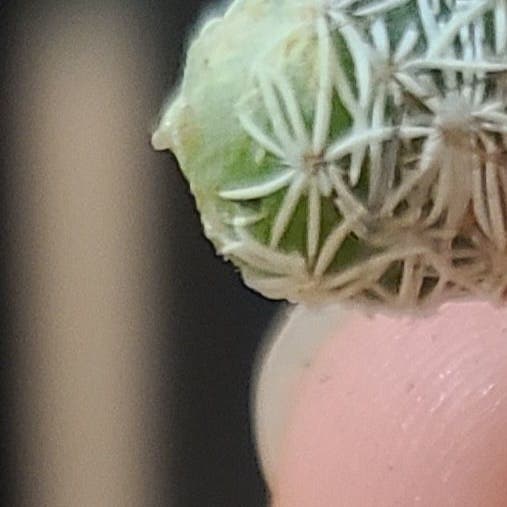
🌵 Introduction to Redspine Cory Cactus
Coryphantha pallida
By the Greg Editorial Team
Feb 02, 2025•12 min read
This article was created with the help of AI so we can cover more plants for you. May contain errors. See one? Report it here.
Elevate your garden with the resilient Redspine Cory Cactus, a stunning, low-maintenance beauty that thrives on neglect! 🌵
- 🌞 Redspine Cory Cactus needs 6-8 hours of sunlight daily for optimal growth.
- 💧 Water only when soil is dry to prevent yellowing and mushy stems.
- 🌱 Low-maintenance and drought-tolerant, perfect for beginners and arid climates.
How to Grow
🌞 Choosing a Location
To thrive, the Redspine Cory Cactus needs full sun exposure, ideally basking in 6 to 8 hours of sunlight daily. Whether you opt for outdoor planting or container growth, ensure the location receives ample light to promote healthy growth.
🏖️ Soil Preparation
A well-draining soil mix is crucial for your cactus. Consider using a cactus mix or sandy loam, and aim for a soil pH that is slightly acidic to neutral, ranging from 6.0 to 7.0.
🌱 Planting Techniques
When planting, ensure the top of the root ball is level with the soil surface. For outdoor planting, space your cacti 12 to 18 inches apart to allow for their natural growth.
💧 Watering Requirements
Watering is a delicate balance; allow the soil to dry out completely between waterings. Watch for signs of overwatering, such as yellowing or mushy stems, which can indicate that your cactus is unhappy.
🌿 Fertilizing Schedule
During the growing season, fertilize your cactus every 4 to 6 weeks. Use a low-nitrogen, balanced cactus fertilizer to support its growth without overwhelming it.
✂️ Pruning Methods
Pruning is essential for maintaining your cactus's health. Remove any dead or damaged spines and stems using clean, sharp pruning shears to prevent disease and encourage new growth.
🐞 Ongoing Care for Outdoor and Container Growth
Regularly monitor your cactus for pests and diseases, as they can be sneaky. Adjust your care routine seasonally based on temperature and humidity to keep your cactus thriving year-round.
With these guidelines, you’re well on your way to cultivating a healthy Redspine Cory Cactus. Next, let’s explore how to propagate this resilient plant for even more growth opportunities!
Propagation
🌱 Methods of Propagation
Propagating the Redspine Cory Cactus can be an exciting venture for any plant enthusiast. You can choose between two primary methods: seeds and cuttings.
📋 Step-by-Step Instructions for Each Method
🌾 Seeds
- Soak Seeds: Start by soaking the seeds in water for 24 hours before planting. This helps to soften the seed coat and encourages germination.
- Sow Seeds: After soaking, sow the seeds on the surface of well-draining soil. Lightly cover them with a thin layer of soil to ensure they have the right conditions to sprout.
- Maintain Humidity: Keep the soil humid until germination, which typically takes 2-3 weeks. A clear plastic cover can help retain moisture during this period.
✂️ Cuttings
- Prepare Cuttings: Take healthy stem cuttings and allow them to callous for 1-2 days. This step is crucial as it helps prevent rot when planted.
- Plant Cuttings: Once calloused, plant the cuttings in a well-draining soil mix. Water them sparingly to avoid overwatering, which can lead to root rot.
With these simple methods, you can successfully propagate your Redspine Cory Cactus and enjoy watching new plants thrive. Whether you choose seeds or cuttings, both methods are relatively easy and rewarding.
As you embark on this propagation journey, remember that patience is key. Each method has its unique charm, and soon enough, you’ll have new cacti to admire or share with friends!
Lifecycle
Lifecycle Stages 🌱
The lifecycle of the Redspine Cory Cactus unfolds in several distinct stages.
Germination: This initial phase takes about 2-3 weeks for seeds to sprout.
Seedling Stage: Here, the cactus develops its first true leaves, marking its transition to a more established plant.
Vegetative Growth: During this stage, the cactus focuses on establishing strong roots and stems, preparing for future growth.
Flowering: Expect vibrant blooms in late spring to summer, adding a splash of color to your garden.
Seed Production: After flowering, the cactus produces seeds within its fruit, completing the cycle and ensuring future generations.
Lifespan and Growth Timeline ⏳
The Redspine Cory Cactus boasts an impressive lifespan, typically ranging from 10 to 30 years, depending on the care it receives.
It generally takes about 3-5 years to reach maturity, making it a rewarding addition to your plant collection.
With proper attention, you'll witness its growth and resilience, embodying the spirit of endurance that cacti are known for.
As you nurture your cactus, remember that each stage of its lifecycle offers a unique opportunity to appreciate its beauty and adaptability.
This understanding of its lifecycle will also help you anticipate its needs as it grows, ensuring a thriving plant in your home or garden.
Next, we’ll explore the size of the Redspine Cory Cactus and how its growth habits can vary based on different conditions.
Size
Mature Height and Spread 🌵
The Redspine Cory Cactus typically reaches a mature height of 1 to 3 feet. Its spread can range from 1 to 2 feet wide, making it a compact yet striking addition to any garden.
Growth Habits and Rate 📈
This cactus exhibits a moderate growth rate, which can vary based on light and water availability. Providing optimal conditions will encourage more vigorous growth.
Size Variability Based on Growing Conditions 🌍
Growing conditions significantly influence the size of the Redspine Cory Cactus. For instance, cacti grown in containers may remain smaller compared to those planted outdoors.
Soil quality and watering practices also play a crucial role in determining overall size. Well-draining soil and appropriate watering can lead to healthier, larger plants.
As you cultivate your Redspine Cory Cactus, keep these factors in mind to maximize its growth potential. Next, let’s explore the fascinating lifecycle of this resilient plant.
Roots
Characteristics of the Root System 🌱
The Redspine Cory Cactus features a fibrous root system that is typically shallow. These roots spread outwards, allowing the plant to efficiently absorb moisture and nutrients from the surrounding soil.
Common Root-Related Issues 🚫
One of the most common problems is root rot, which occurs due to overwatering. Signs of root rot include mushy roots, and the best solution is to allow the soil to dry out and improve drainage.
Identifying Healthy vs. Unhealthy Roots 🧐
Healthy roots are firm and exhibit a white or light tan color. In contrast, unhealthy roots are dark, mushy, or emit a foul smell, indicating a need for immediate attention.
Recognizing Rootbound Plants and Solutions 🪴
If you notice roots growing out of the drainage holes, your cactus may be rootbound. The solution is simple: repot the plant into a larger container with fresh soil to give it room to thrive.
This understanding of the root system is crucial for maintaining the health of your Redspine Cory Cactus. Next, we will explore the benefits of growing this unique plant.
Benefits
Top 5 Benefits of Growing 🌵
Growing the Redspine Cory Cactus offers numerous advantages that make it a fantastic choice for both novice and experienced gardeners.
Drought Tolerance: This cactus thrives on minimal water, making it perfect for arid climates. Its ability to survive long periods without moisture is a game-changer for those looking to conserve water.
Low Maintenance: With its easy-care nature, the Redspine Cory Cactus is ideal for beginners. It requires little attention, allowing you to enjoy its beauty without the stress of constant upkeep.
Aesthetic Appeal: The unique spines of this cactus add a striking visual element to any garden. Its distinctive look can enhance your outdoor space, making it a conversation starter.
Air Purification: Beyond its beauty, this cactus contributes to improved indoor air quality. It helps filter out toxins, making your living environment healthier.
Cultural Significance: In many cultures, cacti symbolize resilience and adaptability. Growing the Redspine Cory Cactus can serve as a reminder of these qualities, inspiring you in your daily life.
These benefits highlight why the Redspine Cory Cactus is more than just a plant; it's a valuable addition to your home or garden. Ready to learn how to grow this resilient beauty? Let’s dive into the next section!
Companion Plants
🌱 Concept of Companion Planting
Companion planting is all about creating a harmonious garden environment. By pairing plants that benefit each other, you can enhance garden diversity and improve pest management.
🌼 Best Companion Plants
When it comes to the Redspine Cory Cactus, certain companions thrive alongside it:
- Succulents: They share similar water needs and add to the visual appeal.
- Herbs: Plants like rosemary and thyme not only look great but also help deter pests.
🚫 Plants to Avoid
Be cautious with high-water-demand plants. Ferns and tropical plants can compete for moisture, which may stress your cactus and hinder its growth.
By choosing the right companions, you can create a thriving ecosystem that supports your Redspine Cory Cactus while minimizing potential issues. Next, let’s explore the safety of this cactus for humans and pets.
Toxicity to Humans
🛡️ Safety of Redspine Cory Cactus for Humans
The Redspine Cory Cactus is generally safe for humans, as it is not listed as toxic by major poison control centers. However, it’s wise to be cautious; mild skin irritation can occur from contact with its spines, and consuming large quantities may lead to minor digestive discomfort.
Always exercise caution with any plant. If you experience unusual symptoms after handling or ingesting parts of the cactus, seeking medical advice is a prudent step.
This cactus can be a delightful addition to your home or garden, but understanding its safety profile ensures a worry-free experience. Next, let’s explore how this cactus interacts with our furry friends, particularly dogs.
Toxicity to Dogs
Safety of Redspine Cory Cactus for Dogs 🐶
The Redspine Cory Cactus is generally safe for dogs, as it is not listed as toxic by major pet poison control centers. However, if your furry friend decides to nibble on it, they might experience mild gastrointestinal upset.
Proper Placement 🏠
To ensure your dog's safety, it's best to keep the cactus out of their reach. Curious pups can be quite adventurous, so placing it on a high shelf or in a room that's off-limits can prevent any mishaps.
Monitoring Behavior 👀
Always keep an eye on your dog’s behavior around the cactus. If you notice any unusual interactions or signs of distress, it’s wise to consult your veterinarian for advice.
This cactus can be a beautiful addition to your home, but being mindful of your pet's curiosity is key. With a little care, you can enjoy your Redspine Cory Cactus without worry.
Toxicity to Cats
Safety of Redspine Cory Cactus for Cats 🌵
The Redspine Cory Cactus is generally safe for cats, as it is not listed as toxic by major pet poison control centers. However, if your feline friend consumes a large amount, it may experience mild gastrointestinal upset.
To keep your cat safe, ensure that the cactus is placed out of reach. It's also wise to monitor your cat's behavior around the plant, watching for any unusual interactions that could indicate curiosity or potential discomfort.
Observing Your Cat 🐱
While the Redspine Cory Cactus is not harmful, it's always good practice to be cautious. If you notice your cat showing interest in the cactus, consider providing alternative plants that are safe and engaging for them.
By taking these simple precautions, you can enjoy the beauty of your cactus while keeping your furry companion safe and sound.
Problems
Common Problems Faced 🌵
Incorrect Watering
Watering is crucial for the health of your Redspine Cory Cactus. Overwatering can lead to yellowing and mushy stems, while underwatering results in shriveling and browning.
Incorrect Light Conditions
Light is another key factor. Insufficient light can cause etiolation, where the cactus stretches and leans toward the light source.
Incorrect Temperature
Temperature extremes can stress your cactus. Signs of stress include wilting or discoloration, indicating that your plant may need a more stable environment.
Diseases
Fungal diseases can also pose a threat. Watch for powdery mildew, rust, and black rot, which can all compromise your cactus's health.
Root Problems
Root issues are common as well. Root rot, often a result of overwatering, presents with mushy roots and stunted growth, signaling that immediate action is needed.
Addressing These Problems 🛠️
To keep your Redspine Cory Cactus thriving, monitor watering habits closely, ensure it gets adequate light, and maintain a stable temperature. Regular checks for diseases and root health will help you catch issues early, ensuring your cactus remains a vibrant addition to your garden or home.
Next, let’s explore the fascinating world of pests that might affect your cactus.
Bugs
🐜 Potential Pest Issues
While the Redspine Cory Cactus boasts moderate pest resistance, it can still fall prey to a few common pests. Keeping an eye out for these nuisances is essential for maintaining the health of your cactus.
🔍 Identification and Treatment Options
Spider Mites
Spider mites are tiny pests that can wreak havoc on your cactus. Look for fine webbing and stippled leaves as telltale signs of their presence.
- Treatment: Increase humidity around the plant and apply insecticidal soap to eliminate these pests effectively.
Scale Insects
Scale insects can be particularly sneaky, often appearing as small bumps on stems. You might also notice a sticky residue left behind.
- Treatment: Manual removal is effective, followed by the application of horticultural oil to prevent further infestations.
Mealybugs
Mealybugs are another common threat, identifiable by their cotton-like masses on stems and leaves. These pests can weaken your cactus if not addressed promptly.
- Treatment: Use rubbing alcohol on a cotton swab to remove them, and follow up with insecticidal soap for thorough protection.
By staying vigilant and addressing these pest issues promptly, you can ensure your Redspine Cory Cactus thrives in your care. Next, let’s explore the common problems you might encounter while growing this resilient plant.
What Eats
🦌 Common Animals That May Damage
Redspine Cory Cactus can attract various animals, including deer, rabbits, squirrels, and rodents. These creatures may find the cactus appealing, leading to potential damage.
🔍 Signs of Animal Presence and Damage
Look for browsing marks on the stems or missing sections of the cactus as indicators of animal activity. These signs can help you identify if your cactus is being targeted.
🚫 Deterrent Methods
To protect your cactus, consider using chemical deterrents like commercial repellents. Alternatively, you can plant strong-smelling herbs nearby, which can naturally deter these curious critters.
By being proactive, you can enjoy the beauty of your Redspine Cory Cactus without the worry of unwanted visitors. Next, let’s explore the common problems that can arise while caring for this unique plant.
⚠️ Safety First
This content is for general information and may contain errors, omissions, or outdated details. It is not medical, veterinary advice, or an endorsement of therapeutic claims.
Always consult a qualified healthcare professional before using any plant as food, medicine, or supplement.
Never eat any plant (or feed one to pets) without confirming its identity with at least two trusted sources.
If you suspect poisoning, call Poison Control (800) 222-1222, the Pet Poison Helpline (800) 213-6680, or your local emergency service immediately.
Spotted an error? Please report it here.
Cultivate your Redspine Cory Cactus with confidence 🌵 by using Greg's tailored watering alerts and expert tips to keep it thriving for years to come!