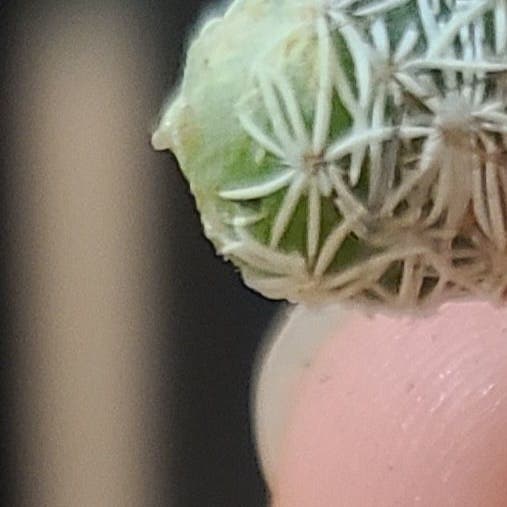
🌵 How Much Humidity Does My Coryphantha pallida Need?
Coryphantha pallida
By the Greg Editorial Team
Apr 13, 2024•3 min read
This article was created with the help of AI so we can cover more plants for you. May contain errors. See one? Report it here.
Discover the secret to a flourishing Coryphantha pallida by nailing the perfect humidity balance! 🌵💧
- Desert native needs dryness, but watch for dehydration signs.
- 🌵 Ideal humidity: 30-50% - use a hygrometer to monitor.
- Increase or decrease humidity with pebble trays, airflow, or dehumidifiers.
Spotting the Signs: Coryphantha pallida and Humidity
🏜️ When It's Too Dry
Coryphantha pallida, like a desert native, craves dryness but has its limits. Shriveled stems or brown, crispy tips on the plant's globular body scream dehydration. This succulent's plea for more atmospheric moisture is subtle, yet ignoring it can stifle flowering and stunt growth.
🌧️ When It's Too Humid
Conversely, too much humidity can turn your Coryphantha pallida's life into a soggy mess. Mold or soft, yellowing tissue are the red flags of excess moisture. High humidity invites fungal parties and root rot, turning your cactus's cozy pot into a danger zone.
Measuring Up: Tools to Track Humidity
💧 Choosing a Hygrometer
Hygrometers are the go-to gadgets for keeping your Coryphantha pallida from throwing a humidity fit. Digital models are your best bet, offering that sweet precision without the fuss. Place it near your cactus, but steer clear of the sun's deceptive rays and drafts that could skew the readings.
📊 Interpreting the Numbers
Now, about those numbers. A hygrometer doesn't just spit out digits for fun—it's telling you if your plant's in its happy place or if it's time to take action. Consistency is key, so check the humidity at various times to catch any drama before it unfolds. Your Coryphantha pallida will thank you for not leaving it in a dry spell or a moist mess.
The Sweet Spot: Ideal Humidity for Coryphantha pallida
🌵 Coryphantha pallida's Desert Roots
Coryphantha pallida is a desert dweller at heart. Its natural habitat is one of arid skies and parched earth, where humidity is a rare commodity. This cactus has evolved to not only survive but thrive in conditions that would leave other plants gasping.
The Perfect Range
When it comes to humidity, Coryphantha pallida is all about that low-key lifestyle. Aim for a relative humidity (RH) between 30% and 50%. This is the sweet spot where this spiky friend feels most at home. Stray too far above, and you're flirting with fungal infections; dip below, and you risk desiccating its plump, water-storing body. Keep it in the zone, and watch your cactus live its best life.
Balancing Act: Adjusting Humidity Levels
🌵 Raising the Stakes
Coryphantha pallida thrives in arid conditions, but sometimes indoor air is too dry even for this desert dweller. To increase humidity, start with a pebble tray. Just fill a tray with stones, add water, and set your cactus on top. Evaporation does the rest, subtly upping the moisture without creating a tropical rainforest.
Grouping plants is another clever trick. It's like a mini ecosystem where each plant contributes to the communal humidity through transpiration. The result? A microclimate that's just right.
Bringing It Down
On the flip side, too much humidity can spell disaster. Airflow is your ally here. Crack a window or employ a fan to get the air moving. It's a simple fix that can prevent your cactus from becoming a mold magnet.
If you're dealing with a serious moisture fest, consider spacing out your plants. It's not just good for their social life; it helps keep the air around them drier. And remember, well-draining soil is non-negotiable. It's your first line of defense against the swampy conditions that can lead to root rot.
Lastly, if your home is more sauna than desert, a dehumidifier might be your best bet. It's the heavy artillery in your battle against dampness, giving you control to dial back the humidity to levels your Coryphantha pallida will love.
⚠️ Safety First
This content is for general information and may contain errors, omissions, or outdated details. It is not medical, veterinary advice, or an endorsement of therapeutic claims.
Always consult a qualified healthcare professional before using any plant as food, medicine, or supplement.
Never eat any plant (or feed one to pets) without confirming its identity with at least two trusted sources.
If you suspect poisoning, call Poison Control (800) 222-1222, the Pet Poison Helpline (800) 213-6680, or your local emergency service immediately.
Spotted an error? Please report it here.
Keep your Coryphantha pallida flourishing 🌵 by leveraging Greg's reminders to check humidity levels, ensuring the perfect desert-like conditions without the guesswork.