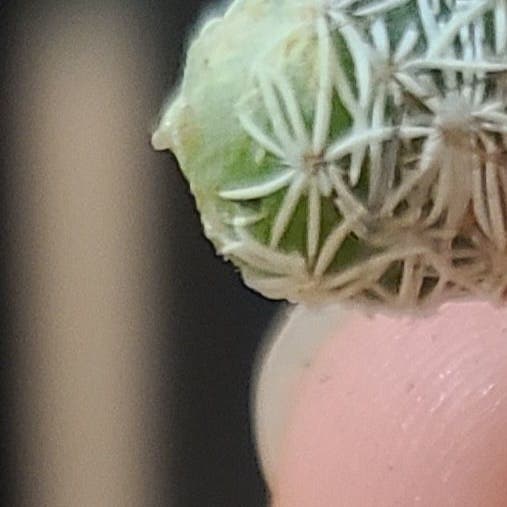
Why Is My Coryphantha pallida Dropping Leaves?
Coryphantha pallida
By the Greg Editorial Team
Apr 13, 2024•4 min read
This article was created with the help of AI so we can cover more plants for you. May contain errors. See one? Report it here.
Stop your cactus's leaf loss 🌵 and ensure its vibrant health with these essential care tips.
- Over/underwatering and temperature swings lead to leaf drop.
- Pests like spider mites, mealybugs cause trouble; control them.
- Consistent watering and stable climate are key to leaf health.
Spotting the Signs of Trouble
🚨 Visual Symptoms
Leaf drop in Coryphantha pallida can be subtle or dramatic, but it's always a signal worth your attention. Look for leaves that have lost their firmness or exhibit discoloration, such as a shift from vibrant green to a dull, lifeless hue. These changes are your plant's way of waving a red flag.
🚨 When to Worry
It's natural for older leaves to bow out gracefully, but when young leaves start to wilt or drop, it's time for you to step in. Consistent symptoms across the plant are more concerning than an isolated incident. If your Coryphantha pallida starts shedding leaves like it's in a rush to get somewhere, that's your cue to play plant detective.
Pinpointing the Culprit
💧 Water Woes
Overwatering and underwatering can both lead to leaf drop in Coryphantha pallida. If the soil feels like a soggy sponge, you've gone overboard. Conversely, soil dry as a bone suggests your cactus is parched. The key is to achieve that moisture balance—think of it as the plant's Goldilocks zone.
🔥 Feeling the Heat (or the Cold)
Temperature swings are like silent assassins for the Coryphantha pallida. Leaves may fall victim to the extremes of your home's microclimates. Keep your cactus away from drafty windows and out of the line of fire from heating vents to prevent temperature-induced leaf drop.
🐜 Unwanted Guests
Pests such as spider mites and mealybugs can wreak havoc, turning leaves into their personal buffets. Sticky residue or visible critters are a clear sign of infestation. A swift response with neem oil or insecticidal soap can help show these pests the door. Remember, cleanliness is a deterrent, so keeping leaves free of dust can prevent future invasions.
First Aid for Fallen Leaves
💧 Adjusting Your Watering Technique
Overwatering and underwatering are the usual suspects when it comes to fallen leaves. Your Coryphantha pallida's soil should feel like a wrung-out sponge—moist but not drenched. If the top inch is a desert, it's time to water. If it's a swamp, give it a break. Remember, the goal is to mimic a natural drought and deluge cycle.
🌡️ Creating a Comfort Zone
Your cactus craves stability. Temperature swings are its nemesis. Find a sweet spot where it won't freeze or fry. If your home swings from sauna to icebox, consider a more insulated location. And don't forget, drafts are the enemy—keep your plant away from those sneaky gusts.
🐜 Evicting Pests
Pests love a good cactus feast. If you spot uninvited diners, give your plant a gentle shower. Still there? Time for insecticidal soap or neem oil. Always check the label—safety isn't just a suggestion. Regular plant inspections are your best defense; catch those critters early.
Keeping Leaves Lush and Attached
💧 The Right Sip and Schedule
To maintain healthy leaves, a consistent watering routine is non-negotiable. Your Coryphantha pallida craves predictability. Water when the top inch of soil feels dry to the touch, but don't let it go thirsty for too long. Seasonal changes mean your plant's hydration needs will shift—more water in the heat, less when it's cooler.
🌡️ Climate Control Tips
Stable environments prevent leaf drop. Keep your plant away from drafts and sudden temperature swings. Aim for a steady temperature that mimics its natural habitat. If your indoor air is dry, consider a pebble tray or humidifier to maintain ambient humidity without making the leaves wet.
🐜 Vigilance Against Vermin
Pests are the party crashers of the plant world. Regularly inspect your Coryphantha pallida for signs of infestation—sticky residue or tiny webbing are red flags. Keep the leaves clean and the surrounding area free of debris to discourage these uninvited guests. If pests do appear, show them the door with appropriate pest control measures. Remember, prevention is easier than cure, so stay on top of this with ongoing monitoring.
⚠️ Safety First
This content is for general information and may contain errors, omissions, or outdated details. It is not medical, veterinary advice, or an endorsement of therapeutic claims.
Always consult a qualified healthcare professional before using any plant as food, medicine, or supplement.
Never eat any plant (or feed one to pets) without confirming its identity with at least two trusted sources.
If you suspect poisoning, call Poison Control (800) 222-1222, the Pet Poison Helpline (800) 213-6680, or your local emergency service immediately.
Spotted an error? Please report it here.
Combat leaf drop in your Coryphantha pallida by balancing 🌵 moisture and temperature with Greg's tailored care reminders and pest alerts!