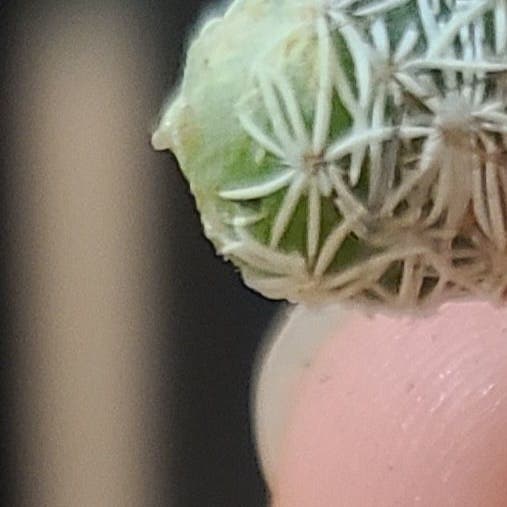
🌵 Key Milestones in Pale Coryphantha Growth
Coryphantha pallida
By the Greg Editorial Team
Sep 28, 2024•7 min read
This article was created with the help of AI so we can cover more plants for you. May contain errors. See one? Report it here.
Master the growth stages of Pale Coryphantha 🌵 to cultivate a thriving cactus from seed to stunning bloom!
- 🌱 Pale Coryphantha seeds germinate in 2-4 weeks under optimal conditions.
- 🌞 Indirect sunlight and well-draining soil are crucial for healthy growth.
- 🌼 Mature plants flower in spring, attracting pollinators for seed production.
Germination Stage
🌱 Duration of Germination
Germination is a crucial first step in the life of a Pale Coryphantha. Typically, you can expect seeds to sprout within 2 to 4 weeks under optimal conditions.
🌞 Conditions for Successful Germination
To ensure successful germination, pay attention to a few key factors:
🌡️ Temperature
Maintain a temperature range of 20°C to 30°C (68°F to 86°F). This warmth is essential for kickstarting the germination process.
🏜️ Soil Requirements
Use a well-draining cactus mix or sandy soil. This prevents water from pooling around the seeds, which can lead to rot.
💡 Light Exposure
Provide indirect sunlight. Direct sunlight can overheat the delicate seedlings, hindering their growth.
🚰 Moisture Levels
Keep the soil consistently moist but avoid waterlogging. A fine balance here is crucial; too much water can drown the seeds, while too little can dry them out.
By creating the right environment, you set the stage for healthy growth. With these conditions met, your Pale Coryphantha seeds will be well on their way to sprouting and thriving.
Next, let’s explore the seedling stage, where the young plants begin to develop their unique characteristics.
Seedling Stage
🌱 Duration of Seedling Growth
The seedling phase of Pale Coryphantha typically lasts around 6 months to 1 year. During this time, the plant establishes itself and prepares for future growth.
🌿 Key Characteristics of Seedlings
📏 Size
Seedlings usually measure between 1 to 2 inches in height. This small stature is crucial for their early development.
🧬 Morphology
As seedlings grow, they begin to develop tubercles and spines. These features are essential for their survival in arid environments.
🎨 Color
Healthy seedlings exhibit a bright green color. This vibrant hue indicates that they are thriving and photosynthesizing effectively.
💧 Water Storage
During this stage, seedlings start to develop the ability to store moisture. This adaptation is vital for their survival in dry conditions.
The seedling stage is a critical period in the life of Pale Coryphantha, setting the foundation for future growth. As they transition to the vegetative phase, these young plants will continue to evolve and adapt to their environment.
Vegetative Growth
Duration of Vegetative Phase 🌱
The vegetative phase of Pale Coryphantha typically lasts from 1 year to several years. This duration largely depends on the environmental conditions in which the cactus is grown.
Changes in Appearance and Structure 🌵
During this phase, the growth pattern is slow but steady, with a gradual increase in both height and width.
Morphological Changes
As the cactus matures, tubercles become more pronounced, and spines lengthen, giving the plant a more defined structure.
Leaf Development
It's important to note that cacti, including Pale Coryphantha, do not develop traditional leaves. Instead, they form thicker stems that serve as reservoirs for water storage.
Adaptations
These adaptations are crucial for survival in arid environments. The increased resilience to drought conditions allows the cactus to thrive where many other plants cannot.
Understanding these changes not only highlights the unique characteristics of Pale Coryphantha but also emphasizes the importance of proper care during the vegetative phase. This knowledge sets the stage for appreciating the subsequent flowering stage, where the cactus truly comes to life.
Flowering Stage
🌼 Duration of Flowering
Flowering in Pale Coryphantha typically occurs in late spring to early summer. This vibrant display lasts about 2-4 weeks, marking a crucial period in the plant's life cycle.
🐝 Pollination and Fertilization Process
Pollination is primarily carried out by insects, especially bees, which play a vital role in the reproductive process. Shortly after pollination, fertilization occurs, leading to the development of seeds.
Flower Characteristics
The flowers are a sight to behold, often showcasing vibrant shades of yellow or pink. These colorful blooms not only attract pollinators but also signal the plant's readiness to reproduce.
🌱 Importance of Pollination
Without effective pollination, the chances of successful seed development diminish significantly. This makes the presence of pollinators essential for the survival and propagation of Pale Coryphantha.
📝 Conclusion
Understanding the flowering stage is key to appreciating the life cycle of Pale Coryphantha. As we move forward, we will explore the seed production phase, which follows this vibrant display and plays a crucial role in the plant's continuation.
Seed Production
Duration of Seed Production 🌱
The seed production phase for Pale Coryphantha typically lasts about 1 to 2 months after flowering. This period is crucial as it allows the plant to develop seeds that can ensure its survival and propagation.
Seed Dispersal Mechanisms 🌬️
Natural dispersal plays a vital role in spreading seeds. Wind and animal activity help carry the small, lightweight seeds away from the parent plant.
These seeds are designed to remain dormant until conditions are just right for germination. This adaptability is essential for thriving in unpredictable environments.
Understanding these mechanisms not only highlights the resilience of Pale Coryphantha but also sets the stage for appreciating its growth cycle. Next, we will explore how long it takes for these fascinating plants to reach full maturity.
Growth Rate and Maturation
How Long Until Fully Grown? 🌱
Pale Coryphantha typically reaches full maturity in 5 to 10 years. This timeframe can vary significantly based on environmental factors, so patience is key.
Factors Affecting Growth Rate 🌿
Soil Quality
Nutrient-rich, well-draining soil is essential for promoting faster growth. The right mix can make all the difference in how quickly your cactus thrives.
Water Availability 💧
Watering must strike a balance; too much can lead to rot, while too little stunts growth. Consistent, moderate moisture is crucial for healthy development.
Light Exposure ☀️
Full sun conditions are ideal for enhancing growth rates. Cacti love the light, and adequate exposure can accelerate their journey to maturity.
Comparison of Growth Rates Among Species 📊
Growth rates can vary widely among different species of cacti. Some may flourish quickly in optimal conditions, while others take their time, reflecting their unique habitat and care needs.
Understanding these factors can empower you to cultivate your Pale Coryphantha effectively. With the right conditions, you’ll witness the beauty of this cactus unfold over the years. Next, let’s explore the notable changes throughout its life cycle.
Notable Changes Throughout Life Cycle
🌱 Physical Changes During Each Growth Stage
The life cycle of Pale Coryphantha is marked by distinct physical transformations.
Germination: This stage kicks off with the emergence of cotyledons, the first leaves that signal new life.
Seedling: As the plant matures, it develops initial spines and tubercles, giving it a unique texture and appearance.
Vegetative: During this phase, the cactus increases in size and enhances its water storage capacity, preparing for harsher conditions.
Flowering: Finally, vibrant blooms appear, showcasing the plant's health and vitality.
🌵 Environmental Adaptations
Pale Coryphantha has evolved remarkable adaptations to thrive in arid environments.
The ability to store water is crucial for survival, allowing the cactus to endure long dry spells.
Morphological adaptations, such as tubercles and spines, not only provide protection from herbivores but also help reduce water loss.
🌼 Impact of Age on Flowering and Seed Production
As Pale Coryphantha ages, its reproductive capabilities improve significantly.
Older plants generally produce more flowers and seeds, contributing to a robust reproductive cycle.
Additionally, the frequency of flowering tends to increase with age, ensuring a greater chance of successful pollination and seed dispersal.
These changes highlight the resilience and adaptability of Pale Coryphantha throughout its life cycle. Understanding these milestones can enhance your appreciation for this remarkable cactus and its journey from seed to maturity.
Next, we will explore the growth rate and maturation of Pale Coryphantha, delving into how long it takes to reach full maturity and the factors influencing its growth.
⚠️ Safety First
This content is for general information and may contain errors, omissions, or outdated details. It is not medical, veterinary advice, or an endorsement of therapeutic claims.
Always consult a qualified healthcare professional before using any plant as food, medicine, or supplement.
Never eat any plant (or feed one to pets) without confirming its identity with at least two trusted sources.
If you suspect poisoning, call Poison Control (800) 222-1222, the Pet Poison Helpline (800) 213-6680, or your local emergency service immediately.
Spotted an error? Please report it here.
Master the growth milestones of Pale Coryphantha 🌱 and let Greg's personalized care reminders guide you to thriving seedlings and vibrant blooms!