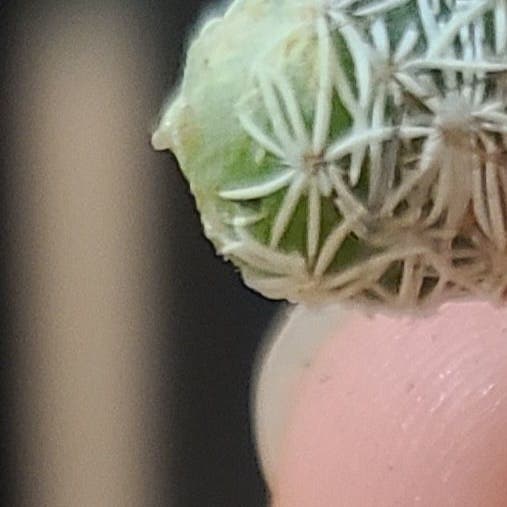
🌵 Why Pale Coryphantha Is A Perennial Plant
Coryphantha pallida
By the Greg Editorial Team
Sep 28, 2024•5 min read
This article was created with the help of AI so we can cover more plants for you. May contain errors. See one? Report it here.
Unlock the secrets of Pale Coryphantha 🌵 for a stunning, low-maintenance garden that thrives for decades!
- 🌱 Pale Coryphantha thrives for decades, making it a low-maintenance perennial choice.
- 🌼 Vibrant blooms appear in late spring, enhancing garden aesthetics with minimal effort.
- 🌵 Drought-resistant and adaptable, it’s perfect for sustainable gardening in arid climates.
Characteristics that Classify it as a Perennial
Multi-Year Lifecycle 🌱
Pale Coryphantha is a remarkable perennial that thrives for multiple years. Its robust root system allows it to establish itself firmly in the soil, ensuring longevity and resilience.
This plant exhibits a clumping growth habit, gradually forming clusters over time. Its ability to regenerate from roots after dormancy is a testament to its adaptability and strength.
Root Regeneration 🌿
The mechanism of regrowth in Pale Coryphantha is fascinating. Its roots store energy and nutrients, enabling the plant to survive even in harsh conditions.
Established root systems play a crucial role in the plant's resilience. They not only support regrowth but also help the plant endure periods of stress, making it a reliable choice for gardeners.
With these characteristics, Pale Coryphantha stands out as a perennial that not only survives but thrives, setting the stage for its impact on growth and flowering.
Impact on Growth and Flowering
Effects on Flowering 🌸
Pale Coryphantha typically blooms in late spring to early summer, showcasing its vibrant flowers during this period. These blooms last several days, adding a delightful touch of seasonal beauty to any garden.
Overall Lifespan ⏳
Under optimal conditions, Pale Coryphantha can live for several decades. This longevity offers significant advantages for gardeners, including a reduced need for replanting, which leads to lower maintenance efforts.
Established root systems not only support the plant's longevity but also enhance its drought resistance. This resilience makes it a fantastic choice for those looking to create a low-maintenance, sustainable garden.
As we explore the dormancy and seasonal changes of Pale Coryphantha, understanding its growth and flowering patterns will help you appreciate its unique lifecycle even more.
Dormancy and Seasonal Changes
Description of Dormancy Periods 🌵
Dormancy in Pale Coryphantha is primarily triggered by extreme heat or drought conditions. During these times, the plant enters a state of inactivity, conserving energy and resources.
The duration of this dormancy can last several months, depending on environmental factors. Understanding these triggers helps gardeners anticipate when their plants may need less attention.
Seasonal Changes in Growth and Care 🌸
As the seasons shift, Pale Coryphantha exhibits increased growth and flowering during favorable conditions. This vibrant activity typically occurs in the spring and early summer, showcasing the plant's resilience.
During dormancy, care adjustments are crucial. Gardeners should reduce watering and minimize disturbance to support the plant's natural cycle.
By recognizing these seasonal changes, you can better align your gardening practices with the needs of Pale Coryphantha, ensuring its health and longevity.
Lifespan and Longevity Factors
Expected Lifespan 🌱
Pale Coryphantha typically enjoys a lifespan ranging from 20 to 50 years. This impressive longevity largely hinges on the care it receives and the environmental conditions it endures.
Factors Influencing Longevity 🌍
Climate Considerations ☀️
The adaptability of Pale Coryphantha to arid environments significantly boosts its chances of survival. It thrives in conditions where many other plants struggle, making it a resilient choice for gardeners.
Temperature and Humidity 🌡️
Temperature and humidity levels play crucial roles in the plant's growth and dormancy cycles. Extreme fluctuations can stress the plant, impacting its overall health and longevity.
Care Practices 🧑🌾
Proper care is essential for maximizing the lifespan of Pale Coryphantha. Key practices include:
- Watering: Ensure a balanced watering schedule to avoid over or under-watering.
- Soil Conditions: Use well-draining soil to prevent root rot.
- Sunlight Exposure: Provide adequate sunlight, as insufficient light can hinder growth.
By paying attention to these factors, you can help your Pale Coryphantha thrive for decades.
As we explore the variations across climate zones, you'll discover how this remarkable plant adapts to different environments, further enhancing its appeal for gardeners everywhere.
Variations Across Climate Zones
Differences in Behavior in Various Climates 🌵
Pale Coryphantha showcases remarkable adaptability, particularly in arid regions. Its ability to survive prolonged droughts is a testament to its resilience, allowing it to thrive where many other plants might struggle.
Growth patterns also shift based on moisture availability. In drier climates, these plants may adopt a more compact form, conserving energy and resources while still maintaining their unique beauty.
Adaptations to Different Growing Conditions 🌦️
Flowering times and growth habits can vary significantly depending on local climate conditions. For instance, in cooler areas, blooms may appear later in the season, while warmer regions might see earlier flowering.
Selecting the right planting location is crucial for optimal growth. Understanding your local climate can help ensure that your Pale Coryphantha flourishes, making it a stunning addition to your garden.
As we explore the benefits of this perennial plant, let’s dive into how to maximize its potential in your garden planning.
Maximizing Benefits in Garden Planning
Tips for Utilizing Perennial Nature 🌱
When planning your garden, consider the strategic placement of Pale Coryphantha. Grouping it with other drought-tolerant plants not only enhances visual appeal but also creates a resilient ecosystem.
Pay attention to sunlight and drainage needs. Ensuring that these factors align will promote healthy growth and flowering.
Long-Term Cultivation Strategies 📅
Planning for seasonal changes is crucial for the longevity of your Pale Coryphantha. Adjust your care routines based on its dormancy and active growth periods to keep it thriving.
Monitoring environmental conditions is equally important. This proactive approach ensures optimal health and longevity, allowing you to enjoy the beauty of this perennial for years to come.
With these strategies in mind, you can create a vibrant garden that celebrates the unique qualities of Pale Coryphantha. Transitioning into the next section, let’s explore how its lifespan and longevity factors contribute to its appeal as a perennial plant.
⚠️ Safety First
This content is for general information and may contain errors, omissions, or outdated details. It is not medical, veterinary advice, or an endorsement of therapeutic claims.
Always consult a qualified healthcare professional before using any plant as food, medicine, or supplement.
Never eat any plant (or feed one to pets) without confirming its identity with at least two trusted sources.
If you suspect poisoning, call Poison Control (800) 222-1222, the Pet Poison Helpline (800) 213-6680, or your local emergency service immediately.
Spotted an error? Please report it here.
Discover the enduring charm of Pale Coryphantha 🌼 and let Greg's tailored care tips and watering reminders help you cultivate a thriving garden with this resilient perennial!