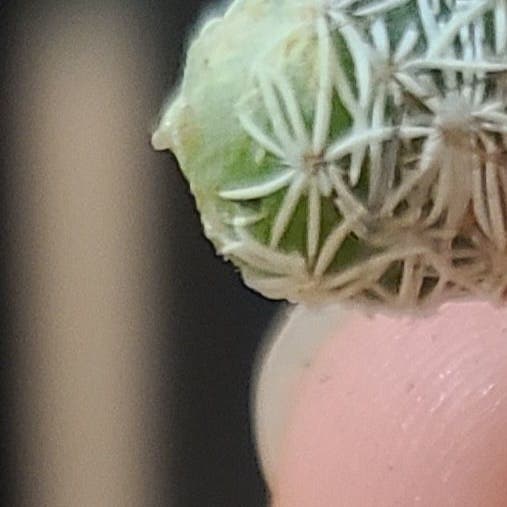
Am I Starving My Coryphantha pallida? Fertilizing 101
Coryphantha pallida
By the Greg Editorial Team
Apr 13, 2024•5 min read
This article was created with the help of AI so we can cover more plants for you. May contain errors. See one? Report it here.
Feed your cactus buddy right 🌵—unlock the secret to a thriving, blooming Coryphantha pallida!
- Low-nitrogen fertilizer best for Coryphantha pallida's blooms.
- Fertilize in spring/summer; avoid fall dormancy period.
- Dilute and apply carefully to prevent over-fertilization symptoms.
Picking the Perfect Fertilizer for Your Coryphantha pallida
💡 Balanced vs. Low-Nitrogen: What's the Deal?
Coryphantha pallida isn't your average leafy houseplant; it's a cactus with specific needs. A balanced fertilizer might sound like a safe bet, but here's the twist: low-nitrogen is your cactus's BFF. Why? Because high nitrogen pushes for foliage growth, and your cactus is all about those striking blooms. Aim for a 1-1-1 or 2-1-1 N-P-K ratio to hit the sweet spot between robust growth and blooming glory.
📋 Reading the Label: Understanding Fertilizer Ratios
Navigating the fertilizer aisle can feel like a cryptic quest. Those three numbers on the label? They're the N-P-K ratio: nitrogen (N), phosphorus (P), and potassium (K). Here's the scoop: nitrogen fuels growth, phosphorus is a bloom booster, and potassium is the overall health guru. For your Coryphantha pallida, think low nitrogen, moderate phosphorus. And remember, more isn't merrier—stick to the recommended dosage to avoid a nutrient overdose.
🌱 Organic or Synthetic: Making the Choice
When it comes to picking between organic and synthetic fertilizers, it's like choosing between a slow-cooked meal and fast food. Organic options, think compost blends or bone meal, offer a gentle, sustained release of nutrients. They're the tortoises in the race—slow and steady. Synthetic fertilizers, on the other hand, are the hares, providing a quick nutrient hit. Both have their place, but consider your cactus's long-term health and your own environmental impact before deciding.
Timing is Everything: When to Fertilize for Prime Growth
🌱 Growing Season Galore: Spring and Summer Feeding
Spring heralds growth for your Coryphantha pallida, making it prime time for fertilizing. As temperatures rise, so does your cactus's appetite for nutrients. Kickstart the feeding as winter wanes, continuing through the balmy days of summer. This is when your cactus is most active, soaking up sunlight and channeling energy into new growth.
🛑 Taking a Break: When to Hold Off on Fertilizer
Come fall, your cactus starts to wind down. It's preparing for a restful dormancy, not unlike bears before hibernation. This is your cue to ease up on the fertilizer. Overfeeding during dormancy can do more harm than good, leading to nutrient build-up and potential root damage. Let your cactus enjoy its beauty sleep, sans the midnight snack.
💐 Blooming Boost: Adjusting Fertilization for Flower Power
If you're eyeing those blooms, timing your fertilizer application is crucial. A slight increase in phosphorus can encourage flowering, but it's a delicate dance. Apply it as the buds begin to form, but don't go overboard. Too much and you'll have a lush cactus with nary a flower in sight. Remember, it's about finesse, not force-feeding.
The How-To of Fertilizing Coryphantha pallida
💧 Mixing it Right: Dilution Ratios for Safe Feeding
Dilution is your cactus's best friend. Start with a half-strength solution of the recommended fertilizer dose. This gentle approach ensures that the roots are nourished without being overwhelmed. Use precise measuring tools to avoid the common pitfall of over-concentration.
⏰ Frequency Matters: How Often to Treat Your Cactus
Your Coryphantha pallida doesn't need constant feeding. During the growing season, aim for a fertilization schedule of every 4-6 weeks. Once growth slows down, so should your fertilizing—cut back to once every 2-3 months, or as your cactus's response dictates.
🌱 Application Techniques: Getting Fertilizer to the Roots
When it's time to apply, water your cactus first to prep the soil. Then, pour the diluted fertilizer around the plant base, steering clear of the stem to prevent potential damage. Post-application, water again to help the nutrients seep down to the roots, where they're needed most. Keep an eye on your cactus's reaction and tweak your technique as necessary.
Oops, Too Much! Dealing with Over-Fertilization
🚨 Spotting Trouble: Recognizing Over-Fertilization Symptoms
Your Coryphantha pallida is a resilient desert dweller, but even cacti have their limits. Over-fertilization symptoms mimic a bad hangover for your spiky friend. Look out for yellowing or browning tips on the pads, a sign that your cactus is waving a white flag. A white, crusty buildup on the soil's surface screams excess salts, which can lead to nutrient burn. If your cactus has halted its growth or the roots seem soft and blackened, it's time to intervene.
💡 Quick Fixes: How to Help an Over-Fed Coryphantha pallida
Caught in the act of over-feeding? First, stop all fertilizer applications. Your cactus doesn't need more food; it needs a detox. Remove the visible fertilizer from the soil's surface—think of it as decluttering your plant's living space. Next, give the soil a thorough flush with water. This isn't a gentle sprinkle; you want to wash away those excess nutrients like you're rinsing off a dirty car. Repeat the flush several times, ensuring the water runs clear from the drainage holes. Prune away any damaged or dead tissue to help your cactus focus on recovery. Hold off on the next round of fertilization until you see signs of new growth—that's your cactus's way of saying it's ready to eat again. Remember, with fertilizer, less is often more.
⚠️ Safety First
This content is for general information and may contain errors, omissions, or outdated details. It is not medical, veterinary advice, or an endorsement of therapeutic claims.
Always consult a qualified healthcare professional before using any plant as food, medicine, or supplement.
Never eat any plant (or feed one to pets) without confirming its identity with at least two trusted sources.
If you suspect poisoning, call Poison Control (800) 222-1222, the Pet Poison Helpline (800) 213-6680, or your local emergency service immediately.
Spotted an error? Please report it here.
Keep your Coryphantha pallida thriving 🌵 with Greg's tailored reminders, ensuring you fertilize just right during its growth spurts without the risk of over-fertilization.