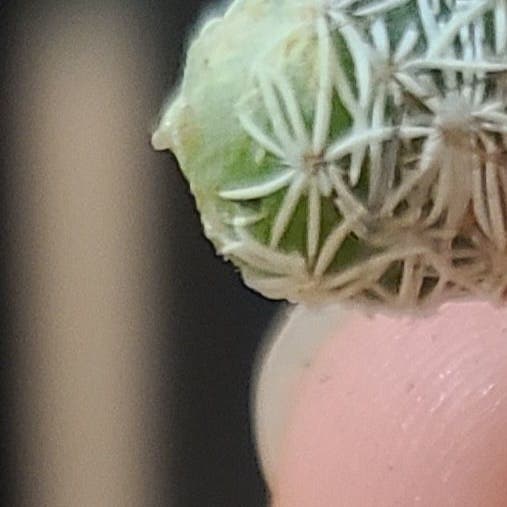
🌵 What Do Coryphantha pallida Flowers Mean?
Coryphantha pallida
By the Greg Editorial Team
Apr 13, 2024•4 min read
This article was created with the help of AI so we can cover more plants for you. May contain errors. See one? Report it here.
Decode your cactus's health 🌵 with Coryphantha pallida's blooming secrets – a beacon of perfect plant care!
- Blooms signal health and maturity in Coryphantha pallida cacti.
- 🌵 Full sun and well-draining soil are key to triggering flowers.
- Pruning and proper fertilization extend bloom longevity and encourage new flowers.
Decoding the Blooms: What Flowers Signal in Coryphantha pallida
🌸 The Language of Flowers in Cacti
In the cactus world, blooms are more than just eye candy; they're a barometer of the plant's condition. Coryphantha pallida, much like its cousins, uses flowers to communicate its health and maturity. When this cactus presents its blooms, it's not just showing off—it's confirming that it's received stellar care and is in its prime.
💬 When Blooms Speak: Timing and Health Indicators
Timing is everything when it comes to cactus blooms. Coryphantha pallida typically flowers when it's ready, which means all its needs are being met. If you see flowers at odd times or they appear lackluster, take it as a subtle hint that your cactus is stressed. It's like the plant's version of sending up a flare, signaling it's time to reassess its living conditions.
The Road to Blossoming: Encouraging Coryphantha pallida to Flower
💡 Light: The Spark of Flowering
Coryphantha pallida demands full sun to trigger its flowering mechanism. Direct sunlight is the plant's version of a wake-up call, signaling it's time to produce blooms. To optimize flowering, place your cactus where it will bask in generous light for most of the day. If natural light is scarce, consider artificial lighting that mimics the sun's spectrum. Remember, it's not just about quantity; the quality of light matters, with a mix of red and blue wavelengths being the golden ticket to a floral show.
🌡️ Temperature and Watering: The Balancing Act for Blooms
Temperature plays a pivotal role in coaxing Coryphantha pallida to flower. Aim for a consistent range between 65-75°F (18-24°C), mimicking the natural fluctuations it would experience in the wild. As for watering, it's a delicate dance—too much and you risk root rot, too little and the plant won't have the resources to bloom. Water when the soil is dry to the touch, and adjust your schedule with the changing seasons. Remember, the goal is to create a stable environment that whispers, not screams, "It's blooming time."
Nourishing the Blooms: Soil and Fertilization Focus
🌱 Soil: The Foundation for Flowering
Crafting the ideal soil mix is like setting up a backstage for a rock concert; it needs to be just right for the show to go on. For Coryphantha pallida, a well-draining soil mix is non-negotiable. It's the breathable foundation that prevents root rot and sets the stage for those vibrant flowers. Organic matter is key—compost or manure enriches the soil, giving your cacti the nutrients they need to thrive and bloom.
💧 Fertilization: The Nutrient Boost for Bountiful Blooms
Selecting the right fertilizer is crucial for nourishing Coryphantha pallida without overwhelming it. A balanced fertilizer with a higher phosphorus content (the middle number in N-P-K) is your ticket to promoting blooming. Overdoing it with nitrogen-rich formulas will push foliage growth at the expense of flowers. It's a monthly gig—too frequent, and you risk nutrient burnout. Think of fertilizer as a plant's protein shake; it's about the boost, not a full meal. Remember, timing is everything—apply it during the growing season, and always follow the product's instructions to avoid over-fertilization.
Celebrating the Flowers: Understanding Their Impact and Longevity
🌸 The Impact of Blooms on Coryphantha pallida's Lifecycle
Flowering in Coryphantha pallida isn't just a visual treat; it's a pivotal chapter in the plant's life story. When blooms unfurl, it's a sign the cactus has hit a growth milestone. This phase shifts the plant's focus from vegetative growth to reproduction, aiming to pass on its genetic legacy.
🌼 Prolonging the Beauty: Maximizing Flower Longevity
To keep the floral show going, light is your best ally. Ensure your cactus gets ample sunlight without scorching it. Watering should be a balancing act; too much is as bad as too little. Aim for a moist but not soggy soil consistency.
Fertilization is the secret sauce for longevity. A low-nitrogen fertilizer can fuel more extended blooming without encouraging excess vegetative growth. Remember, timing is everything. Apply fertilizers during the active growth season to avoid overwhelming your cactus during its rest period.
Lastly, don't overlook the power of pruning. Deadheading spent flowers encourages new blooms and prevents energy waste on seed production. It's like telling your cactus, "Hey, let's focus on the here and now, not the next generation just yet."
Keep these tips in mind, and your Coryphantha pallida's flowers might just stick around long enough for an encore.
⚠️ Safety First
This content is for general information and may contain errors, omissions, or outdated details. It is not medical, veterinary advice, or an endorsement of therapeutic claims.
Always consult a qualified healthcare professional before using any plant as food, medicine, or supplement.
Never eat any plant (or feed one to pets) without confirming its identity with at least two trusted sources.
If you suspect poisoning, call Poison Control (800) 222-1222, the Pet Poison Helpline (800) 213-6680, or your local emergency service immediately.
Spotted an error? Please report it here.
Achieve the rewarding sight of your Coryphantha pallida's vibrant blooms 🌼 with Greg's personalized care reminders for the ideal sun, watering, and feeding schedule.