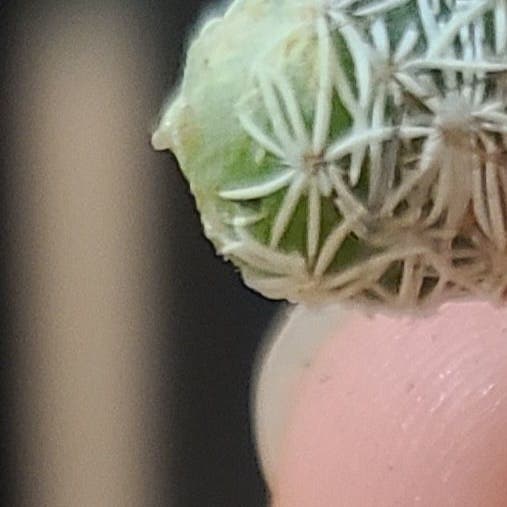
🌵 Pale Coryphantha Hardiness Zones Ultimate Guide: 9a-11b
Coryphantha pallida
By the Greg Editorial Team
Sep 28, 2024•5 min read
This article was created with the help of AI so we can cover more plants for you. May contain errors. See one? Report it here.
Master the art of growing Pale Coryphantha 🌵 by understanding its temperature tolerance and ideal conditions for thriving success!
- 🌡️ Pale Coryphantha thrives in USDA zones 9a-11b, tolerating temperatures from 20°F to 100°F.
- 🌞 Requires at least six hours of sunlight daily for vibrant blooms and robust growth.
- 🌵 Drought-resistant and ideal for xeriscaping, this cactus flourishes in well-draining soils.
Temperature Tolerance
❄️ Cold Tolerance
Pale Coryphantha can withstand temperatures as low as 20°F (-6°C). This remarkable cold tolerance is crucial for surviving occasional frost, allowing the plant to thrive even in less-than-ideal winter conditions.
Frost tolerance is essential for successful wintering, ensuring that the plant remains healthy and vibrant when temperatures drop. This adaptability makes it a resilient choice for gardeners in cooler climates.
☀️ Heat Tolerance
On the flip side, Pale Coryphantha thrives in heat, with a maximum temperature tolerance of up to 100°F (38°C). High temperatures can influence growth and flowering, often leading to more vibrant blooms and robust growth during the warmer months.
Understanding how this plant reacts to heat can help you optimize its care, ensuring it flourishes even in the hottest conditions.
🌡️ Ideal Temperature Ranges for Growth
For optimal growth, aim for a temperature range of 70°F to 90°F (21°C to 32°C). This sweet spot encourages healthy development and vibrant flowering.
Seasonal temperature variations can impact growth patterns, so it's essential to monitor conditions throughout the year. Keeping an eye on these fluctuations will help you provide the best environment for your Pale Coryphantha.
With a solid grasp of temperature tolerance, you're well on your way to cultivating a thriving garden. Next, let’s explore the ideal growing regions for this resilient plant.
Ideal Growing Regions
🌍 Suitable US States
Pale Coryphantha thrives in USDA zones 9a to 11b, making states like California, Texas, Florida, and Arizona ideal for its growth. Within California, regions such as Southern California and the Central Valley offer the perfect climate, while Texas benefits from areas like the Hill Country and parts of West Texas.
In Florida, the southern regions, especially around Miami, provide a warm, humid environment. Arizona's desert areas, particularly around Phoenix and Tucson, also create favorable conditions for this resilient cactus.
🌱 Factors Contributing to Ideal Conditions
Soil type plays a crucial role in the health of Pale Coryphantha. Well-draining sandy or rocky soils are essential to prevent root rot, which can be detrimental to these plants.
Sunlight exposure is another key factor. These cacti flourish in full sun, requiring at least six hours of direct sunlight daily.
Drought resistance is a standout feature of Pale Coryphantha, making it perfect for xeriscaping. This approach not only conserves water but also creates a stunning landscape that showcases the beauty of these hardy plants.
In summary, the combination of suitable states, proper soil, ample sunlight, and drought resistance creates the ideal conditions for growing Pale Coryphantha. As we explore further, understanding microclimates will reveal even more opportunities for successful cultivation.
Microclimates
🌍 Impact on Growing Zones
Microclimates play a crucial role in the successful growth of Pale Coryphantha, allowing these cacti to thrive outside their typical hardiness zones. By creating localized conditions that differ from the surrounding area, microclimates can provide the warmth and protection these plants need.
Pale Coryphantha has specific adaptations that make it well-suited for these unique environments. For instance, its ability to tolerate slight temperature fluctuations helps it flourish even in less-than-ideal conditions.
🌱 Examples of Beneficial Microclimates
Urban areas often create heat islands, where buildings and pavement absorb and retain heat. This can provide a warmer environment for Pale Coryphantha, extending its growing season.
Coastal regions also offer moderated temperatures, reducing the risk of extreme cold. The consistent climate can be a boon for these cacti, allowing for steady growth.
Valleys that trap heat during colder months create another favorable microclimate. These areas can maintain warmer temperatures, providing a safe haven for Pale Coryphantha to thrive.
Understanding these microclimates can significantly enhance your gardening success. By recognizing where these unique conditions exist, you can better position your Pale Coryphantha for optimal growth.
Next, we’ll explore state-level suitability analysis to identify where these cacti can best flourish.
State-Level Suitability Analysis
🌞 Suitable States
The Pale Coryphantha thrives in several states, particularly those within USDA hardiness zones 9a to 11b. These include California, Texas, Florida, Arizona, and New Mexico, where the climate aligns perfectly with the plant's temperature and moisture needs.
In these regions, the warm temperatures and ample sunlight create ideal conditions for growth. The well-drained soils found in many of these areas also support the plant's drought-resistant nature.
❄️ Unsuitable States
Conversely, states like North Dakota, Minnesota, Maine, and Vermont present challenges for growing Pale Coryphantha. These regions experience extreme temperature fluctuations and prolonged frost periods, which can be detrimental to the plant's survival.
The harsh winters and late spring frosts in these states make it difficult for the Pale Coryphantha to thrive. The risk of frost damage is a significant concern, limiting its growth potential.
📊 Suitability Analysis
When analyzing the suitability of states for Pale Coryphantha, both cold and heat tolerance play crucial roles. The plant can withstand temperatures as low as 20°F (-6°C) and as high as 100°F (38°C), but consistent exposure to extremes can hinder its growth.
Understanding frost dates is essential for successful cultivation. The first and last frost dates vary significantly across states, impacting when planting can occur and how well the plant can establish itself. In suitable states, the growing season is longer, allowing for robust growth and flowering.
This analysis highlights the importance of selecting the right location for your Pale Coryphantha to ensure its health and longevity. With the right conditions, this resilient plant can flourish beautifully.
⚠️ Safety First
This content is for general information and may contain errors, omissions, or outdated details. It is not medical, veterinary advice, or an endorsement of therapeutic claims.
Always consult a qualified healthcare professional before using any plant as food, medicine, or supplement.
Never eat any plant (or feed one to pets) without confirming its identity with at least two trusted sources.
If you suspect poisoning, call Poison Control (800) 222-1222, the Pet Poison Helpline (800) 213-6680, or your local emergency service immediately.
Spotted an error? Please report it here.
Cultivate your Pale Coryphantha with confidence 🌵 by using Greg's personalized care reminders to ensure your cactus thrives in its ideal conditions! Thrive!