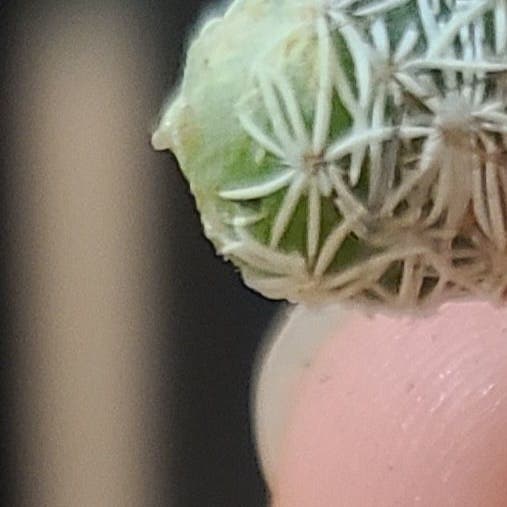
🌵 Pale Coryphantha is Not an Invasive Plant
Coryphantha pallida
By the Greg Editorial Team
Sep 28, 2024•4 min read
This article was created with the help of AI so we can cover more plants for you. May contain errors. See one? Report it here.
Elevate your garden's beauty and biodiversity 🌱 with the unique Pale Coryphantha cactus—your eco-friendly choice for sustainable gardening!
- 🌵 Pale Coryphantha is a small, non-invasive cactus ideal for sustainable gardening.
- 🐝 Attracts pollinators and supports local wildlife, enhancing garden biodiversity.
- 💧 Requires minimal watering and maintenance, making it perfect for xeriscaping.
Growth Habits
Typical Patterns 🌵
Pale Coryphantha is a charming little cactus that typically forms a small, globular shape, reaching about 2-4 inches in diameter. Its slow growth rate means it takes several years to reach maturity, making it an easy plant to manage for gardeners.
Natural Limits 🌍
This cactus thrives in well-drained soils and requires minimal water, which limits its growth potential. Its native habitat plays a significant role in shaping its behavior, influencing how it performs in garden settings.
Understanding these growth habits can help you appreciate the unique characteristics of Pale Coryphantha and how to best incorporate it into your garden. As we explore its ecological role next, you'll see how this little cactus contributes to the environment around it.
Ecological Role
🌼 Benefits to Ecosystems
Pale Coryphantha plays a vital role in enhancing local biodiversity. By attracting pollinators like bees and butterflies, it creates a lively environment that supports various plant and animal species.
This cactus also provides essential habitat and food sources for wildlife. Birds, insects, and small mammals benefit from its presence, making it a key player in the ecosystem.
🦋 Interactions with Wildlife
The interactions between Pale Coryphantha and pollinators are particularly beneficial. These positive relationships contribute significantly to the overall health of garden ecosystems.
Additionally, this cactus supports beneficial insects, which help control pest populations. By fostering a balanced ecosystem, it reduces the need for chemical interventions, promoting a healthier garden environment.
Incorporating Pale Coryphantha into your garden not only beautifies the space but also enriches the local ecosystem. This makes it a fantastic choice for environmentally conscious gardeners looking to make a difference.
As we explore garden management strategies next, consider how these ecological benefits can enhance your gardening experience.
Garden Management
Incorporating into Designs 🌵
Pale Coryphantha is a fantastic choice for xeriscaping and drought-resistant gardens. Its unique shape and texture make it an eye-catching focal point, especially when placed in rock gardens.
Maintenance Tips 💧
Watering is crucial; ensure the soil dries out completely between waterings to prevent root rot. During the growing season, use a diluted cactus fertilizer to promote healthy growth.
Controlling Growth ✂️
Pruning is minimal; simply remove any dead or damaged spines as needed. For optimal air circulation and growth, plant these cacti at least 12 inches apart.
Incorporating Pale Coryphantha into your garden not only enhances its beauty but also supports sustainable practices. Next, let’s explore how this plant compares to other non-invasive species.
Comparison to Other Plants
🌵 Similar Non-Invasive Species
When considering non-invasive cacti, Echinocereus and Mammillaria are notable companions to Pale Coryphantha. These species share a globular growth habit, typically thriving in similar well-drained environments.
However, they differ in size and flowering patterns. Echinocereus tends to be taller, while Mammillaria often showcases a more compact form. Additionally, their flowering times and colors vary, providing unique visual interest in any garden setting.
✨ Unique Qualities
Pale Coryphantha stands out with its distinctive spines and unique flowering patterns. These features not only enhance its aesthetic appeal but also contribute to its identity among non-invasive cacti.
Its slow growth rate is another advantage, making it a low-maintenance choice for gardeners. This characteristic allows for easy integration into various garden designs without the worry of aggressive spreading.
Incorporating Pale Coryphantha into your garden not only beautifies the space but also supports sustainable practices. As we explore the legal and environmental considerations of planting, you'll see how this cactus aligns with eco-friendly gardening principles.
Legal and Environmental Considerations
🌱 Classifications and Guidelines
Before planting Pale Coryphantha, it's essential to check local regulations regarding non-invasive species. Many regions encourage the use of native or non-invasive plants to promote sustainable gardening practices.
Understanding these guidelines helps ensure that your garden contributes positively to the environment. Selecting the right plants not only supports local ecosystems but also enhances the beauty of your landscape.
♻️ Role in Sustainable Practices
Incorporating Pale Coryphantha into your garden plays a vital role in water conservation. This cactus thrives in dry conditions, making it an excellent choice for xeriscaping.
Moreover, it supports biodiversity by providing habitats for various wildlife. By aligning with eco-friendly landscape design principles, you contribute to a healthier environment while enjoying the unique beauty of this plant.
As you consider your gardening choices, remember that every plant can make a difference. Choosing non-invasive species like Pale Coryphantha not only beautifies your space but also fosters a sustainable future.
⚠️ Safety First
This content is for general information and may contain errors, omissions, or outdated details. It is not medical, veterinary advice, or an endorsement of therapeutic claims.
Always consult a qualified healthcare professional before using any plant as food, medicine, or supplement.
Never eat any plant (or feed one to pets) without confirming its identity with at least two trusted sources.
If you suspect poisoning, call Poison Control (800) 222-1222, the Pet Poison Helpline (800) 213-6680, or your local emergency service immediately.
Spotted an error? Please report it here.
Transform your garden with the stunning Pale Coryphantha 🌵, and let Greg provide personalized watering reminders to help this low-maintenance cactus thrive while supporting local ecosystems!