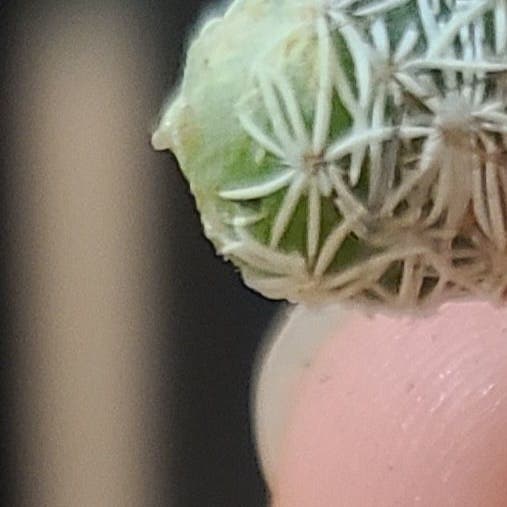
Overview of Loricata Pincushion Cactus 🌵
Coryphantha pallida
By the Greg Editorial Team
Feb 02, 2025•11 min read
This article was created with the help of AI so we can cover more plants for you. May contain errors. See one? Report it here.
Elevate your space effortlessly with the resilient Loricata Pincushion Cactus, a low-maintenance beauty for any home! 🌵✨
- 🌞 Loricata Pincushion Cactus needs 6-8 hours of sunlight for optimal growth.
- 💧 Water only when the top inch is dry to prevent root rot.
- 🌵 Low maintenance and drought-resistant, this cactus thrives with minimal care.
How to Grow
Choosing the Right Location 🌞
To ensure your Loricata Pincushion Cactus thrives, place it in a spot that receives full sun for 6-8 hours daily. This cactus loves warmth, so aim for temperatures between 20°C to 35°C (68°F to 95°F) for optimal growth.
Soil Preparation 🏜️
The right soil is crucial for your cactus's health. Use a well-draining sandy or cactus mix to prevent water retention, and always ensure your pots have drainage holes to avoid soggy roots.
Planting Techniques 🌱
When planting, maintain the same depth as the nursery pot to help your cactus adjust. For outdoor planting, space them 12-18 inches apart to allow for proper air circulation and growth.
Watering Guidelines 🚰
Water your cactus when the top inch of soil feels dry to the touch. Soak it thoroughly, then let it dry out completely before the next watering to mimic its natural desert habitat.
Fertilizing Recommendations 🍽️
During the growing season in spring and summer, use a diluted cactus fertilizer to give your plant a nutrient boost. This moderate approach will help your cactus flourish without overwhelming it.
Pruning and Ongoing Care ✂️
Prune your cactus after it flowers or to remove any dead parts. Always use clean, sharp tools to prevent damage and promote healthy growth.
Outdoor vs. Container Growing Considerations 🌍
Caring for your cactus can differ based on its environment. Outdoor plants may require less frequent watering, while container plants need careful attention to pot size and material to ensure they thrive.
With these tips, you’re well on your way to cultivating a healthy Loricata Pincushion Cactus that will bring beauty and resilience to your space. Next, let’s explore how to propagate this unique plant and expand your collection!
Propagation
🌱 Methods of Propagation
Loricata Pincushion Cactus can be propagated through two primary methods: seeds and offsets. Each method has its unique steps and benefits, making it easy to expand your cactus collection.
📋 Step-by-Step Instructions for Each Method
Seeds
- Sow seeds: Start by scattering seeds on the surface of moist, well-draining soil.
- Cover lightly: Lightly cover the seeds with sand to protect them.
- Maintain humidity: Keep the soil humid until germination, which typically takes 2-3 weeks.
Offsets
- Remove offsets: Gently twist or cut offsets from the parent plant.
- Allow to callous: Let the offsets sit for 1-2 days to callous before planting them in fresh soil.
🌟 Tips for Successful Propagation
To ensure successful propagation, always use sterile tools to prevent disease. Additionally, provide warmth and indirect light for your seedlings to thrive.
With these methods and tips, you can easily propagate your Loricata Pincushion Cactus and enjoy the satisfaction of nurturing new plants. Next, let’s explore the lifecycle of this resilient cactus.
Lifecycle
Lifecycle Stages 🌱
The lifecycle of the Loricata Pincushion Cactus is fascinating and unfolds in distinct stages.
Germination occurs when seeds sprout in just 2-3 weeks under optimal conditions, setting the stage for new growth.
Next is the Seedling Stage, where the plant experiences initial growth for several weeks, establishing its foundation.
During the Vegetative Growth phase, typically in spring and summer, the cactus enters a rapid growth period, expanding its size and vigor.
As spring arrives, the cactus begins Flowering, producing vibrant blooms that attract pollinators, adding beauty to your garden.
Finally, after flowering, the cactus enters the Seed Production stage, where seeds develop, ensuring the continuation of its lifecycle.
Lifespan and Growth Timeline ⏳
Understanding the lifespan and growth timeline of the Loricata Pincushion Cactus can help you appreciate its resilience.
On average, these cacti live between 10-30 years, depending on the care they receive.
They typically reach maturity in about 3-5 years, showcasing their full size and beauty.
The growth rate is moderate, influenced by environmental conditions such as light, water, and soil quality.
By providing optimal care, you can enjoy the vibrant life cycle of this unique cactus for many years to come.
As we explore the next section, we'll delve into the size characteristics of the Loricata Pincushion Cactus, shedding light on what to expect as it matures.
Size
Mature Height and Spread 🌵
The Loricata Pincushion Cactus typically reaches a mature height of 4 to 12 inches. Its spread can range from 6 to 12 inches, making it a compact yet striking addition to any garden or indoor space.
Growth Rate and Factors Affecting Size 📈
This cactus has a moderate growth rate, influenced by several factors. Light exposure, watering frequency, and soil quality all play crucial roles in determining how quickly it grows.
Size Variability Based on Growing Conditions 🌍
Growing conditions can significantly affect the size of your Loricata Pincushion Cactus. For instance, cacti grown indoors may not reach their full potential compared to those thriving outdoors in optimal sunlight.
Container size also matters; a larger pot allows for more root growth, which can lead to a bigger plant. Conversely, smaller pots can restrict growth, keeping the cactus more compact.
Understanding these factors can help you cultivate a healthy, vibrant cactus that fits perfectly in your space.
Roots
Characteristics of the Root System 🌱
The Loricata Pincushion Cactus features a fibrous root system that spreads shallowly. Typically, these roots extend about 6-12 inches deep, allowing the plant to absorb moisture efficiently.
Common Root-Related Issues ⚠️
Root rot is a common problem, often caused by overwatering. Symptoms include mushy roots that can lead to the plant's decline.
Another issue is becoming rootbound, which occurs when the roots outgrow their container. Signs of this include stunted growth and roots circling the pot.
Visual Cues for Healthy vs. Unhealthy Roots 👀
Healthy roots are firm, white, and spread out, indicating a thriving plant. In contrast, unhealthy roots appear dark, mushy, or shriveled, signaling potential problems.
Tips for Managing Root Health 🛠️
To prevent root rot, ensure proper drainage in pots. It's also wise to repot when the plant becomes rootbound, using fresh soil to promote healthy growth.
By keeping an eye on root health, you can ensure your Loricata Pincushion Cactus remains vibrant and flourishing. Next, let’s explore the numerous benefits of growing this unique cactus.
Benefits
Top 5 Benefits of Growing Loricata Pincushion Cactus 🌵
1. Low Maintenance
Loricata pincushion cactus is a dream for busy gardeners. It thrives with minimal care and watering, making it perfect for those who want greenery without the hassle.
2. Aesthetic Appeal
This cactus adds a unique charm to any garden or home. Its distinctive shape and vibrant blooms can enhance your space, creating a striking focal point.
3. Drought-Resistant
Ideal for arid climates, this cactus is a champion of drought resistance. It requires less water than many traditional plants, making it a smart choice for xeriscaping.
4. Wildlife Attraction
The flowers of the Loricata pincushion cactus are a magnet for pollinators like bees. By planting it, you contribute to local biodiversity and support essential wildlife.
5. Cultural Significance
This cactus symbolizes resilience and adaptability in many indigenous cultures. Growing it connects you to a rich heritage and appreciation for nature's tenacity.
Incorporating the Loricata pincushion cactus into your garden not only beautifies your space but also supports the environment and reflects cultural values. Ready to explore how to grow this remarkable plant? Let's dive into the next section!
Companion Plants
🌱 Companion Planting and Its Benefits
Companion planting is a fantastic way to enhance your garden's diversity and improve pest management. By choosing the right plants to grow alongside your Loricata Pincushion Cactus, you can create a thriving ecosystem that benefits all your plants.
🌼 List of Compatible Companion Plants
- Agave: Shares similar care needs and thrives in dry conditions, making it an excellent partner for your cactus.
- Desert Marigold: This vibrant flower attracts beneficial insects, helping to pollinate your cactus and keep pests at bay.
- Other Cacti: Mixing different cacti can create a visually stunning desert garden while ensuring similar care requirements.
🚫 Plants to Avoid
When planning your garden, steer clear of heavy feeders like tomatoes or corn. These plants compete for nutrients and can hinder the growth of your Loricata Pincushion Cactus.
By selecting compatible companions, you not only enhance the beauty of your garden but also promote a healthier growing environment. Next, let’s explore the fascinating topic of toxicity and safety for humans, dogs, and cats.
Toxicity to Humans
🛡️ Safety for Humans
The Loricata Pincushion Cactus is not considered toxic by major poison control centers. However, it's wise to be cautious; the spines can cause mild skin irritation, and ingesting large quantities might lead to minor digestive discomfort.
Always exercise caution with any plant. If you experience unusual symptoms after contact or ingestion, seek medical advice promptly.
Toxicity to Dogs
Safety for Dogs 🐶
The Loricata Pincushion Cactus is not considered toxic by major pet poison control centers. This means your furry friends can roam around it without the risk of severe health issues.
However, there are potential minor concerns. If a dog consumes too much of the cactus, it may experience mild gastrointestinal upset.
Tips for Introducing to Homes with Dogs 🏡
To keep your dog safe, place the cactus out of reach. It's also wise to monitor your dog's behavior around the plant, especially during the initial introduction.
By taking these precautions, you can enjoy the beauty of the Loricata Pincushion Cactus while ensuring your pet remains healthy and happy.
Next, let’s explore the safety of this cactus for our feline friends.
Toxicity to Cats
Safety for Cats 🐱
The Loricata Pincushion Cactus is not listed as toxic by major pet poison control centers. This means you can enjoy its beauty without worrying about your feline friends.
However, there are potential minor issues to consider. If a cat consumes too much of the plant, it may experience mild gastrointestinal upset.
Tips for Introducing to Homes with Cats 🏠
To keep your cat safe, place the cactus out of reach. This simple step can prevent any accidental nibbling.
Additionally, monitor your cat's behavior around the plant. Observing how they interact can help ensure a harmonious coexistence.
In summary, while the Loricata Pincushion Cactus poses minimal risk to cats, taking precautions can help maintain a safe environment for your furry companions.
Problems
🌵 Common Problems with Loricata Pincushion Cactus
Growing Loricata Pincushion Cactus can be rewarding, but it's essential to be aware of potential problems that may arise. Here are some common issues to watch for:
💧 Incorrect Watering
Watering is crucial for cactus health. Overwatering can lead to yellowing and mushy stems, while underwatering causes the plant to wrinkle and lose its vitality.
☀️ Incorrect Light Conditions
Light plays a significant role in cactus growth. Insufficient light can result in etiolation, where the cactus stretches and becomes leggy as it reaches for more sunlight.
🌡️ Incorrect Temperature
Temperature fluctuations can stress your cactus. Extreme cold or heat can hinder growth and even damage the plant, so maintaining a stable environment is key.
🦠 Diseases
Cacti can fall victim to various diseases. Fungal issues like powdery mildew and root rot are common, often stemming from poor watering practices or humidity levels.
📉 Growth Problems
Watch for signs of growth issues. Leaning or leggy growth typically indicates inadequate light, signaling that your cactus may need a brighter location.
By staying vigilant about these common problems, you can ensure your Loricata Pincushion Cactus thrives. Next, let’s explore how to effectively manage pests that may threaten your plant’s health.
Bugs
🐜 Potential Pest Issues
While the Loricata Pincushion Cactus is known for its resilience, it can still encounter pest challenges. Staying vigilant is key to maintaining its health.
🔍 Identification and Damage Caused by Pests
- Spider Mites: Look for fine webbing and stippled leaves, which indicate these tiny pests are at work.
- Scale Insects: These pests leave a sticky residue and cause yellowing leaves, making them easy to spot.
- Mealybugs: Identified by their cotton-like masses on stems, mealybugs can quickly become a nuisance.
🛠️ Effective Treatment Options
To combat these pests, consider using:
- Neem Oil: A natural remedy that disrupts pest life cycles.
- Insecticidal Soap: Effective against soft-bodied insects like mealybugs.
- Manual Removal: For small infestations, simply wipe or wash them off with a damp cloth.
By keeping an eye out for these pests and acting quickly, you can ensure your Loricata Pincushion Cactus remains healthy and thriving. Next, let’s explore the common animals that might pose a threat to your cactus.
What Eats
🦌 Common Animals That May Damage
Loricata pincushion cacti can attract a variety of hungry critters. Deer, rabbits, squirrels, and rodents are known to nibble on these resilient plants, potentially causing significant damage.
👀 Signs of Animal Presence and Damage
Keep an eye out for telltale signs of animal activity. Browsed edges, missing segments, and droppings near your cactus can indicate that your plant has become a snack for local wildlife.
🚫 Methods for Deterring or Managing These Animals
To protect your cactus, consider implementing a few effective strategies. Fencing can create a physical barrier, while repellents can deter animals from approaching. Additionally, companion planting with less palatable species can help divert attention away from your prized cactus.
By being proactive, you can enjoy the beauty of your Loricata pincushion cactus without the worry of unwanted visitors.
⚠️ Safety First
This content is for general information and may contain errors, omissions, or outdated details. It is not medical, veterinary advice, or an endorsement of therapeutic claims.
Always consult a qualified healthcare professional before using any plant as food, medicine, or supplement.
Never eat any plant (or feed one to pets) without confirming its identity with at least two trusted sources.
If you suspect poisoning, call Poison Control (800) 222-1222, the Pet Poison Helpline (800) 213-6680, or your local emergency service immediately.
Spotted an error? Please report it here.
Cultivating the Loricata Pincushion Cactus 🌵 is a breeze with Greg's tailored watering reminders and expert care tips, ensuring your cactus thrives in its perfect environment!