🐛 What To Do About Bugs on My Coryphantha pallida?
Coryphantha pallida
By the Greg Editorial Team
Apr 13, 2024•3 min read
This article was created with the help of AI so we can cover more plants for you. May contain errors. See one? Report it here.
Defend your cactus from pesky invaders with proven, plant-safe tactics for a thriving Coryphantha pallida! 🌵🛡️
- 🕸️ Spider mites show webbing, control with neem oil or soap.
- 🍯 Scale insects leave waxy bumps, remove with alcohol or oil.
- 🌵 Healthy Coryphantha pallida means robust growth and vibrant flowers.
Spotting the Enemy: Identifying Common Pests
🕷️ Spider Mites: The Silent Weavers
Tiny webbing on your Coryphantha pallida? Spider mites are likely the culprits. Look for leaf damage that appears as fine stippling.
⚔️ Battle Tactics
Neem oil and insecticidal soap are your go-to for eviction. Predatory mites can also be enlisted to tackle these pests.
🛡️ Prevention in Action
Regular misting can deter spider mites by increasing humidity, disrupting their dry environment.
🦠 Scale: The Sticky Foes
Notice waxy bumps on your cactus? You've found scale insects. They leave behind sticky honeydew, a clear sign of their presence.
🧼 Removal Remedies
Alcohol swabs can be used to clean off individual scales. For larger infestations, horticultural oil is effective.
🛡️ Keeping Scales at Bay
Regular inspections and isolation of new plants help prevent scale infestations from spreading.
🦟 Fungus Gnats and Fruit Flies: The Airborne Annoyances
If tiny flies are zig-zagging around your cactus, you're likely dealing with fungus gnats or fruit flies. Their larvae resemble white worms with black heads in the soil.
☣️ Eradication Methods
Hydrogen peroxide can help eliminate larvae, while sticky traps catch adults.
💧 Drying Out the Danger
Managing soil moisture is key to preventing these pests. Overwatering is a common cause of infestation.
🐛 Mealybugs: The Cottony Vandals
White, cottony masses on your cactus signal a mealybug problem. These pests sap the plant's strength and leave sticky residue.
🧼 Eradicating the Fluff
A cotton swab dipped in alcohol can remove mealybugs. Neem oil and insecticidal soap are also effective treatments.
🚫 Quarantine to the Rescue
Isolating affected plants can prevent mealybug migration to healthy specimens.
🦗 Aphids and Thrips: The Sap-Sucking Duo (if relevant to Coryphantha pallida)
Aphids and thrips are tiny sap-suckers that can cause leaves to curl or stunt. Ants may indicate an aphid issue, as they farm the honeydew aphids produce.
🐞 Natural and Chemical Defenses
Release ladybugs to combat aphids naturally. Insecticidal sprays can also be used when necessary.
🌿 Plant Partnerships
Companion planting can help deter aphids and thrips, adding another layer of defense to your pest management strategy.
When Your Cactus Thrives: Signs of a Healthy Coryphantha pallida
A pest-free Coryphantha pallida is a sight to behold. Its sturdy, spiny stature and the occasional burst of vibrant flowers are like a green thumbs-up from your cactus.
🌱 Vibrant and Vigorous
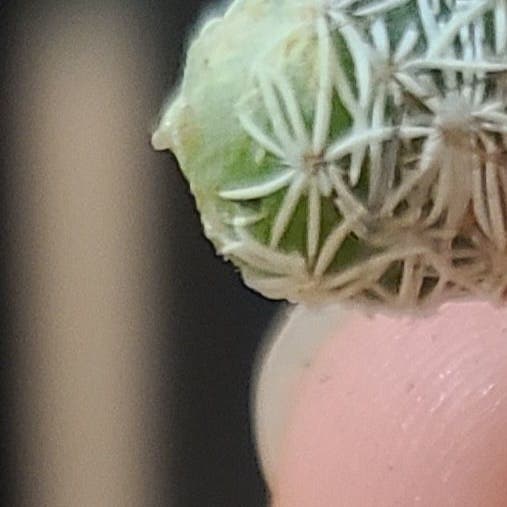
Robust growth and the absence of brown spots or wilting are clear indicators of health. Expect to see your cactus standing tall, its pale green body adorned with white radial spines in stark contrast to its environment. When it's in top shape, it might even treat you to its yellow flowers, defying the arid conditions it thrives in.
🌱 Growth and Gloom
New growth is your cactus winking at you, signaling all's well. You won't find any white fluff of mealybugs or sticky bumps of scale insects here. The soil should have that earthy smell, not a whiff of decay. If you're nodding along to this, you're doing it right.
🕵️ Regular Check-Ups
Keep an eye out for firm, pale roots and dry soil to confirm your cactus's happiness. Overwatering is a no-go, as it leads to swollen, yellow segments. Underwatering? Just as bad, leaving your cactus wrinkled and dull. Find the watering sweet spot, and your cactus will be less drama, more desert royalty.
🌵 After the Cut
Post-pruning, stick to moderation. Water only when the soil is bone dry and fertilize early in the growing season. Spot discoloration or wilting? Time to adjust your care tactics. Remember, a happy cactus is a mostly left-alone cactus.
⚠️ Safety First
This content is for general information and may contain errors, omissions, or outdated details. It is not medical, veterinary advice, or an endorsement of therapeutic claims.
Always consult a qualified healthcare professional before using any plant as food, medicine, or supplement.
Never eat any plant (or feed one to pets) without confirming its identity with at least two trusted sources.
If you suspect poisoning, call Poison Control (800) 222-1222, the Pet Poison Helpline (800) 213-6680, or your local emergency service immediately.
Spotted an error? Please report it here.
Keep your Coryphantha pallida thriving and pest-free 🌵 with Greg's tailored care plans and timely reminders for a healthy, happy cactus.