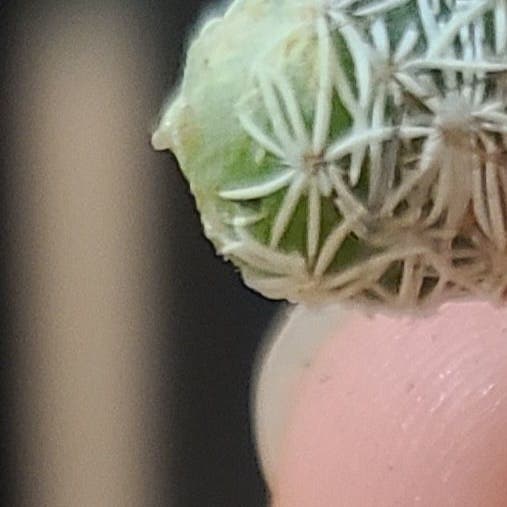
3 Key Factors in Choosing a Pale Coryphantha Pot 🌵
Coryphantha pallida
By the Greg Editorial Team
Sep 28, 2024•5 min read
This article was created with the help of AI so we can cover more plants for you. May contain errors. See one? Report it here.
Unlock your Pale Coryphantha's full potential 🌱 by mastering the art of pot size and material selection for vibrant growth!
- 🌱 Choose pot sizes wisely: 2-8 inches support healthy growth stages of Pale Coryphantha.
- 🏺 Clay pots prevent root rot; plastic pots are lightweight but may retain excess moisture.
- 💧 Ensure drainage holes: At least 1/4 inch prevents water accumulation and promotes root health.
Importance of Pot Size for Different Growth Stages
🌱 Seedling Stage
For seedlings, a pot size of 2-4 inches in diameter is ideal. This size allows for initial root establishment without excess soil that can retain too much moisture.
🌿 Juvenile Stage
As your Pale Coryphantha grows, transition to a pot size of 4-6 inches in diameter. This gradual increase supports root expansion while minimizing the risks of overwatering.
🌳 Mature Stage
In the mature stage, opt for a pot size of 6-8 inches in diameter. This size provides adequate space for root growth and stability, ensuring proper drainage is maintained.
Understanding the right pot size at each growth stage is crucial for the health of your Pale Coryphantha. Next, let’s explore the ideal materials for pots to further enhance your plant's growth.
Ideal Materials for Pots
🌱 Clay Pots
Clay pots are a popular choice for many plant enthusiasts, especially for Pale Coryphantha. Their breathability allows for essential air exchange, significantly reducing the risk of root rot.
Additionally, clay pots excel in moisture regulation. They absorb excess moisture, helping to prevent overwatering, which is crucial for sensitive species.
However, there are some drawbacks. Clay pots are heavier, making them less portable, which can be a hassle if you like to rearrange your plants. They are also fragile and can crack in extreme temperatures, so handle them with care.
🪴 Plastic Pots
On the other hand, plastic pots offer a lightweight alternative. They are easier to move around, making them ideal for those who frequently change their plant arrangements.
Cost-effectiveness is another advantage. Generally, plastic pots are more affordable than their clay counterparts, making them accessible for all budgets.
Yet, they do come with their own set of challenges. Plastic pots tend to retain more moisture, which can increase the risk of overwatering. They are also less breathable, potentially hindering adequate air exchange for the roots.
In summary, both clay and plastic pots have their unique benefits and drawbacks. Choosing the right material depends on your specific needs and the care requirements of your Pale Coryphantha.
🚰 Transition to Drainage Considerations
Next, let’s explore the significance of drainage holes in pot selection, as they play a crucial role in maintaining the health of your plants.
Significance of Drainage Holes
💧 Importance of Drainage
Proper drainage is crucial for the health of your Pale Coryphantha. It prevents water accumulation, which is essential for avoiding root rot, especially in sensitive species.
To ensure effective drainage, aim for drainage holes that are at least 1/4 inch in diameter. This size allows excess water to escape, keeping the soil from becoming overly saturated.
🪴 Choosing Pots with Proper Drainage
When selecting pots, always inspect for multiple drainage holes. More holes mean better water flow, which is vital for your plant's well-being.
If you find a plastic pot that lacks sufficient drainage, consider a DIY solution. Drilling additional holes can enhance water flow and prevent potential issues down the line.
With the right drainage setup, your Pale Coryphantha will thrive, setting the stage for healthy growth and vibrant blooms. Next, let’s explore how pot material affects moisture retention and overall plant health.
Impact of Pot Choice on Health and Growth
🌱 How Pot Material Affects Moisture Retention
Choosing the right pot material is crucial for your Pale Coryphantha's health. Clay pots are porous, allowing air exchange and preventing root rot by absorbing excess moisture.
In contrast, plastic pots retain more moisture, which can lead to overwatering if you're not careful. This difference means you’ll need to adjust your watering schedule based on the pot material you choose.
📏 The Role of Pot Size in Root Development
Pot size plays a significant role in root health. An adequately sized pot allows roots to expand freely, which is essential for nutrient uptake.
However, if the pot is too small, you risk overcrowding. Signs of root binding include roots circling the pot or emerging from drainage holes, indicating it's time to repot.
Understanding these factors will help you make informed choices that promote the growth and vitality of your Pale Coryphantha. Next, let’s explore the importance of repotting and how to do it effectively.
Repotting Pale Coryphantha
When to Repot 🌱
Repotting your Pale Coryphantha is essential for its health. Look for signs like roots visible through drainage holes, stunted growth despite proper care, or soil that dries out too quickly.
Steps for Selecting the Right Pot During Repotting 🪴
- Assess current pot size: Check if the current pot is too small for your plant.
- Choose a new pot: Opt for a pot that is 1-2 inches larger in diameter.
- Check drainage: Ensure the new pot has adequate drainage holes for optimal water flow.
- Material consideration: Decide between clay or plastic based on how much moisture retention your plant needs.
Signs That Indicate the Need for a Larger Pot 📏
Watch for root binding, where roots circle the pot or grow out of drainage holes. Additionally, if the soil appears nutrient-poor, it’s time to consider a larger pot for replenishment.
Repotting can seem daunting, but it’s a rewarding process that promotes healthy growth. With the right pot and care, your Pale Coryphantha will thrive beautifully.
⚠️ Safety First
This content is for general information and may contain errors, omissions, or outdated details. It is not medical, veterinary advice, or an endorsement of therapeutic claims.
Always consult a qualified healthcare professional before using any plant as food, medicine, or supplement.
Never eat any plant (or feed one to pets) without confirming its identity with at least two trusted sources.
If you suspect poisoning, call Poison Control (800) 222-1222, the Pet Poison Helpline (800) 213-6680, or your local emergency service immediately.
Spotted an error? Please report it here.
Choose the perfect pot for your Pale Coryphantha 🌵 with Greg's tailored tips on size, material, and drainage to keep your plant thriving for years to come!