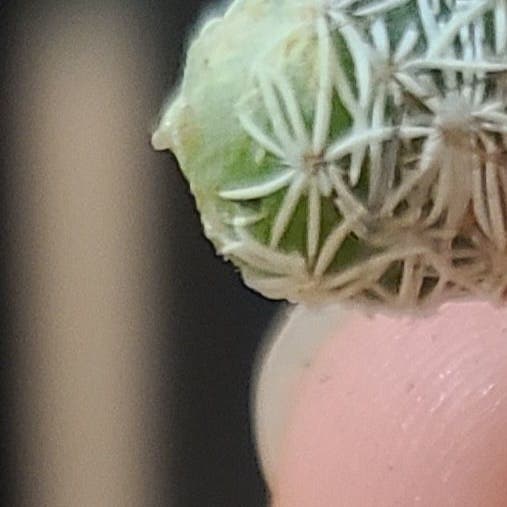
Black Spots on My Coryphantha pallida Leaves
Coryphantha pallida
By the Greg Editorial Team
Apr 13, 2024•4 min read
This article was created with the help of AI so we can cover more plants for you. May contain errors. See one? Report it here.
Rescue your cactus 🌵 from black spot blight with this essential care guide!
- Black spots signal distress in Coryphantha pallida, requiring prompt attention.
- 🍄 Fungal and bacterial causes need specific fungicides or bactericides.
- 🌵 Prevent with environment tweaks and regular sanitation practices.
Spotting the Culprit: Identifying Black Spots
Black spots on your Coryphantha pallida are warning signs; they're the plant's version of a distress signal. These spots can be small, dark, and insidious, often beginning as tiny specks less than ⅛ inch in diameter. Without intervention, they can grow into larger, more troubling blotches.
🕵️ Visual Inspection
Closely examine every leaf, both top and bottom, for these dark invaders. They may appear as circular lesions, sometimes with feathery or concentric ring patterns. These patterns are often accompanied by a yellow halo, indicating a fungal adversary.
🎨 Spot Characteristics
The texture of the spots can vary; they might be raised, sunken, or even slimy. Colors range from jet black to brownish, and the presence of a powdery halo or dark margins can help identify the type of culprit behind the spots.
📍 Location Matters
Pay attention to where the spots are located. Are they on the new growth, or have they taken over the older leaves? This can give clues about the progression of the issue and help in formulating an effective treatment plan.
Unveiling the Causes and Diagnosing Black Spots
🍄 Fungal Foes
Cercospora and Anthracnose are the usual fungal suspects behind the black spots on your Coryphantha pallida. These fungi are like unwanted guests who leave a mess behind. They start off small but can quickly take over, expanding their territory on the leaves.
Moist conditions are a fungal paradise. Overwatering and high humidity roll out the red carpet for these organisms. Poor air circulation? That's like turning up the music for their spore party. Keep things dry and breezy to avoid fungal gatecrashers.
🦠 Bacterial Bullies
When bacteria throw a party on your plant, they don't do it subtly. Spots may appear water-soaked or have a slimy texture, and they're not shy about spreading. These bacterial spots are like a bad cold for your plant, thriving in too much moisture and poor ventilation.
Overwatering and stagnant air are the best friends of bacterial infections. They create the perfect storm for pathogens like Pseudomonas and Acidovorax to wreak havoc. To keep bacterial bullies at bay, regulate moisture and keep the air moving.
The Battle Plan: Treating Black Spots
🛡️ Fungicide to the Rescue
Choosing the right fungicide is like picking your best knight in a game of chess. You want something that will protect your plant without going overboard. For early-stage fungal foes, a protectant fungicide acts as a barrier. If the infection has already gatecrashed, systemic fungicides are your inside agents, tackling the problem from within the plant's system.
To apply, think of yourself as a master painter. Cover every leaf, front and back, with the precision of a fine brushstroke. Overuse is your enemy; it's about being effective, not excessive. And don't forget to rotate your fungicides. It's like changing passwords; you don't want the fungi to crack the code.
🦠 Antibacterial Action
When bacteria are the villains, copper-based bactericides are your superheroes. They're tough on the bad guys but need to be handled with care. Precision in application is crucial—target the infected areas and spare the healthy ones. It's a tactical mission, not a free-for-all.
Application tips? Suit up with gloves, and follow the label like it's a sacred text. Apply during the golden hours of early morning or late evening when conditions are calm. This ensures the treatment is more effective, sticking to the leaves instead of evaporating or running off. And remember, cleanliness is your ally. Sterilize your tools to prevent them from becoming a pathogen's ride-share.
Prevention: Keeping Black Spots at Bay
🌿 Environmental Tweaks
Adjusting your Coryphantha pallida's environment is a proactive defense against black spots. Moderate humidity and ample light are non-negotiable; they're the dynamic duo in this battle. Ensure there's enough breathing space around your plant for air to circulate, but shield it from harsh drafts that could cause more harm than good.
🧼 Cleanliness is Key
Sanitation isn't just for hospitals; it's a cornerstone of plant health too. Sterilize your gardening tools with a bleach solution to cut down on unseen threats. Keep the area around your plant free of debris—think of it as decluttering for plant wellness. Regular inspections are like routine health check-ups; they catch problems before they balloon into catastrophes.
Routine care isn't glamorous, but it's the bedrock of plant health. Water at the base to avoid soggy leaves, a fungal fiesta waiting to happen. Prune with precision, snipping away any affected areas with sterilized shears. It's like a strategic trim that not only enhances your plant's looks but also its chances of staying spot-free.
⚠️ Safety First
This content is for general information and may contain errors, omissions, or outdated details. It is not medical, veterinary advice, or an endorsement of therapeutic claims.
Always consult a qualified healthcare professional before using any plant as food, medicine, or supplement.
Never eat any plant (or feed one to pets) without confirming its identity with at least two trusted sources.
If you suspect poisoning, call Poison Control (800) 222-1222, the Pet Poison Helpline (800) 213-6680, or your local emergency service immediately.
Spotted an error? Please report it here.
Eradicate black spots 🎯 on your Coryphantha pallida with Greg's tailored environment tracking and spot-on care reminders.