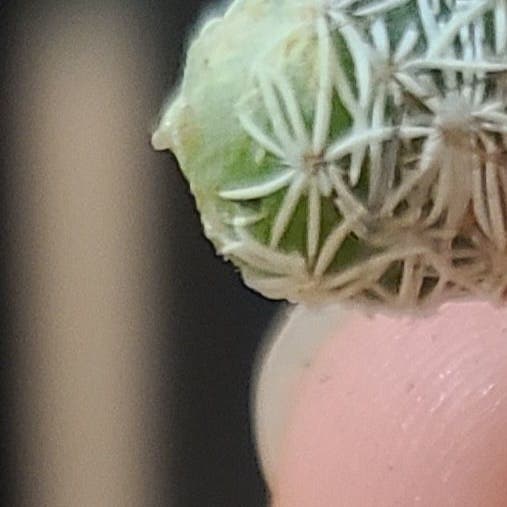
Soil Recommendations for Coryphantha pallida
Coryphantha pallida
By the Greg Editorial Team
Apr 13, 2024•4 min read
This article was created with the help of AI so we can cover more plants for you. May contain errors. See one? Report it here.
Nurture a robust Coryphantha pallida 🌵 by dodging mold and suffocating soil with our expert tips!
- Moldy and waterlogged soil harm Coryphantha pallida's health.
- DIY soil mix: coarse sand, cactus substrate, perlite, peat moss, compost, lime.
- Choose commercial soil with good drainage, perlite, pumice, or coarse sand.
Spotting Trouble: When Soil Goes Bad
🚫 Signs Your Coryphantha pallida is Unhappy with Its Soil
Moldy soil is a no-go for your Coryphantha pallida. If you spot a fuzzy or slimy layer, it's time to act. This isn't just about aesthetics; mold can sap nutrients and signal excessive moisture.
Compacted or waterlogged soil is another red flag. Does the soil feel like a brick? That's compaction for you. And if water sits on top like a lazy dog on a hot day, you've got drainage issues.
The Consequences of Ignoring Soil Health
Ignoring these signs is like turning a blind eye to a ticking time bomb. Unhealthy soil can stunt your cactus's growth and sap its vitality. It's not just about growth; it's about survival.
Fixing the Dirt: Solutions for Unhealthy Soil
🍄 Mold Be Gone: Dealing with Fungal Issues
Mold in your Coryphantha pallida's soil is like a red flag at a bullfight—it demands immediate attention. First step: remove visible mold with a spoon or similar tool. Next, let the soil dry out completely; this is non-negotiable. Overwatering is often the culprit, so reassess your watering habits. Finger test the soil before each watering—if it's damp, skip the H2O.
For persistent mold, it's time to get aggressive. Mix in perlite or pumice to increase aeration. This is like giving your soil a breath of fresh air. If you're still seeing mold, consider a fungicide, but remember, it's a Band-Aid, not a cure. The real fix is creating an environment where mold can't thrive.
🌬️ Let It Breathe: Improving Drainage and Aeration
Compacted or waterlogged soil can suffocate your Coryphantha pallida's roots. Aerate the soil to prevent this; think of it as loosening a tight belt after a big meal. If you're dealing with severe drainage issues, it's time for a soil intervention. Mix in coarse sand or gravel to improve drainage—this is like installing a better plumbing system for your plant.
Ensure your pots have drainage holes; they're as essential as an exit in a fire drill. If you're still seeing water retention, consider a raised bed or an enriched soil mix. Clip dead leaves to boost air circulation around the soil, which is like opening the windows in a stuffy room. Remember, healthy soil is the foundation of a thriving Coryphantha pallida, so don't skimp on these steps.
Crafting the Perfect Home: DIY Soil Mix for Coryphantha pallida
🌵 The Ingredients List
Creating a DIY soil mix for your Coryphantha pallida doesn't have to be a chore. It's about getting the right ingredients that mimic their natural habitat.
- Coarse sand or pumice for impeccable drainage.
- A quality commercial cactus substrate as your base.
- Perlite to keep the soil from getting too clingy.
- Sphagnum peat moss to hold onto just enough water.
- Worm castings or compost for that nutrient hit.
- A sprinkle of lime to keep the pH in the sweet spot.
🎚 Mixing It Right
Now, let's talk ratios. This isn't a cake, so precision isn't your enemy, but balance is key.
- Start with 60% commercial cactus substrate.
- Add in 20% coarse sand or pumice to ensure those roots aren't swimming.
- 15% sphagnum peat moss comes next for moisture without the muck.
- 5% worm castings for a nutrient nudge without overfeeding.
- A dash of lime to keep the pH balanced—think a pinch, not a punch.
Mix these components like you're a DJ blending beats. Every root should get an equal chance to dance in the good stuff. Consistency is your mantra here. No root left behind, no plant left unhappy.
Store-Bought Simplicity: Choosing a Commercial Soil Mix
💧 What to Look for in a Commercial Mix
In the quest for the perfect commercial soil mix for your Coryphantha pallida, prioritize drainage. A mix bogged down with excess moisture is a death sentence for these desert dwellers. Seek out ingredients like perlite, pumice, or coarse sand; these are your aeration champions. Organic matter is a plus, but moderation is key—think supporting actor, not the star of the show. Lightweight mixes often mean better aeration, so give that bag a lift before you buy. And don't ignore the pH level; slightly acidic is the sweet spot for your cactus.
🌵 Top Picks for Coryphantha pallida
When it comes to brands, consistency is your best friend. Hoffman's Organic Cactus and Succulent Soil Mix is a fan favorite, with its well-balanced blend of sphagnum peat moss and perlite. For those seeking a ready-to-use option, a Premium Indoor Plant Soil with coco coir, orchid bark, and perlite offers a well-rounded meal for your cactus. If you're after a tried and true solution, the Cactus Palm Citrus Mix has been put through its paces and emerged victorious. Remember, the right mix is more than convenience—it's a carefully crafted foundation for your cactus's growth.
⚠️ Safety First
This content is for general information and may contain errors, omissions, or outdated details. It is not medical, veterinary advice, or an endorsement of therapeutic claims.
Always consult a qualified healthcare professional before using any plant as food, medicine, or supplement.
Never eat any plant (or feed one to pets) without confirming its identity with at least two trusted sources.
If you suspect poisoning, call Poison Control (800) 222-1222, the Pet Poison Helpline (800) 213-6680, or your local emergency service immediately.
Spotted an error? Please report it here.
Keep your Coryphantha pallida flourishing 🌵 by using Greg's moisture tracking to adapt the soil insights from this guide into your cactus care routine.