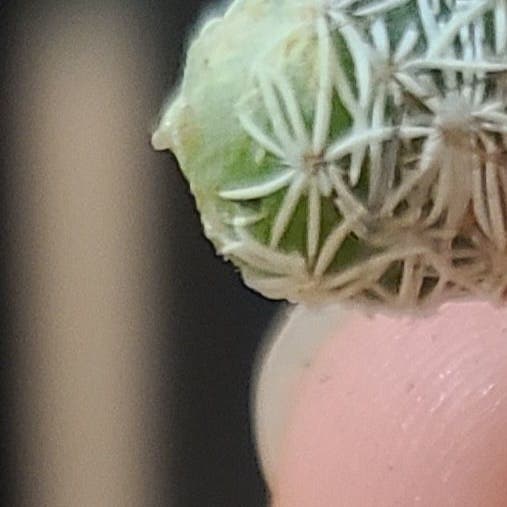
My Coryphantha pallida's Sunlight Needs
Coryphantha pallida
By the Greg Editorial Team
Apr 13, 2024•4 min read
This article was created with the help of AI so we can cover more plants for you. May contain errors. See one? Report it here.
Nurture thriving blooms on your Coryphantha pallida with the right sunlight recipe. 🌵☀️
- 5-6 hours of morning sun is ideal for Coryphantha pallida.
- 🌵 Transition outdoors carefully to avoid cactus shock.
- Consistent light exposure promotes health and flowering.
Soaking Up the Sun: Outdoor Light Love for Coryphantha pallida
🌞 Finding the Sweet Spot: Amount of Direct Sunlight Needed
Coryphantha pallida is a sun worshipper. It thrives with about 5-6 hours of direct sunlight. Too little, and it gets leggy; too much, and it's sunburn city. Morning light is your best bet, giving it the warmth it craves without the harsh afternoon glare.
🌿 Transitioning to the Great Outdoors: Acclimating Your Cactus
When moving your cactus outside, think slow and steady. Start with shaded areas and gradually introduce it to more sun over a few weeks. This prevents the shock factor—no one likes a stressed-out cactus. Keep an eye on the forecast, especially if you're outside USDA Zones 9a-11b. Weather extremes are not your friend here.
🌸 Sun-Kissed Blooms: Sunlight's Role in Flowering Outdoors
Sunlight is like a wake-up call for Coryphantha pallida blooms. But it's not just about quantity; quality matters too. Aim for a mix of red and blue wavelengths to get those flowers going. And remember, midday sun is a spotlight that's too bright—shade during peak hours can prevent a crispy critter situation.
Basking by the Window: Indoor Light Requirements
💡 The Ideal Indoor Spot: Where to Place Your Coryphantha pallida
Finding the right spot for your Coryphantha pallida indoors is like choosing a seat at a concert; you want the best view without the speakers blowing out your eardrums. East or north-facing windows are the VIP sections for your cactus, offering bright but indirect light that won't scorch its skin. If you're south of the equator, flip that advice—south-facing is where it's at.
🛡️ Dodging the Intense Rays: Protecting from Harsh Indoor Sunlight
Even a sun worshipper like Coryphantha pallida has its limits. Glass windows can turn a cozy spot into a desert inferno. Use sheer curtains or blinds to diffuse the light, creating a buffer that keeps your cactus from crying out for sunscreen. Remember, too much sun can lead to a colorless and weak cactus, so keep an eye out for any signs of distress.
🌞 Indoor Blooming: How Light Influences Flowering Inside
Your Coryphantha pallida's blooms are its way of giving you a high-five for awesome light conditions. Bright, indirect light is the secret handshake for flowering. If your cactus is playing hard to get with its flowers, consider moving it to a brighter spot. But don't go overboard; direct sunlight can lead to a bloom boycott. Keep the light consistent and watch for those sun-kissed flowers to make their grand entrance.
Supplementing Sunshine: The Lowdown on Grow Lights
💡 When Natural Light Isn't Enough: Deciding to Use Grow Lights
If your Coryphantha pallida is looking more Goth than glow, it's time to talk grow lights. These artificial sunbeams can be a game-changer when your windowsill is more shadowy nook than sunny alcove. Yellowing leaves or a plant stretching like a yoga instructor are tell-tale signs that your cactus craves more light.
💡 Choosing Your Glow: Types of Grow Lights for Coryphantha pallida
LEDs are the cool kids on the block, offering energy-efficient illumination without turning your space into a sauna. Fluorescents? They're the thrift shop alternative—easier on the wallet but a bit hungrier on the power. Size up your space and plant collection before choosing; a single cactus can get by with a compact bulb, while a desert ensemble might need an LED panel to thrive.
💡 Timing is Everything: Setting Up a Grow Light Schedule
Plants don't binge-watch Netflix; they need their beauty sleep. Set a timer to mimic the natural rise and fall of the sun—typically, a 12-hour cycle hits the sweet spot. If your cactus starts to look like it's pulling an all-nighter, dial back the light. Too much of a good thing, and you'll have a crispy critter on your hands. Keep it consistent, and your Coryphantha pallida will reward you with robust health and maybe even a flower show.
⚠️ Safety First
This content is for general information and may contain errors, omissions, or outdated details. It is not medical, veterinary advice, or an endorsement of therapeutic claims.
Always consult a qualified healthcare professional before using any plant as food, medicine, or supplement.
Never eat any plant (or feed one to pets) without confirming its identity with at least two trusted sources.
If you suspect poisoning, call Poison Control (800) 222-1222, the Pet Poison Helpline (800) 213-6680, or your local emergency service immediately.
Spotted an error? Please report it here.
Nurture your Coryphantha pallida to flourish 🌵 with Greg's PlantVision, ensuring it basks in just the right amount of sunlight for those perfect blooms.