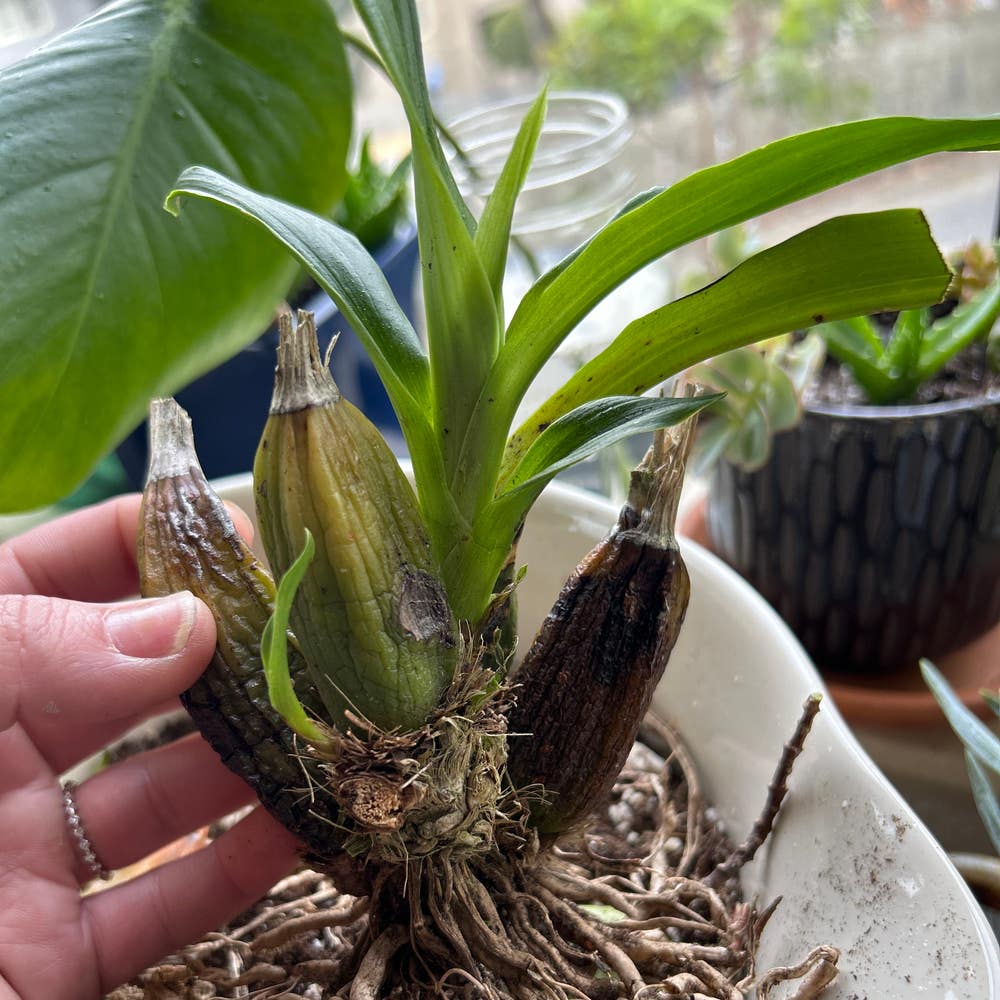
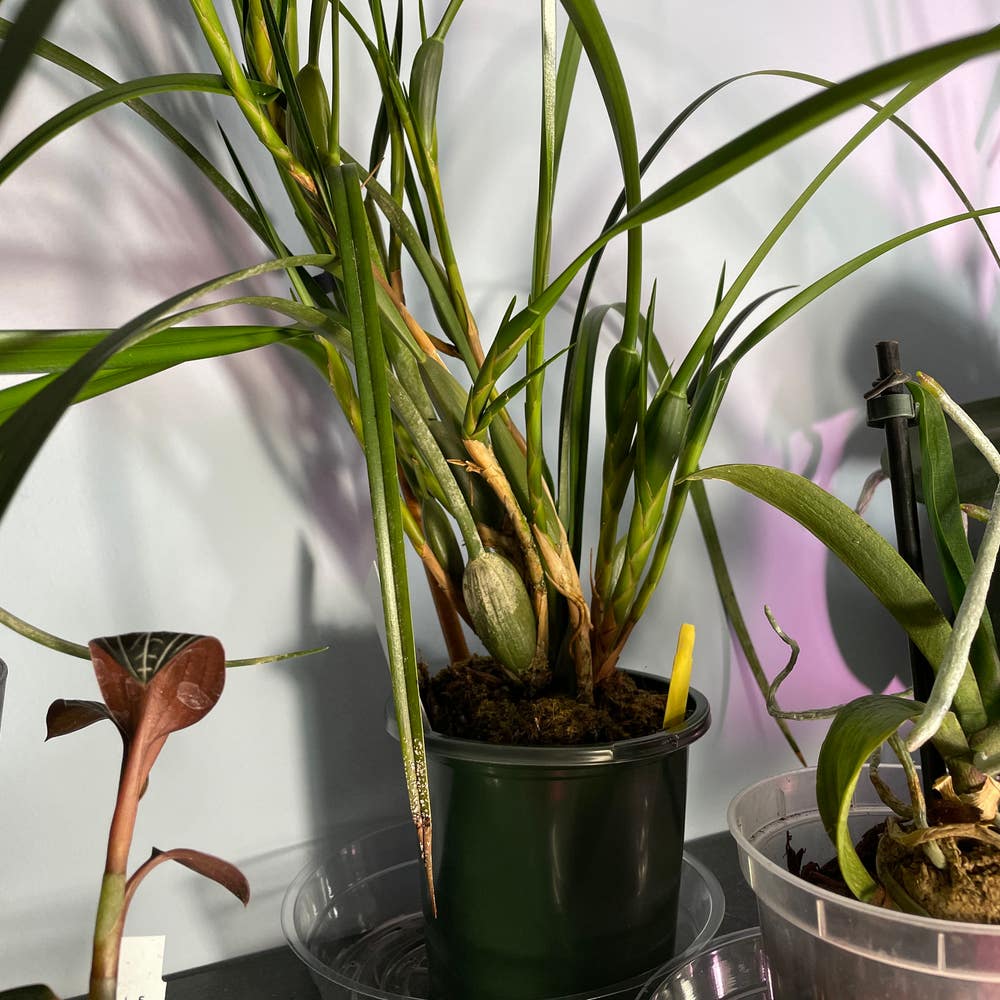
Desert Orchid: When to Plant
Eulophia petersii
By the Greg Editorial Team
Jan 07, 2025•7 min read
This article was created with the help of AI so we can cover more plants for you. May contain errors. See one? Report it here.
Unlock the secret to thriving Desert Orchids by mastering the perfect planting timing! 🌱⏰
- ❄️🌱 Know frost dates to plant Desert Orchid successfully in your region.
- 🌡️ Optimal soil temperature for Desert Orchid is 65°F to 75°F (18°C to 24°C).
- 📅 Planting months vary by state; check local resources for best times.
Timing for Planting Desert Orchid
Importance of Frost Dates 🌨️
Understanding frost dates is crucial for planting Desert Orchid successfully. The two key factors influencing these dates are the last frost in spring and the first frost in fall.
Avoiding frost is essential to protect young plants from damage. Frost can stunt growth or even kill seedlings, so timing your planting is vital.
Determining Frost Dates 🗺️
To find your local frost dates, the USDA Plant Hardiness Zone Map is an invaluable resource. This map provides a clear guide to when you can expect frost in your area.
In general, regions with milder climates may have earlier last frost dates, while colder areas will need to wait longer. Knowing these dates helps you plan effectively for a successful planting season.
Soil Temperature Considerations
Ideal Soil Temperature for Desert Orchid 🌡️
For successful growth, Desert Orchid thrives in an optimal soil temperature range of 65°F to 75°F (18°C to 24°C). This temperature is crucial for seed germination and robust root development, ensuring your plants get off to a strong start.
Maintaining the right soil temperature not only promotes healthy growth but also helps prevent issues like damping-off disease, which can plague young seedlings.
Measuring Soil Temperature 🌍
To accurately gauge soil temperature, using a soil thermometer is your best bet. Insert the thermometer into the soil at a depth of about 2 to 4 inches for the most reliable reading.
Timing is also key when measuring soil temperature. Check the soil in the morning after a warm day to get the most accurate assessment before planting.
With these tips, you can ensure that your Desert Orchid seeds are sown in the perfect conditions for thriving growth.
As you prepare for planting, consider how day length and seasonal changes will also impact your Desert Orchid's success.
Day Length and Planting Timing
🌞 Impact of Day Length on Growth
Photoperiodism is a fascinating phenomenon where plants respond to the length of day and night. For Desert Orchid, the ideal day length is between 12 to 14 hours of light, which significantly influences its flowering and growth cycles.
This specific light exposure helps the plant thrive, ensuring robust growth and vibrant blooms. Understanding this relationship can help you time your planting for optimal results.
⏰ Best Planting Times
Timing your planting in relation to seasonal changes in day length is crucial. As days lengthen in spring, it's the perfect moment to sow your seeds, allowing them to benefit from increasing light.
Light exposure is vital for seedling success. Ensuring your Desert Orchid receives adequate sunlight will promote healthy growth and flowering, setting the stage for a stunning display in your garden.
With this knowledge, you're well-equipped to plan your planting schedule effectively. Next, let's explore regional planting considerations to further refine your timing.
Regional Planting Considerations
Ideal Planting Months 🌱
When it comes to planting Desert Orchid, timing is everything. Here’s a breakdown of the best months to plant in various regions across the United States.
Florida
In Florida, the ideal planting window is from March to April. The warm temperatures during this period create a perfect environment for growth, with minimal frost risk.
California
For California, aim to plant between February and March. The mild winters and early spring warmth provide an excellent start for your Desert Orchid.
Texas
Texas presents a diverse climate, so the best planting months generally fall between March and April. Be mindful of the varied climate zones across the state when planning your planting.
New York
In New York, the window shifts to late May to early June. This timing helps avoid the risk of late frosts and allows for warmer temperatures to support growth.
Colorado
Similar to New York, Colorado's best planting time is also late May to early June. The higher elevation can pose frost risks, so it's crucial to monitor local conditions.
Ohio
For Ohio, the ideal planting months are late April to early May. This period marks the transition from cool to warm weather, making it suitable for Desert Orchid.
Understanding these regional planting considerations will set you up for success. With the right timing, your Desert Orchid can thrive beautifully in your garden. Next, let’s explore seed starting techniques to ensure your plants get the best possible start.
Seed Starting Techniques
Starting Seeds Indoors: Timing and Tips 🌱
Starting seeds indoors is a fantastic way to get a jump on the growing season. Aim to start your Desert Orchid seeds 6-8 weeks before the last frost date in your area.
Creating the right environment is crucial. Ensure your indoor space is warm and well-lit to encourage healthy growth. A sunny windowsill or grow lights can provide the necessary light exposure.
When it comes to containers, choose options that allow for good drainage. Seed trays or biodegradable pots work well, and use a light, well-draining soil mix to promote healthy root development.
Direct Sowing: When and How 🌍
For those who prefer direct sowing, timing is essential. The best time to sow Desert Orchid seeds directly into the garden is after the last frost date, ensuring the soil temperatures are optimal for germination.
Preparation is key for successful direct sowing. Start by loosening the soil and removing any weeds or debris. Follow spacing guidelines to give each plant room to thrive, typically placing seeds about 12-18 inches apart.
With these techniques, you can confidently start your Desert Orchid journey, whether indoors or directly in your garden. Next, let’s explore the comprehensive planting guide tailored for all 52 states!
Comprehensive Planting Guide
🌱 Planting Calendar for All 52 States
When it comes to planting Desert Orchid, timing is everything. Each state has its unique climate and frost dates, which dictate the best times for planting. Here’s a detailed look at when to plant in various regions across the U.S.
Recommended Planting Months by State
| State | Ideal Planting Months | Notes |
|---|---|---|
| Florida | March to April | Warm temperatures and minimal frost risk. |
| California | February to March | Mild winters allow for early spring warmth. |
| Texas | March to April | Varied climate zones; check local conditions. |
| New York | Late May to early June | Watch for late frosts and cooler temps. |
| Colorado | Late May to early June | Higher elevation means potential frost risks. |
| Ohio | Late April to early May | Transitioning from cool to warm weather. |
This table provides a quick reference for the ideal planting months for Desert Orchid in different states.
🌍 Understanding Regional Differences
Each region presents its own challenges and advantages. For instance, Florida's warm climate allows for an earlier start, while northern states like New York must wait until late spring to avoid frost.
Knowing your local climate and frost dates is crucial for successful planting. Always consider checking local gardening resources or extension services for the most accurate information tailored to your area.
💭 Final Thoughts
By aligning your planting schedule with these guidelines, you set your Desert Orchid up for success. With the right timing, you can enjoy a flourishing garden that showcases the beauty of this unique plant.
Next, we’ll explore effective seed starting techniques to ensure your plants thrive from the very beginning.
⚠️ Safety First
This content is for general information and may contain errors, omissions, or outdated details. It is not medical, veterinary advice, or an endorsement of therapeutic claims.
Always consult a qualified healthcare professional before using any plant as food, medicine, or supplement.
Never eat any plant (or feed one to pets) without confirming its identity with at least two trusted sources.
If you suspect poisoning, call Poison Control (800) 222-1222, the Pet Poison Helpline (800) 213-6680, or your local emergency service immediately.
Spotted an error? Please report it here.
Plant your Desert Orchid at the perfect time 🌼 with Greg's tailored reminders and local climate insights to cultivate a thriving garden!