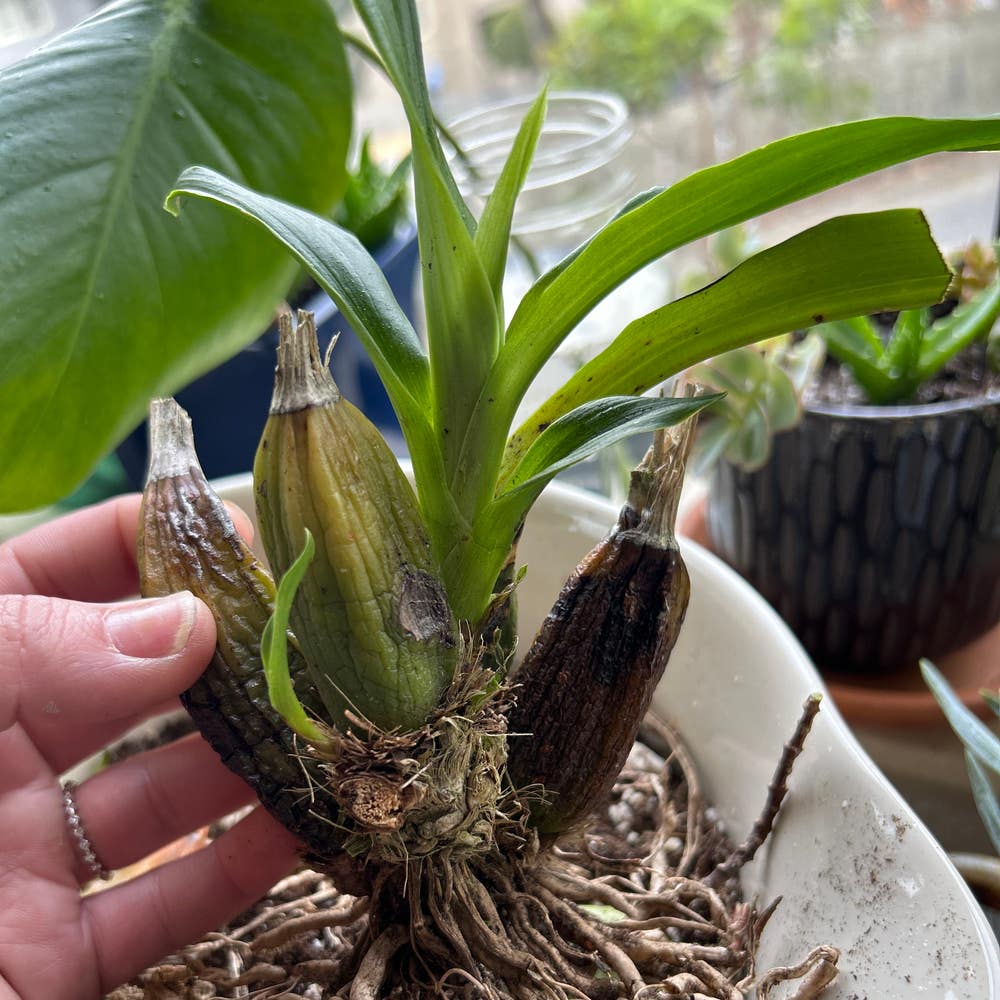
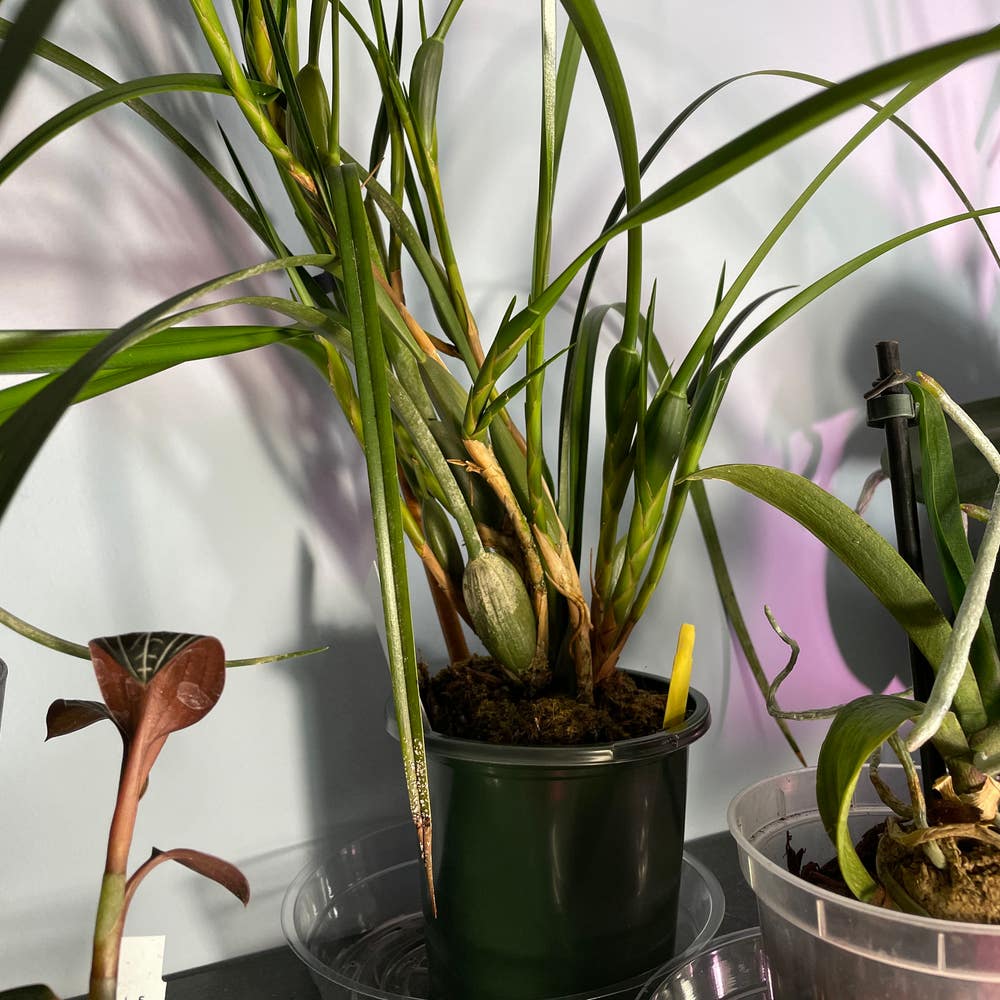
6 Easy Ways to Pollinate Desert Orchid 🌸
Eulophia petersii
By the Greg Editorial Team
Jan 07, 2025•6 min read
This article was created with the help of AI so we can cover more plants for you. May contain errors. See one? Report it here.
Uncover the stunning design of Desert Orchids 🌸 that ensures their survival through captivating pollination strategies!
- 🌼 Desert Orchids attract bees, butterflies, and hummingbirds with vibrant colors and scents.
- 🌱 Cross-pollination boosts genetic diversity, essential for the Desert Orchid's survival.
- 🤲 Hand pollination ensures reproduction success, especially when natural pollinators are scarce.
Flower Structure
Description of Characteristics 🌸
The Desert Orchid boasts a unique flower shape that sets it apart from other plants. Its petals are often intricately designed, creating a structure that not only captivates the eye but also serves a functional purpose in attracting pollinators.
The vibrant colors of these flowers play a crucial role in their appeal. Bright hues can lure various pollinators, ensuring that the plant gets the attention it needs for successful reproduction.
The arrangement of flower parts is equally fascinating. Each flower consists of petals, sepals, stamens, and pistils, all working together harmoniously to facilitate pollination.
Role in Pollination 🐝
The structure of the Desert Orchid is specifically designed to encourage cross-pollination. By attracting a variety of pollinators, these flowers increase their chances of successful reproduction and genetic diversity.
Additionally, some adaptations within the flower may support self-pollination. This feature ensures that even in the absence of pollinators, the plant can still reproduce, showcasing its resilience in challenging environments.
Understanding these characteristics highlights the intricate relationship between flower structure and pollination success. With this knowledge, we can appreciate the beauty and functionality of the Desert Orchid even more.
As we explore the pollination process further, we’ll uncover how these flowers interact with their primary pollinators.
Pollination Process
Cross-Pollination Explanation 🌼
Cross-pollination is crucial for the Desert Orchid's survival. This process not only enhances genetic diversity but also boosts the overall health of the plant, making it more resilient to diseases and environmental changes.
Primary Pollinators 🐝
Bees
Bees are the primary pollinators of the Desert Orchid. Their unique interaction with the flower structure ensures effective pollen transfer, as they navigate the intricate shapes to access nectar.
Butterflies 🦋
Butterflies are attracted to the vibrant colors of the Desert Orchid. Their delicate movements contribute significantly to pollination, as they flit from flower to flower, spreading pollen in the process.
Moths 🌙
Moths play a vital role during nighttime. Their nocturnal habits align perfectly with the Desert Orchid's blooming schedule, ensuring that pollination occurs even after the sun sets.
Hummingbirds 🐦
Hummingbirds are drawn to the sweet nectar of the Desert Orchid. Their rapid feeding habits facilitate pollen transfer, making them essential partners in the pollination process.
Attraction Mechanisms 🌺
Nectar Production
The production of nectar is a key strategy for attracting pollinators. This sweet reward encourages various species to visit, ensuring the flowers receive the attention they need for successful pollination.
Scent and Visual Cues 🌈
Fragrance and color are powerful tools in the Desert Orchid's attraction arsenal. The right combination of scents and vivid hues influences pollinator behavior, drawing them closer to the blooms.
Understanding these elements of the pollination process not only highlights the intricate relationships between plants and their pollinators but also sets the stage for exploring natural pollination methods.
Natural Pollination
🌼 Pollen Transfer Mechanisms
Pollen transfer in Desert Orchids is a fascinating process that relies on both animal movement and environmental factors. Pollinators, such as bees and butterflies, play a crucial role by moving from flower to flower, carrying pollen on their bodies and facilitating fertilization.
Wind can also assist in this transfer, especially when pollinators are scarce. As the breeze rustles through the flowers, it can dislodge pollen grains, allowing them to drift to nearby blooms, further enhancing the chances of successful pollination.
🌱 Importance for Reproduction
Successful pollination is vital for the reproduction of Desert Orchids, leading to seed production and the continuation of the species. Each successful pollination event not only results in seeds but also contributes to the genetic diversity of the population.
Genetic diversity is essential for resilience, enabling plants to adapt to changing environmental conditions. This diversity helps ensure that Desert Orchids can thrive in their unique habitats, making their pollination processes even more critical for their survival.
As we explore the next section, we'll delve into hand pollination techniques that can support these beautiful flowers when natural pollination faces challenges.
Hand Pollination Techniques
Hand pollination can be a rewarding way to ensure the successful reproduction of Desert Orchids. Here’s how to do it effectively.
🌼 Step-by-Step Instructions
Identifying Male and Female Flower Parts
Start by examining the flowers closely. Male flowers have stamens that produce pollen, while female flowers contain the pistils where pollen needs to be transferred.Collecting Pollen from Male Flowers
Gently tap or brush the male flower's stamens to collect pollen. You can use a small brush or your finger to gather the fine yellow powder.Transferring Pollen to Female Flower Parts
Carefully apply the collected pollen to the stigma of the female flower. Make sure to cover it well for the best chance of fertilization.Ensuring Successful Fertilization: Monitoring Tips
After transferring the pollen, keep an eye on the flower. Look for signs of seed development, which indicates successful fertilization.
⏰ Timing for Hand Pollination
The timing of your hand pollination efforts can significantly impact success rates. Early morning or late afternoon are ideal times, as flowers are often more receptive during these cooler parts of the day.
By following these steps and timing your efforts wisely, you can enhance the chances of successful pollination in your Desert Orchids. This not only supports their growth but also contributes to the overall health of the ecosystem.
Next, let’s explore how to create a pollinator-friendly environment to further support these beautiful plants.
Supporting Pollinators
🌼 Creating a Pollinator-Friendly Environment
To support the delicate balance of pollination, start by planting native species. These plants are naturally adapted to your local ecosystem and provide essential food sources for local pollinators.
Additionally, consider adding small water features or shallow dishes filled with water. This simple addition can make a significant difference, offering hydration for thirsty bees, butterflies, and other beneficial insects.
🌱 Suggested Companion Plants
Companion plants can greatly enhance your garden's pollination success. Here are a few that attract beneficial pollinators:
- Lavender: Its fragrant blooms draw in bees and butterflies.
- Echinacea (Coneflower): A favorite among pollinators, it offers nectar-rich flowers.
- Marigolds: These bright flowers not only attract pollinators but also deter pests.
By incorporating these plants, you create a vibrant ecosystem that encourages pollinator visits. This synergy not only boosts pollination rates but also contributes to the overall health of your garden.
With a little effort, you can cultivate a thriving environment that supports these vital creatures, ensuring the success of your Desert Orchids and other plants.
Pollination Challenges
Common Obstacles 🌪️
Pollination can be hindered by various environmental factors. Temperature fluctuations and high humidity levels can negatively impact the activity of pollinators, making them less likely to visit Desert Orchids.
Additionally, a lack of pollinators in the area can significantly reduce pollination success. Urbanization, pesticide use, and habitat loss are common reasons for diminished pollinator populations.
Solutions for Overcoming Challenges 🌱
To improve pollinator presence, consider creating a welcoming environment. Planting native species can attract local pollinators, providing them with food and shelter.
Adjusting care practices can also enhance pollination success. For instance, ensuring that plants receive adequate water and nutrients can make them more appealing to pollinators, ultimately boosting their activity and effectiveness.
By addressing these challenges proactively, you can foster a thriving ecosystem that supports the pollination of Desert Orchids and other plants.
⚠️ Safety First
This content is for general information and may contain errors, omissions, or outdated details. It is not medical, veterinary advice, or an endorsement of therapeutic claims.
Always consult a qualified healthcare professional before using any plant as food, medicine, or supplement.
Never eat any plant (or feed one to pets) without confirming its identity with at least two trusted sources.
If you suspect poisoning, call Poison Control (800) 222-1222, the Pet Poison Helpline (800) 213-6680, or your local emergency service immediately.
Spotted an error? Please report it here.
Ensure your Desert Orchid thrives and blooms beautifully 🌼 by using Greg's tailored care tips and reminders to support its unique pollination needs!