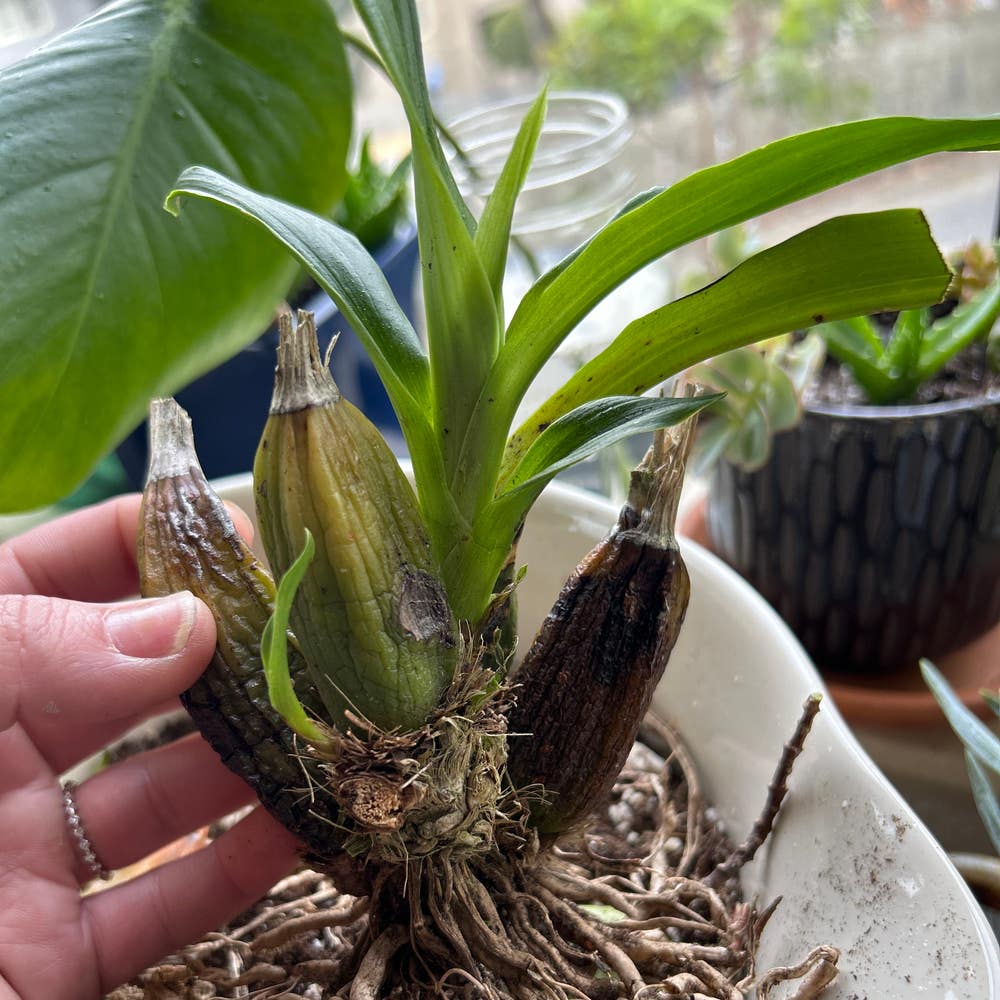
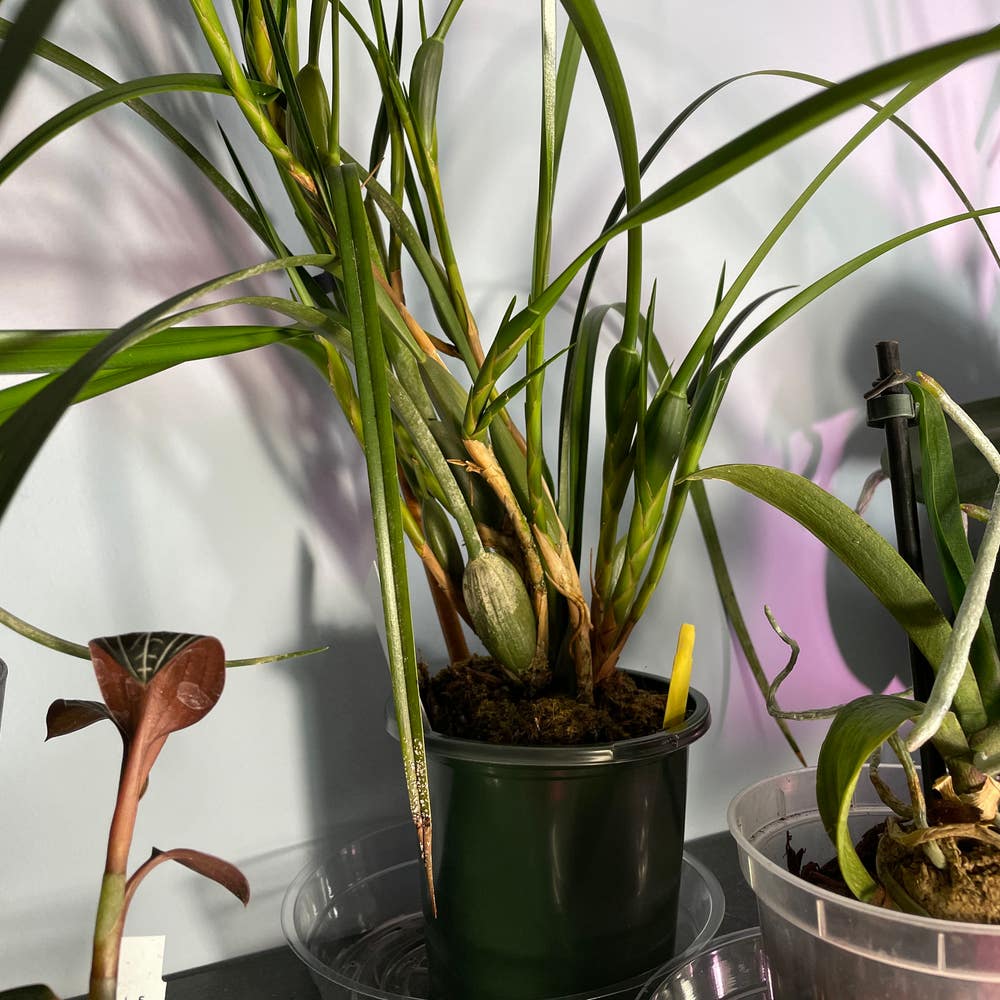
Desert Orchid Wilting: Causes and Solutions 🌵
Eulophia petersii
By the Greg Editorial Team
Jan 07, 2025•6 min read
This article was created with the help of AI so we can cover more plants for you. May contain errors. See one? Report it here.
Transform your wilting Desert Orchid 🌱 into a thriving beauty with essential tips for diagnosing and solving plant stress! 🌿
- 💧 Wilting in Desert Orchids often results from water stress, heat, or disease.
- 🌡️ Heat stress causes scorched edges; relocate to shade for relief.
- 🌱 Monitor soil moisture regularly to prevent underwatering or overwatering issues.
Common Causes of Wilting Leaves
💧 Water Stress
Wilting leaves often signal water stress, which can manifest as drooping foliage and a dry potting medium. This condition can arise from two main issues: underwatering and overwatering.
- Underwatering occurs when the plant isn't watered frequently enough, leading to dry roots that can't absorb moisture.
- Overwatering, on the other hand, results from poor drainage, which can cause root rot and suffocate the roots.
☀️ Heat Stress
Heat stress is another common culprit behind wilting leaves. Symptoms include scorched leaf edges and wilting during the hottest parts of the day.
- This stress typically arises from excessive exposure to direct sunlight, which can overwhelm the plant.
- Additionally, high ambient temperatures without adequate ventilation can exacerbate the problem, leaving the plant struggling to cope.
🦠 Disease-Related Wilting
While wilting can sometimes indicate disease, it's essential to note that pathogenic wilt is relatively uncommon.
Signs of disease-related wilting include yellowing leaves and mushy roots, which suggest a more severe underlying issue.
Understanding these causes can help you take proactive steps to keep your Desert Orchid healthy and thriving.
Diagnosing Wilting
Step-by-Step Guide to Diagnose Wilting 🌱
Diagnosing wilting in your Desert Orchid starts with assessing your watering habits. Check the soil moisture level using a moisture meter or by performing a simple finger test.
Next, evaluate the environmental conditions surrounding your plant. This includes checking temperature and humidity levels, as well as observing light exposure and airflow.
Finally, inspect the plant for any visible symptoms. Look for signs of pests or disease, and examine the roots for health and moisture.
Identifying Symptoms and Environmental Factors 🔍
Correlating symptoms with potential causes is crucial for effective diagnosis.
- Water stress typically presents as dry soil and drooping leaves.
- Heat stress can be identified by scorched leaf edges and wilting during peak heat.
- Disease-related wilting often shows up as yellowing leaves and mushy roots.
By understanding these indicators, you can pinpoint the issue and take appropriate action.
Solutions for Wilting Leaves
🌊 Addressing Water Stress
Wilting leaves often signal water stress, which can stem from either underwatering or overwatering.
For underwatering, the solution is straightforward: water thoroughly until excess drains out. This method ensures that the roots receive the moisture they desperately need.
Conversely, if overwatering is the issue, allow the soil to dry out before the next watering. If root rot is present, consider repotting the plant in well-draining soil to promote recovery.
☀️ Managing Heat Stress
Heat stress can also lead to wilting, especially during peak sunlight hours.
To combat this, relocate the plant to a shadier spot where it can escape the harsh rays of the sun. This simple adjustment can make a world of difference.
Additionally, increasing humidity around the plant can help alleviate heat stress. You can achieve this by using a humidity tray or misting the leaves regularly.
🦠 Solutions for Disease-Related Wilting
If wilting is due to disease, prompt action is essential.
Start by removing any affected parts of the plant to prevent further spread. If necessary, treat the plant with appropriate fungicides to tackle any underlying issues.
Taking these steps can help restore your plant's health and vitality, ensuring it thrives once more.
Preventive Measures
Tips to Minimize Future Wilting Episodes 🌵
To keep your Desert Orchid thriving, regularly monitor the soil moisture. Adjust your watering schedule based on the plant's needs to prevent both underwatering and overwatering.
Proper drainage is crucial. Ensure your pots have adequate holes to avoid waterlogging, which can lead to root rot and further wilting.
Best Practices for Maintaining Optimal Conditions 🌈
Consistency is key when it comes to temperature and humidity levels. Aim to keep your plant in an environment where these factors remain stable to promote healthy growth.
Don’t forget to rotate your plant periodically. This simple practice ensures even light exposure, helping all sides of the plant flourish and reducing the risk of wilting.
By implementing these preventive measures, you can create a nurturing environment that minimizes the chances of wilting and keeps your Desert Orchid looking its best. Next, let’s explore effective techniques for reviving a wilted plant.
Reviving a Wilted Plant
🌊 Techniques for Bottom Watering
Bottom watering is a gentle way to hydrate your plant. Simply fill a tray with water and place the pot in it for about 30 minutes, allowing the plant to absorb moisture from the bottom.
This method encourages deep root growth and helps prevent overwatering, making it a great option for reviving a wilted plant.
🏡 Relocating the Plant Temporarily
Sometimes, a change of scenery can work wonders. Move your plant to a more suitable environment with stable conditions, ensuring it’s away from harsh light or drafts.
Be cautious to avoid sudden changes in light or temperature, as this can stress the plant further.
✂️ Pruning Techniques for Damaged Leaves
If your plant has wilted or damaged leaves, pruning can help it bounce back. Use clean, sharp scissors to remove any wilted or damaged leaves, making cuts at the base of the leaf stem.
This encourages new growth and allows the plant to focus its energy on healthier parts.
By following these techniques, you can effectively revive your wilted plant and restore its vitality. Next, let’s explore when it’s time to seek professional help for persistent issues.
When to Seek Help
🚨 Signs That Professional Assistance is Needed
If your Desert Orchid is still wilting after you've made adjustments to its care, it might be time to seek help. Persistent wilting can indicate deeper issues that need expert attention.
Additionally, keep an eye out for pests or severe disease symptoms. If you notice unusual spots, webbing, or a significant decline in overall health, don’t hesitate to reach out for assistance.
🛠️ Resources for Assistance
Local nurseries are a great first stop for expert advice. The staff can provide tailored recommendations based on your specific plant and conditions.
You can also engage with the plant care community online. Forums and social media groups are filled with enthusiasts who share experiences and solutions, making them a valuable resource for troubleshooting your plant's issues.
By seeking help when needed, you can ensure your Desert Orchid gets the care it deserves and thrives in your home.
⚠️ Safety First
This content is for general information and may contain errors, omissions, or outdated details. It is not medical, veterinary advice, or an endorsement of therapeutic claims.
Always consult a qualified healthcare professional before using any plant as food, medicine, or supplement.
Never eat any plant (or feed one to pets) without confirming its identity with at least two trusted sources.
If you suspect poisoning, call Poison Control (800) 222-1222, the Pet Poison Helpline (800) 213-6680, or your local emergency service immediately.
Spotted an error? Please report it here.
Revive your wilting Desert Orchids with smart care tips 🌵 from Greg, who can provide personalized watering reminders and moisture assessments to keep your plants thriving!