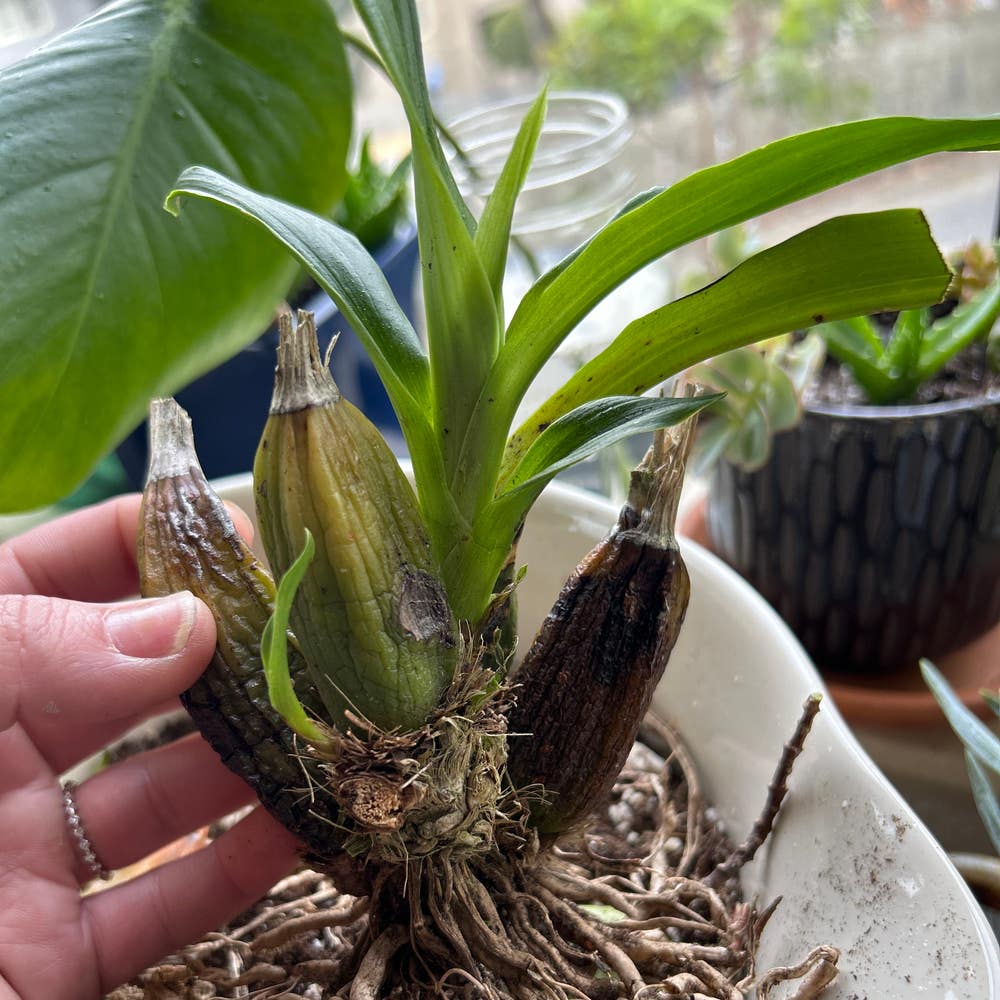
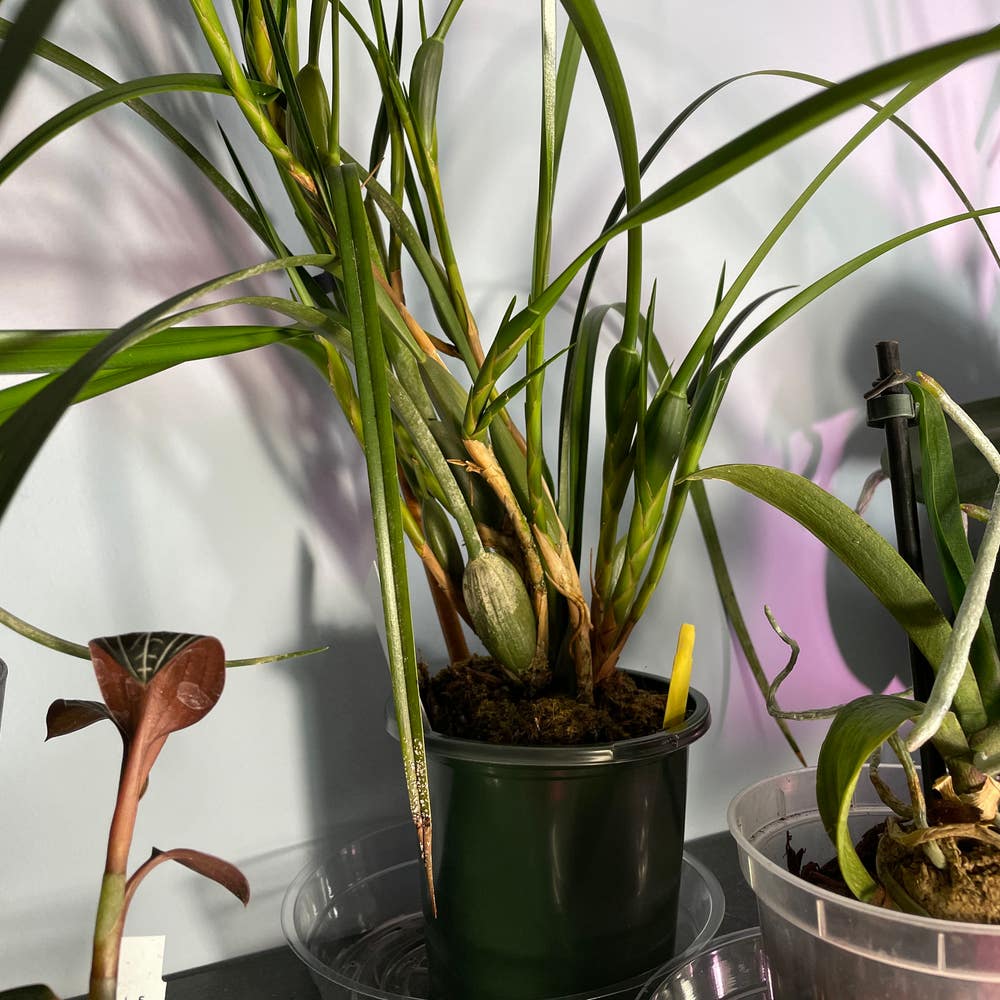
🌸 8 Companions to Boost Your Desert Orchid's Growth
Eulophia petersii
By the Greg Editorial Team
Jan 07, 2025•6 min read
This article was created with the help of AI so we can cover more plants for you. May contain errors. See one? Report it here.
Boost your Desert Orchid's health and beauty 🌼 with these perfect companion plants for a vibrant garden!
- 🌱 Aloe Vera and Lavender repel pests while thriving alongside Desert Orchids.
- 🌼 Marigolds and Sedum enhance beauty and attract beneficial insects for Desert Orchids.
- 🌿 Companion planting reduces pests and boosts growth, ensuring a healthy garden ecosystem.
Best Companion Plants for Desert Orchid
1. Aloe Vera 🌵
Aloe Vera is a succulent known for its thick, fleshy leaves and striking yellow flowers. This plant thrives in well-draining soil and bright light, making it an excellent companion for Desert Orchid.
Aloe Vera not only shares similar care needs but also acts as a natural pest repellent, deterring common nuisances like aphids. Its contrasting textures enhance the overall aesthetic of your garden, creating a visually appealing arrangement.
2. Sedum 🌼
Sedum is a low-growing succulent characterized by its fleshy leaves and vibrant flowers. This hardy plant prefers dry conditions and well-draining soil, aligning perfectly with the needs of Desert Orchid.
In addition to its care compatibility, Sedum attracts beneficial insects that prey on pests, promoting a healthier garden ecosystem. Its colorful blooms add delightful texture and variation to your garden landscape.
3. Lavender 🌸
Lavender is an aromatic herb featuring beautiful purple flowers and silvery foliage. It thrives in bright light and well-drained soil, making it another fantastic companion for Desert Orchid.
This herb is a natural repellent for pests like whiteflies, helping to keep your orchid safe. Plus, its fragrant blooms provide a colorful and aromatic backdrop that enhances the overall garden experience.
4. Marigold 🌼
Marigolds are known for their bright, cheerful flowers and impressive pest-repelling qualities. They thrive in full sun and well-drained soil, making them a great match for Desert Orchid.
These vibrant flowers effectively combat nematodes and aphids, protecting your orchid from potential harm. Their lively colors beautifully complement the delicate blooms of Desert Orchid, creating a stunning visual display.
5. Rosemary 🌿
Rosemary is a woody herb with needle-like leaves and lovely blue flowers. It prefers dry conditions and bright light, aligning well with the care requirements of Desert Orchid.
This herb not only deters pests like spider mites but also adds a unique shape and texture to your garden. Its aromatic presence enhances the sensory experience of your outdoor space.
6. Cacti 🌵
Cacti are a diverse group of plants known for their unique shapes and spines. They thrive in arid conditions and well-draining soil, making them compatible companions for Desert Orchid.
With minimal pest issues due to their tough exterior, cacti contribute to a low-maintenance garden. Their architectural interest adds depth and character to your garden design.
7. Thyme 🌱
Thyme is a low-growing herb with small leaves and delicate purple flowers. It thrives in well-drained soil and full sun, making it a suitable partner for Desert Orchid.
This herb attracts beneficial insects that help control pests, promoting a balanced garden ecosystem. As a ground cover, thyme enhances the garden's texture, creating a lush and inviting environment.
8. Echeveria 🌺
Echeveria is a rosette-forming succulent known for its colorful leaves. It requires bright light and well-draining soil, making it an ideal companion for Desert Orchid.
Echeveria is resistant to common pests, providing an extra layer of protection for your orchid. Its vibrant colors and unique shapes add visual interest, enriching the overall garden aesthetic.
These companion plants not only support the growth of your Desert Orchid but also create a vibrant and diverse garden. By carefully selecting compatible plants, you can enhance both the health and beauty of your outdoor space. Next, let’s explore which plants to avoid near your Desert Orchid to ensure its thriving growth.
Plants to Avoid Near Desert Orchid
🚫 List of Incompatible Plants
When planning your garden, it's crucial to steer clear of certain plants that can hinder the growth of your Desert Orchid.
- Heavy-water requiring plants: This includes ferns and certain tropical plants that thrive on moisture.
- Plants that attract pests: Be cautious with flowering plants like zinnias, as they can draw unwanted insects.
❓ Explanation of Incompatibility
Understanding why these plants are incompatible is key to maintaining a healthy garden.
Overwatering is a significant concern for Desert Orchids; they thrive in dry conditions, and excess moisture can lead to root rot.
Additionally, some plants may attract pests that pose a threat to your orchid's health. Keeping these incompatible plants at bay will help ensure your Desert Orchid flourishes without the stress of competition or pest issues.
By choosing the right companions and avoiding those that don't mesh well, you can create a thriving environment for your Desert Orchid. Next, let’s explore how companion planting can enhance pest management in your garden.
Pest Management through Companion Planting
🌱 How Companion Plants Can Help with Pest Control
Companion planting is a fantastic strategy for managing pests naturally. By incorporating plants that deter unwanted insects, you can significantly reduce the need for chemical interventions.
Creating a balanced ecosystem is key. When you plant companions that attract beneficial insects, you foster a thriving environment that supports natural pest control.
🌼 Examples of Pest-Repelling Companions for Desert Orchid
Two standout companions for Desert Orchid are lavender and marigold. Lavender not only adds a delightful fragrance but also repels pests like whiteflies, making it a perfect partner.
Marigolds are another excellent choice. Their vibrant blooms are known for deterring nematodes and aphids, keeping your Desert Orchid safe and healthy.
By strategically selecting companion plants, you can enhance your garden's health and beauty while minimizing pest problems. This approach not only benefits your plants but also creates a more sustainable gardening practice.
Enhancing Visual Appeal with Companion Plants
Suggestions for Companion Plants that Enhance the Aesthetic of Desert Orchid 🌼
Creating a visually stunning garden involves thoughtful pairings. Bright marigolds can beautifully complement the delicate flowers of the Desert Orchid, adding a pop of color that draws the eye.
In addition to color, consider texture. Succulents like Echeveria provide a striking contrast to the orchid's growth form, enriching the overall garden design.
Color and Texture Combinations that Work Well Together 🎨
When it comes to color, warm hues like reds and oranges from marigolds harmonize wonderfully with the cool tones of Desert Orchid flowers. This combination not only enhances visual appeal but also creates a vibrant atmosphere.
Incorporating varied leaf shapes and sizes adds depth and interest to your garden layout. This diversity can transform a simple space into a captivating landscape that invites exploration.
By thoughtfully selecting companion plants, you can elevate the beauty of your Desert Orchid while fostering a thriving garden environment. Next, let’s explore how to create a diverse garden that supports resilience and health.
Creating a Diverse Garden with Desert Orchid
🌱 Importance of biodiversity in the garden
Biodiversity is crucial for a thriving garden. It promotes resilience against pests and diseases by creating a varied plant community that can withstand challenges.
A diverse garden also supports a wider range of beneficial insects and pollinators. These allies play a vital role in maintaining the health of your plants, including your Desert Orchid.
🌼 How to incorporate companion planting for a thriving ecosystem
To create a flourishing ecosystem, start by planning your garden layout. Include a mix of compatible plants that can thrive together, enhancing each other's growth.
Rotating companion plants is another effective strategy. This practice maintains soil health and diversity, ensuring your garden remains vibrant and productive over time.
⚠️ Safety First
This content is for general information and may contain errors, omissions, or outdated details. It is not medical, veterinary advice, or an endorsement of therapeutic claims.
Always consult a qualified healthcare professional before using any plant as food, medicine, or supplement.
Never eat any plant (or feed one to pets) without confirming its identity with at least two trusted sources.
If you suspect poisoning, call Poison Control (800) 222-1222, the Pet Poison Helpline (800) 213-6680, or your local emergency service immediately.
Spotted an error? Please report it here.
Enhance your Desert Orchid's growth with thoughtful companions like Aloe Vera and Lavender, and let Greg guide you with personalized care tips to ensure your garden thrives together! 🌱